
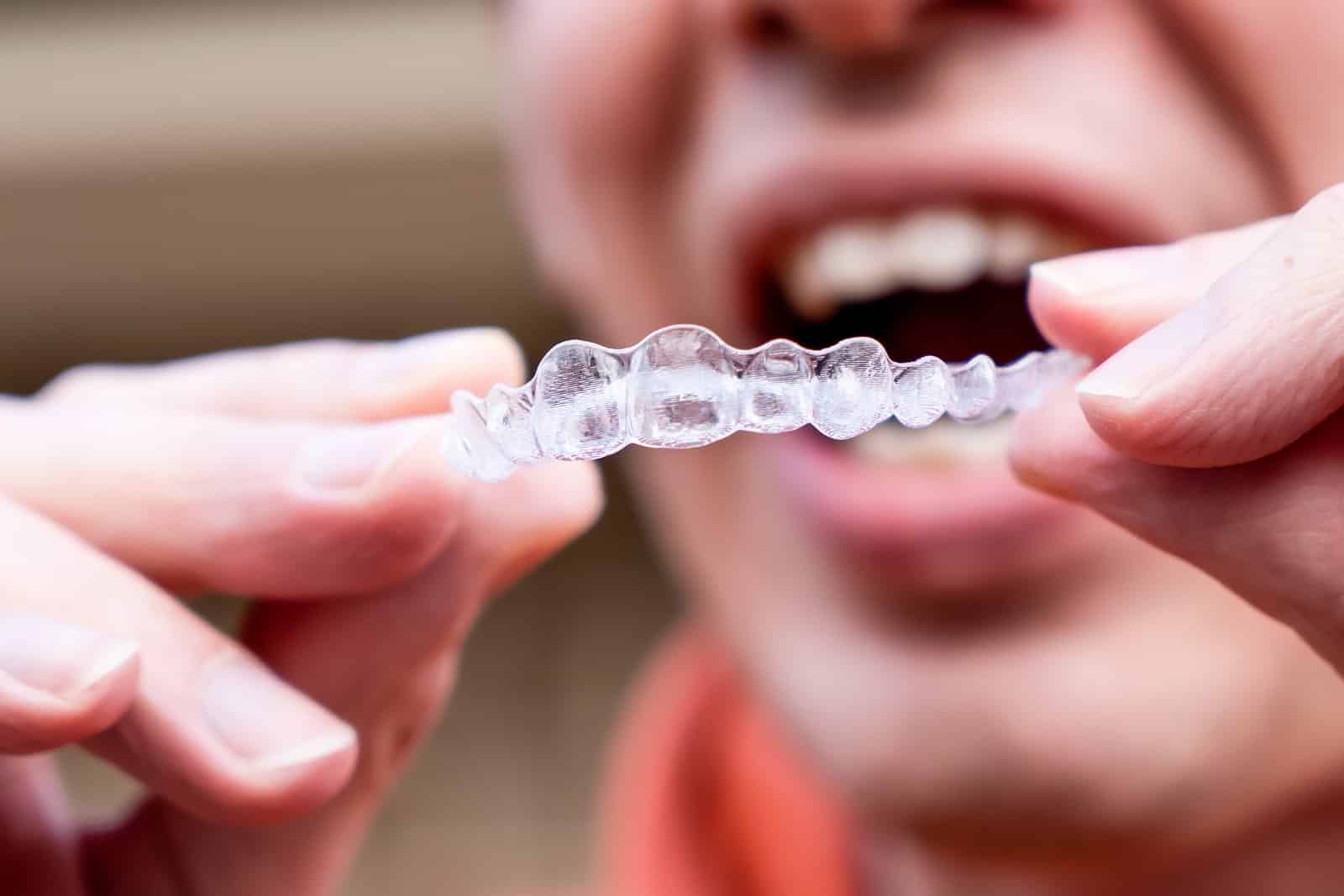
Can teens play sports with Invisalign? Yes, and for many athletic teenagers it is the easier appliance to play with. There are no brackets to cut a lip on impact, and for contact sports, the aligners come out, and a proper mouthguard goes in. The catch is the hours: Invisalign only works while it is being worn, and a teenager with practice every afternoon and games on Saturday can lose enough wear time to stall treatment if nobody plans for it. This guide from Smiles By Design Orthodontics, which sees Pascagoula families at its D’Iberville office, explains how to fit Invisalign around a sports schedule.
Key Takeaways
- Invisalign is compatible with every sport. For non-contact sports, the aligners stay in; for contact sports, they come out, and a mouthguard goes in.
- Aligners are not mouthguards. They are too thin to absorb a hit and will crack.
- Wear time is the issue, not injury. Plan for twenty to twenty-two hours a day around practice and games.
- Invisalign Teen includes wear indicators and replacement aligners, both useful for athletes.
- A cracked or lost aligner is not an emergency; move to the next set or back to the last one and call the office.
Why Invisalign suits athletes
Braces and contact sports have a known problem: a blow to the mouth drives the lip and cheek into the brackets, and a cut inside the lip is the usual result even with a mouthguard. Aligners have no edges, so a teenager wearing Invisalign during a non-contact sport, or with the aligners out during a contact one, has nothing in the mouth to cut against. The American Association of Orthodontists describes how aligners work, and the practice’s Invisalign page covers the service. Aligners also do not restrict eating, so the pre-game meal and the post-practice snack need no special rules beyond taking the trays out and putting them back.
Can teens play sports with Invisalign? Sport by sport
| Sport | Aligners in or out? | Mouthguard? | Notes |
|---|---|---|---|
| Football, lacrosse, hockey, wrestling, boxing, martial arts | Out | Yes, always | A boil-and-bite or custom guard fits over natural teeth; aligners go in the case |
| Basketball, soccer, baseball, softball | Usually in; out if a guard is required | Recommended; the ADA lists these among sports with mouth injury risk | Many players keep aligners in for soccer and baseball; a guard over aligners is not advised |
| Volleyball, tennis, track, cross country, golf | In | Not usually | No change to routine |
| Swimming | In | No | Aligners are fine in the pool; rinse afterward |
| Cheer, gymnastics, dance | In, or out for stunting if the coach requires a guard | Sometimes | Check the team rule |
| Cycling, skateboarding, BMX | Out | Yes | Falls to the face are common; treat as a contact sport |
The American Dental Association recommends a mouthguard for any sport with a risk of a blow to the face, and notes that a custom guard from a dentist or orthodontist fits best. Aligners are not a substitute; they are thin plastic designed to move teeth, not to absorb impact, and a hit will crack them.
Managing wear time
Invisalign is designed for twenty to twenty-two hours of wear a day. A two-hour practice with the aligners out, plus meals, uses most of the daily allowance, and a Saturday with two games can blow through it. The fix is planning rather than worry. Aligners go in the case at the start of practice and back in when it ends, before the ride home. Meals are kept efficient on training days. Aligners are worn during warm-ups and drills where no contact happens, and only come out for the contact portion. And on heavy days, the teenager wears them every remaining hour, including sleep, which is the largest block of wear time in any day.
Invisalign Teen, which the practice provides, has two features made for this. Blue wear indicators on each aligner fade with use, so Dr. Rahaim and parents can see at a glance whether the hours are being met. And the plan includes a set number of free replacement aligners, because athletes lose and crack more trays than other patients. The Cleveland Clinic compares aligners with braces on daily demands, and the practice’s guide to Invisalign versus braces covers the same ground for parents.
A sample game day
Here is how a Saturday with a morning game and an afternoon practice can work. Aligners in on waking and through breakfast cleanup, out at the field for warm-ups only if the coach requires the guard from the start; otherwise in until contact drills begin. Out and into the case for the game, mouthguard in. Back in immediately after the final whistle, before the team talks. Out for lunch, in after brushing or at least rinsing. Same pattern for afternoon practice. In for dinner cleanup and every hour of the evening and night. Counted up, that day still delivers roughly twenty hours of wear, which is enough. What breaks the plan is the aligner left in the bag for the ride home and the movie afterward, and a teenager who understands that the hours matter usually manages it once the routine is set.
Cracked, lost, or forgotten aligners
Both happen to athletes. A cracked aligner that still fits can be worn until the next change; one that is split through should be swapped for the next set if it is within a few days of the change date, or the previous set if not, and the office called for a replacement. A lost aligner is handled the same way. The mistake to avoid is going without: teeth drift within a day or two, and the next tray then does not fit. Keep the previous set in the sports bag as a backup, keep the case in the bag at all times, and never wrap an aligner in a napkin at the team meal, which is how most of them end up in the trash. Call (228) 400-2100 for the D’Iberville office; the new patients page explains the practice’s approach to replacements.
Keeping aligners and teeth clean around sports
Sports drinks and aligners are a bad combination. Sugar and acid trapped between a tray and the teeth sit against the enamel for hours, and the aligner stains. Water is the only drink to take with aligners in; anything else means trays out, drink, rinse, trays back in. After practice, rinse the aligners under cool water before putting them back, brush the teeth when possible, and clean the trays properly every night. Rinse a mouthguard after every use and store it dry. MedlinePlus has general guidance on caring for teeth during orthodontic treatment that applies equally to athletes.
Smiles By Design Orthodontics
Smiles By Design Orthodontics provides Invisalign, Invisalign Teen, braces, and early treatment for children, teens, and adults from offices in D’Iberville, at 3149 Mallett Rd, (228) 400-2100, and Bay St. Louis, at 101 Reese St., (228) 467-2211. Dr. Austin Rahaim is a board-certified orthodontist who trained at Nova Southeastern University and the University of Tennessee. The practice serves Pascagoula, Gulfport, Biloxi, Ocean Springs, and Picayune; the Pascagoula area page has directions to D’Iberville. Consultations are free; schedule online.
Frequently asked questions
Can teens play sports with Invisalign?
Yes. Aligners stay in for non-contact sports and come out for contact sports, replaced by a mouthguard.
Can my teen wear a mouthguard over Invisalign?
It is not recommended. Aligners are thin, and a guard over them fits poorly and can crack them. Take the aligners out and wear the guard over the teeth.
Do aligners protect teeth like a mouthguard?
No. They are designed to move teeth, not absorb impact.
How much wear time will sports cost?
A two-hour contact practice plus meals uses most of the daily allowance. Wearing aligners during warm-ups, at all other times, and through sleep keeps the total at twenty to twenty-two hours.
What if an aligner cracks during a game?
Wear it if it still fits, or move to the next or previous set, and call the office for a replacement. Do not go without.
Is Invisalign or braces better for a teen athlete?
For contact sports, Invisalign avoids the lip injuries brackets cause, provided the teen keeps up the wear time. For a teen who will not manage the hours, braces with a mouthguard are the safer bet.
Can my teen drink sports drinks with aligners in?
No. Water only. Sugary or acidic drinks trapped under a tray damage enamel and stain the aligner.
Does Invisalign Teen include replacement aligners?
Yes, a set number are included, which suits athletes who lose or crack trays.
Can my teen swim with Invisalign?
Yes. Rinse the aligners afterward.
Is there a Smiles By Design office in Pascagoula?
No. Pascagoula families are seen at the D’Iberville office at 3149 Mallett Road; Bay St. Louis is the other location.
Have a teen athlete who wants Invisalign? Book a free consultation with Dr. Austin Rahaim at Smiles By Design Orthodontics. Pascagoula families use the D’Iberville office, 3149 Mallett Rd, (228) 400-2100. Schedule online.