
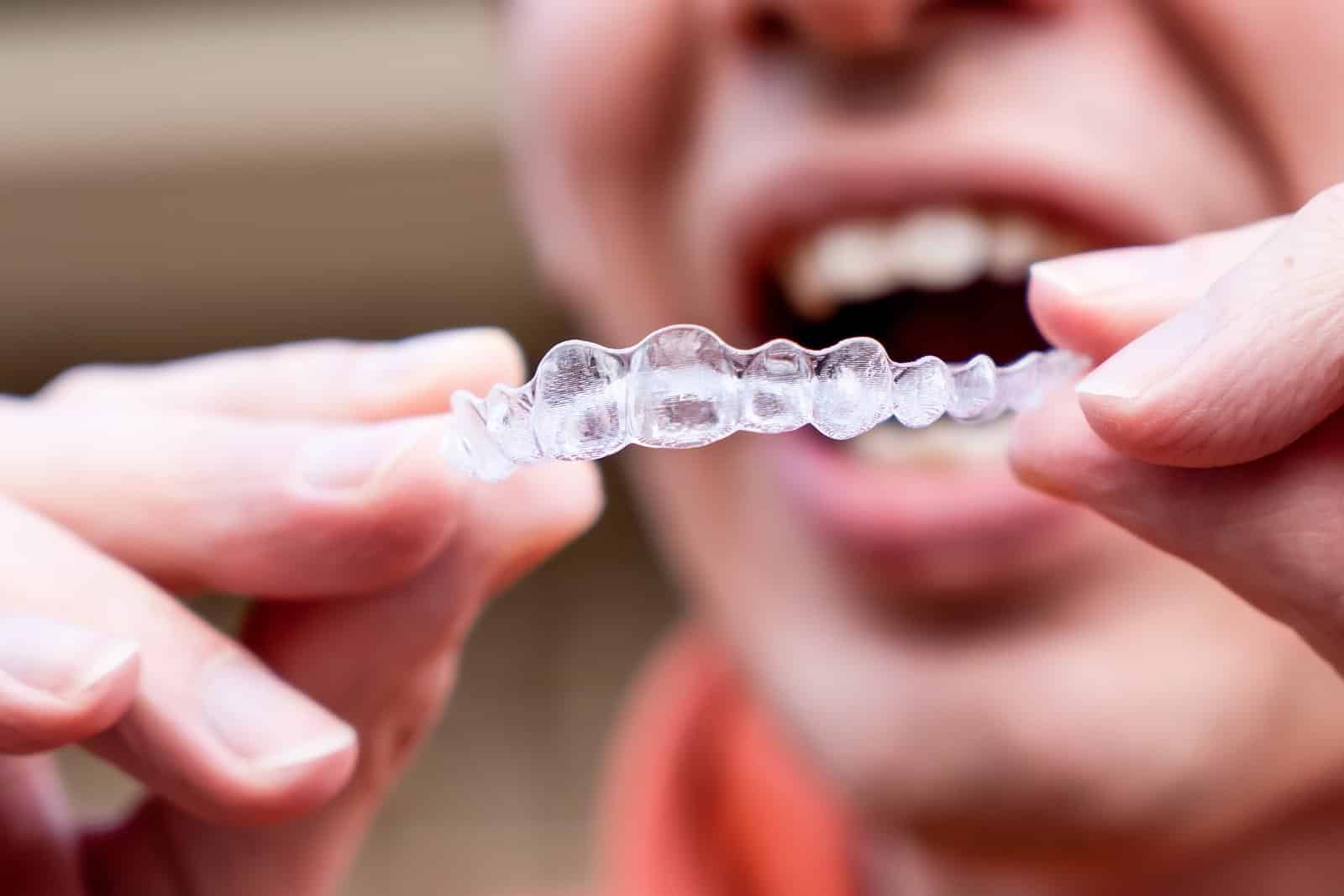
For decades, a palatal expander meant one thing: a metal frame cemented to a child’s upper back teeth, with a small key a parent turned every night. It works, and it is still the standard. Since 2023, there has been a second option, the Invisalign Palatal Expander System, a series of removable 3D-printed appliances that widen the upper jaw in stages the way aligners move teeth. Parents on the Gulf Coast weighing the Invisalign palatal expander vs traditional expander now have a real choice, and this guide from Smiles By Design Orthodontics, which sees Gulfport families at its D’Iberville office, sets out what to consider.
Key Takeaways
- Both appliances do the same job: widening a narrow upper jaw while the growth seam in the palate is still open, usually between about six and twelve.
- The metal expander is fixed, works whether or not the child cooperates, and has the longest track record.
- The Invisalign Palatal Expander is removable, has no key to turn, is easier to clean around, and depends on the child wearing it as instructed.
- Both are followed by a holding phase and, usually, braces or aligners once the adult teeth are in.
- The right choice depends on the child, the amount of expansion needed, and the family’s confidence in daily wear.
Why children need expanders
The upper jaw is two halves joined at a seam down the middle of the palate. In a child, that seam is open, and gentle outward pressure separates it slightly so new bone fills the gap, and the jaw ends up wider. Orthodontists use this to correct a crossbite, where the upper back teeth sit inside the lower ones, to make room for crowded adult teeth, and sometimes to improve nasal breathing. The seam fuses in the early to mid teens, after which expansion needs surgery, which is why the American Association of Orthodontists recommends a first orthodontic check by seven. The Cleveland Clinic describes crossbite and crowding among the bite problems expanders address, and MedlinePlus has a general overview of orthodontic treatment for children.
Invisalign palatal expander vs traditional expander: the two appliances compared
| Metal (traditional) expander | Invisalign Palatal Expander System | |
|---|---|---|
| How it is fitted | Cemented to the upper back teeth; stays in for the whole phase | A series of removable 3D-printed expanders, each slightly wider than the last |
| How expansion happens | A parent turns a key in the center screw, usually once a day | The child changes to the next expander on a schedule set by the orthodontist |
| Removable? | No | Yes, for eating and brushing; otherwise worn as instructed |
| Depends on the child? | No; it works regardless | Yes; wear time drives the result |
| Cleaning | Food traps around the frame; needs careful brushing and a water flosser | Removed to brush and to clean the appliance itself |
| Comfort | Pressure after each turn; bulk under the tongue; speech and swallowing adjust in days | Pressure with each new expander; less bulk; can be taken out briefly if needed |
| Track record | Decades of use | FDA cleared in 2023; clinical studies show comparable effectiveness |
| Visits | Adjustment checks, then the appliance stays in place to hold the result | Checks to confirm fit and progress; a holding appliance afterward |
| Cost | Typically included in a Phase 1 fee | Typically included in a Phase 1 fee; ask what is covered |
Invisalign describes its appliance on its Palatal Expander page; it is the first removable palatal expander cleared by the FDA and is made from the same scan the practice uses to plan aligners.
What parents should weigh
Will the child wear it? This is the whole question for the removable option. A fixed expander cannot be forgotten in a lunchbox or left out overnight; a removable one can. A child who already manages a retainer, a mouthguard or glasses responsibly is a good candidate. A child who loses things, or who is anxious about anything in the mouth, may do better with the fixed appliance where there is nothing to decide each day.
How much expansion is needed? Large corrections and some skeletal crossbites are where the fixed expander’s long track record counts, and Dr. Rahaim will say at the consultation whether a case suits the removable system.
Cleaning and comfort. Fixed expanders trap food and are the appliance parents most often mention when they talk about hygiene struggles. A removable expander comes out to brush and is cleaned like an aligner. Children with a strong gag reflex often tolerate the slimmer removable design better.
The key. Some parents dislike turning the key on a metal expander, and some children dread it. The removable system replaces the key with a change of appliance. Others find the nightly turn a simple routine and a clear sign that treatment is progressing.
Speech and eating. Both appliances affect speech for a few days. The fixed expander sits in the palate permanently during the phase, so the adjustment is once; the removable one is out for meals, which some families prefer, and some find makes the readjustment repeat.
What comes next. Either way, the widened jaw needs holding for several months while new bone matures, and most children go on to braces or Invisalign once their adult teeth are in. The practice’s guide to Invisalign versus braces covers that later decision, and the orthodontics treatments page lists what is offered.
What the first weeks look like
With a metal expander, the appliance is cemented at one visit and the parent begins turning the key that evening, usually one turn a day for a few weeks. A gap often opens between the two front teeth within the first week or two; it is the visible sign the seam is separating and it closes on its own as the teeth drift together and later treatment aligns them. With the Invisalign expander, the child wears the first appliance for a set period, then moves to the next; there is no gap surprise for parents to explain, though the same widening is happening. In both cases, the first days bring extra saliva, a lisp, and a feeling of fullness in the palate that resolve as the mouth adapts, and the life with braces page’s advice on soft foods applies.
How the decision is made at Smiles By Design
The first visit is a free consultation with an examination, photographs and a digital scan. Dr. Rahaim, a board-certified orthodontist who trained at the University of Tennessee, looks at the width of the upper jaw, whether there is a crossbite, how the adult teeth are coming in, and the child’s age and temperament, and explains which expander he recommends and why. That conversation is where the Invisalign palatal expander vs traditional expander question gets a specific answer for your child. Families from Gulfport are seen at the D’Iberville office at 3149 Mallett Road; the Gulfport area page has directions. Both appliances are followed by monitoring and, later, a second phase, and both phases are quoted in writing so parents see the whole plan. The AAO’s aligner overview is a useful independent reference for the later stage.
Smiles By Design Orthodontics
Smiles By Design Orthodontics provides early treatment, braces, Invisalign, and clear aligners for children, teens, and adults from offices in D’Iberville, at 3149 Mallett Rd, (228) 400-2100, and Bay St. Louis, at 101 Reese St., (228) 467-2211. The practice serves Gulfport, Biloxi, Ocean Springs, Pascagoula, and Picayune. Consultations are free; schedule online or see the about page for Dr. Rahaim’s background.
Frequently asked questions
What is the Invisalign Palatal Expander?
A series of removable, 3D-printed expanders, each slightly wider than the last, that widen a growing child’s upper jaw in stages. It was cleared by the FDA in 2023 as an alternative to a fixed metal expander.
Is the Invisalign expander as effective as a metal expander?
For suitable cases, studies submitted for its clearance found comparable expansion. A fixed expander remains the choice for some larger or more complex corrections.
At what age can a child have an expander?
Usually between about six and twelve, while the seam in the palate is still open. After the mid-teens, expansion generally needs surgery.
Does a palatal expander hurt?
Both types cause pressure for a day or so after each turn or each new appliance, and a feeling of bulk that fades within a week. Neither is painful in the way people fear.
Do I still have to turn a key with the Invisalign expander?
No. Expansion happens by changing to the next appliance on the schedule the orthodontist sets.
What if my child does not wear the removable expander?
Expansion stalls, and the next appliance stops fitting. For a child who will not wear it reliably, a fixed expander is the better choice.
How long does expansion take?
Active expansion usually takes a few weeks to a few months, followed by a holding period of several months while the new bone matures.
Will my child still need braces afterward?
Usually, once the adult teeth are in. Expansion makes that second phase shorter and often avoids extractions.
Can teenagers get the Invisalign expander?
Sometimes, in the early teens while the seam is still open. Dr. Rahaim will say whether a teenager is still a candidate.
Is there a Smiles By Design office in Gulfport?
No. Gulfport families are seen at the D’Iberville office at 3149 Mallett Road, about fifteen minutes east along I-10; Bay St. Louis is the other location.
Has your child been told they need an expander? Book a free consultation with Dr. Austin Rahaim at Smiles By Design Orthodontics. Gulfport families use the D’Iberville office, 3149 Mallett Rd, (228) 400-2100. Schedule online.