
Many parents don’t realize that children’s orthodontics begins much earlier than the teen years and even earlier than when most kids lose all their baby teeth. In fact, the American Association of Orthodontists recommends that children visit an orthodontist for kids by age seven, a stage when jaw growth, tooth development, and early bite problems begin to reveal themselves. Early evaluation doesn’t always mean immediate treatment, but it does give parents clarity about what’s happening beneath the surface and whether children’s braces or other guidance techniques might be needed later.
This early window allows orthodontists to spot subtle issues, prevent complications, and create a plan that supports natural growth rather than correcting problems after they’ve already become severe. In this blog, we’ll explore the science behind evaluating growing smiles, why ages 7–12 are critical, and how early assessments can lead to healthier, more confident outcomes.
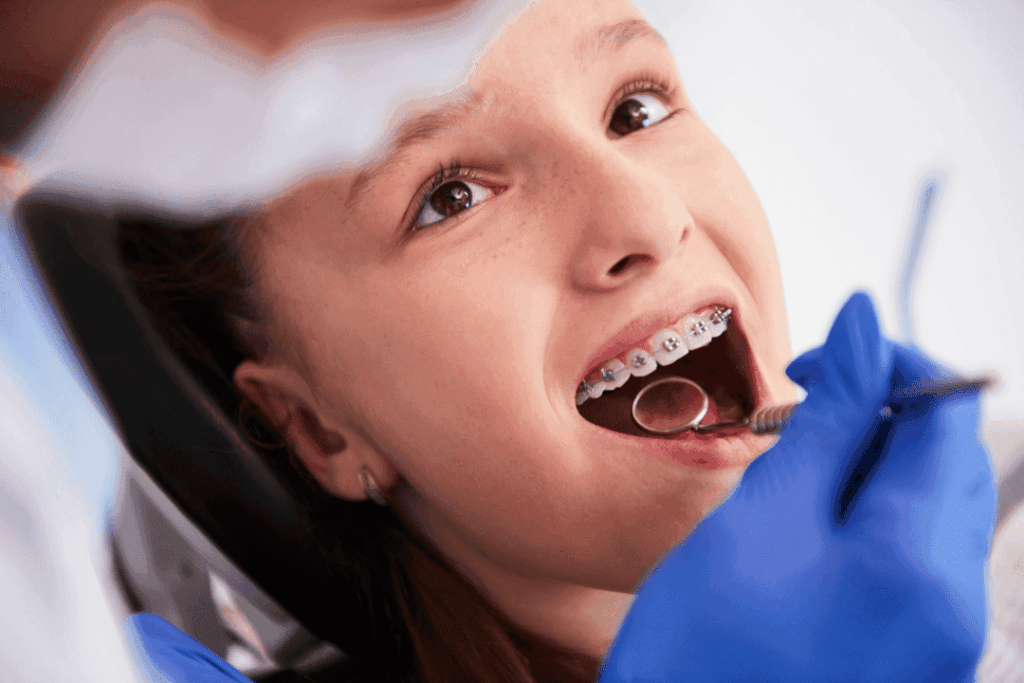
Spotting Early Warning Signs: When Growing Smiles Need a Second Look
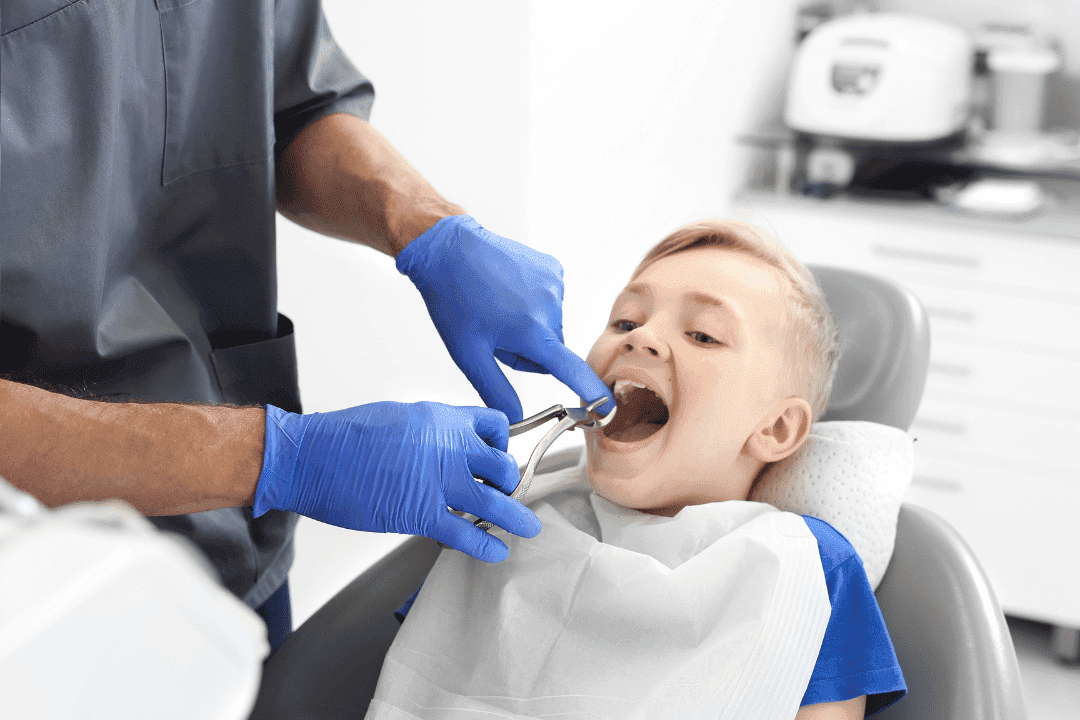
Even though kids may appear to have normal development, subtle changes in tooth alignment or jaw structure can be early signals that children’s orthodontics could be beneficial. Parents may not immediately notice these signs, but orthodontists are trained to identify patterns that reveal future concerns. Some of the biggest red flags relate to bite problems, such as underbites, overbites, open bites, and crossbites all of which can impact chewing, speaking, breathing, and even facial development over time.
Common Red Flags Parents Often Overlook
- Difficulty biting or chewing
- Crowded or widely spaced baby teeth
- Teeth that come in crooked
- Premature or late loss of baby teeth
- Mouth breathing or snoring
- Clicking or shifting of the jaw
- Speech issues linked to tooth or jaw alignment
During ages 7–12, the jaw bones are still soft enough for orthodontists to guide growth, making it the perfect time to evaluate alignment concerns before they become more complex.
The Science Behind Jaw Growth: Why Timing Is Everything

While parents often think orthodontics is only about straight teeth, one of the most important factors during the early years is jaw growth. The upper and lower jaws develop at different times, and early evaluation allows orthodontists to see whether these bones are growing proportionally. If they’re not, orthodontists can use growth guidance techniques not necessarily braces to help correct imbalances.
How Growth Windows Shape Future Orthodontic Care
Between ages 7–12, critical growth milestones occur:
- The upper jaw expands naturally, making it easier to correct crossbites early.
- The lower jaw begins its major growth phase later, making underbites easier to evaluate early.
- Airway development accelerates, allowing orthodontists to identify breathing-related issues.
- Permanent teeth begin erupting in patterns that reveal spacing and alignment concerns.
This window is essential because jaw correction in later teen years is much more difficult and sometimes requires surgery. However, when orthodontists guide growth early, many children avoid the need for invasive treatment later.
Creating the Right Treatment Path: Why Early Evaluations Build Better Outcomes
Early evaluation does not always mean that a child will need immediate treatment or children’s braces, but it does help orthodontists create a personalized roadmap tailored to the child’s growth pattern. When orthodontists see developing issues early, they can intervene at the ideal times, often using simple, noninvasive methods such as spacers, expanders, growth appliances, or short phases of treatment.
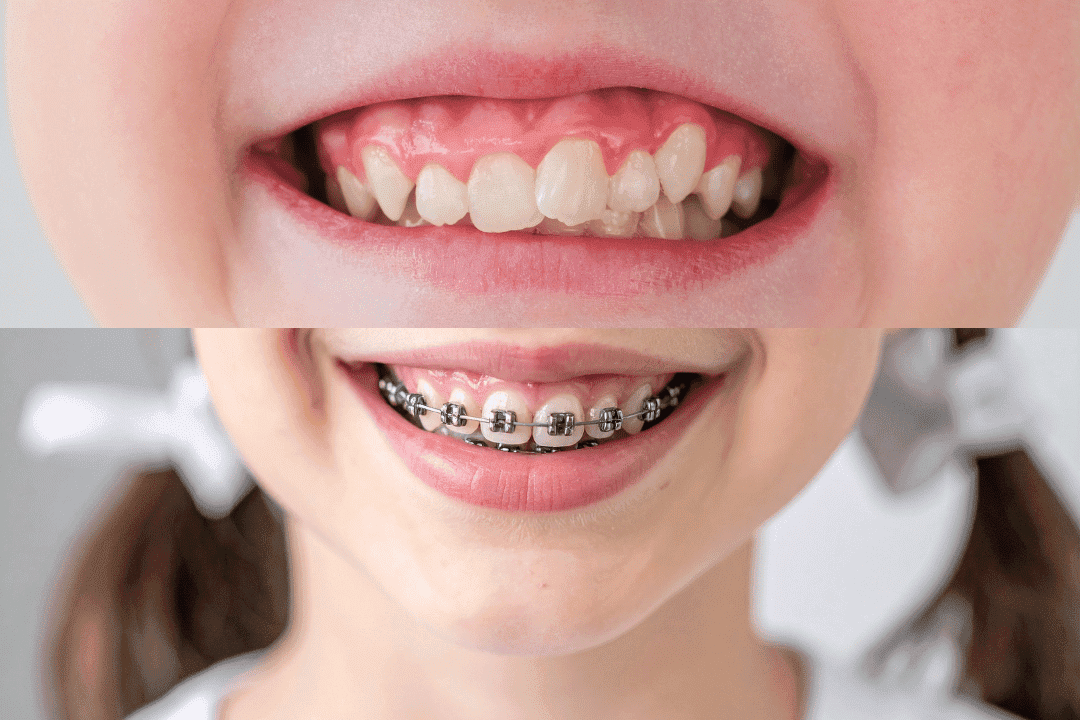
Benefits of Early Treatment Planning
- Prevents the need for tooth extractions later
- Improves facial symmetry as the child grows
- Helps permanent teeth erupt into healthier positions
- Reduces the severity of future bite problems
- Supports proper airway development and breathing
- Makes later treatment shorter, easier, and more predictable
For children who do require children’s braces, early planning can significantly shorten the duration and complexity of treatment during the teen years.
Understanding Bite Problems Before They Become Bigger Issues
One of the biggest advantages of early orthodontic appointments is the ability to catch bite problems before they negatively affect function or appearance. A child’s bite influences speech, chewing, oral hygiene habits, and long-term dental health. For example, crossbites can cause uneven wear on teeth, underbites can make chewing difficult, and open bites can lead to speech impediments.
Why Early Correction Matters
- Prevents uneven jaw growth
- Reduces stress on jaw joints
- Helps avoid tooth damage as permanent teeth erupt
- Improves confidence and oral habits
By evaluating the bite early, orthodontists can correct minor functional issues before they escalate into more complex concerns.
Frequently Asked Questions About Early Orthodontic Evaluations
Why does my child need an orthodontic evaluation at age seven?
Age seven is when permanent teeth begin to emerge and jaw growth patterns become more visible. Early exams help detect hidden issues before they turn into complex problems.
Does early evaluation mean my child will need braces right away?
Not always. An evaluation simply identifies developing issues. Many children do not start treatment immediately, and some never need children’s braces at all.
What signs should I look for at home?
Look for difficulty chewing, mouth breathing, crowded teeth, early or late loss of baby teeth, and noticeable bite problems such as underbites or crossbites.
Are early orthodontic treatments painful or invasive?
Most early treatments focus on guiding growth, not moving individual teeth. These approaches are typically gentle, noninvasive, and more comfortable for young patients.
How long does early orthodontic treatment usually last?
It varies depending on the issue. Some early treatments last just a few months, while others involve phased care. Early evaluations help avoid complicated treatment later.
Learn More About Children’s Orthodontics at Smiles By Design Orthodontics
At Smiles By Design Orthodontics, your child’s smile is guided by experience, expertise, and genuine care. Led by Dr. Austin Rahaim, a Board-Certified Orthodontistand active member of leading professional associations, our practice is dedicated to providing thoughtful, personalized orthodontic care for growing smiles.
We specialize in early orthodontic evaluations for children ages 7–12, offering growth monitoring, preventive guidance, and customized treatment planning designed around your child’s natural development. Our goal is to give families clarity and confidence, never pressure so you can make informed decisions at the right time.
Ready to take the first step toward a healthier, more confident smile for your child?
Schedule your child’s early orthodontic evaluation todayand experience the personalized, welcoming care that sets Smiles By Design Orthodontics apart.