Essential Tips for Maintaining Your Invisalign Aligners
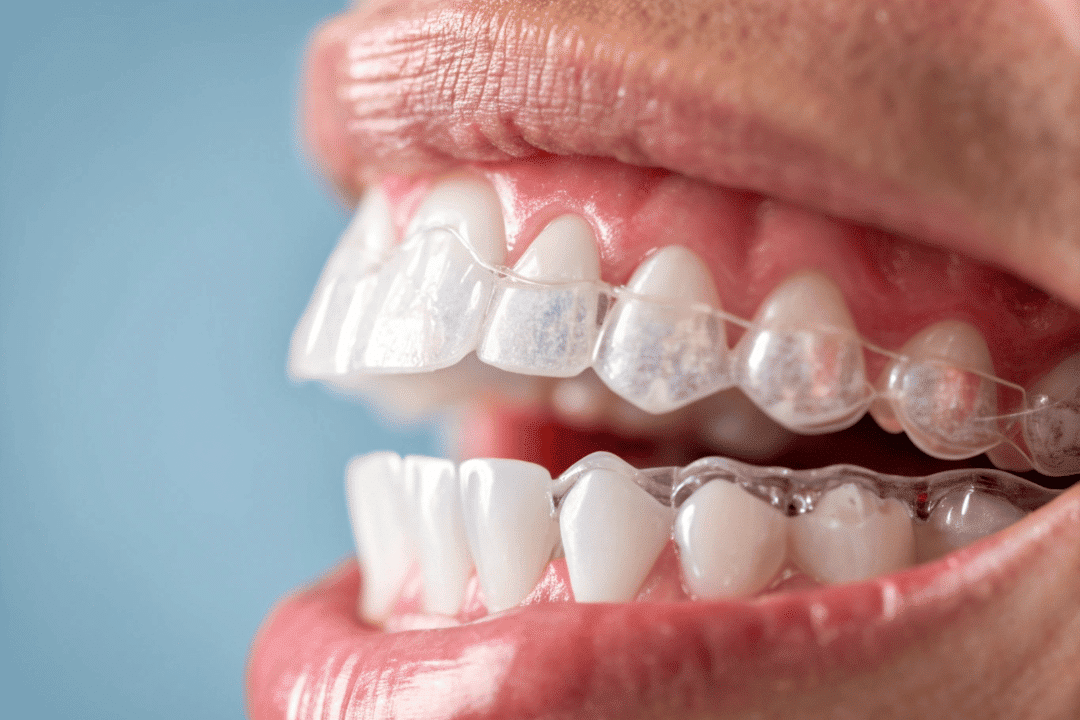
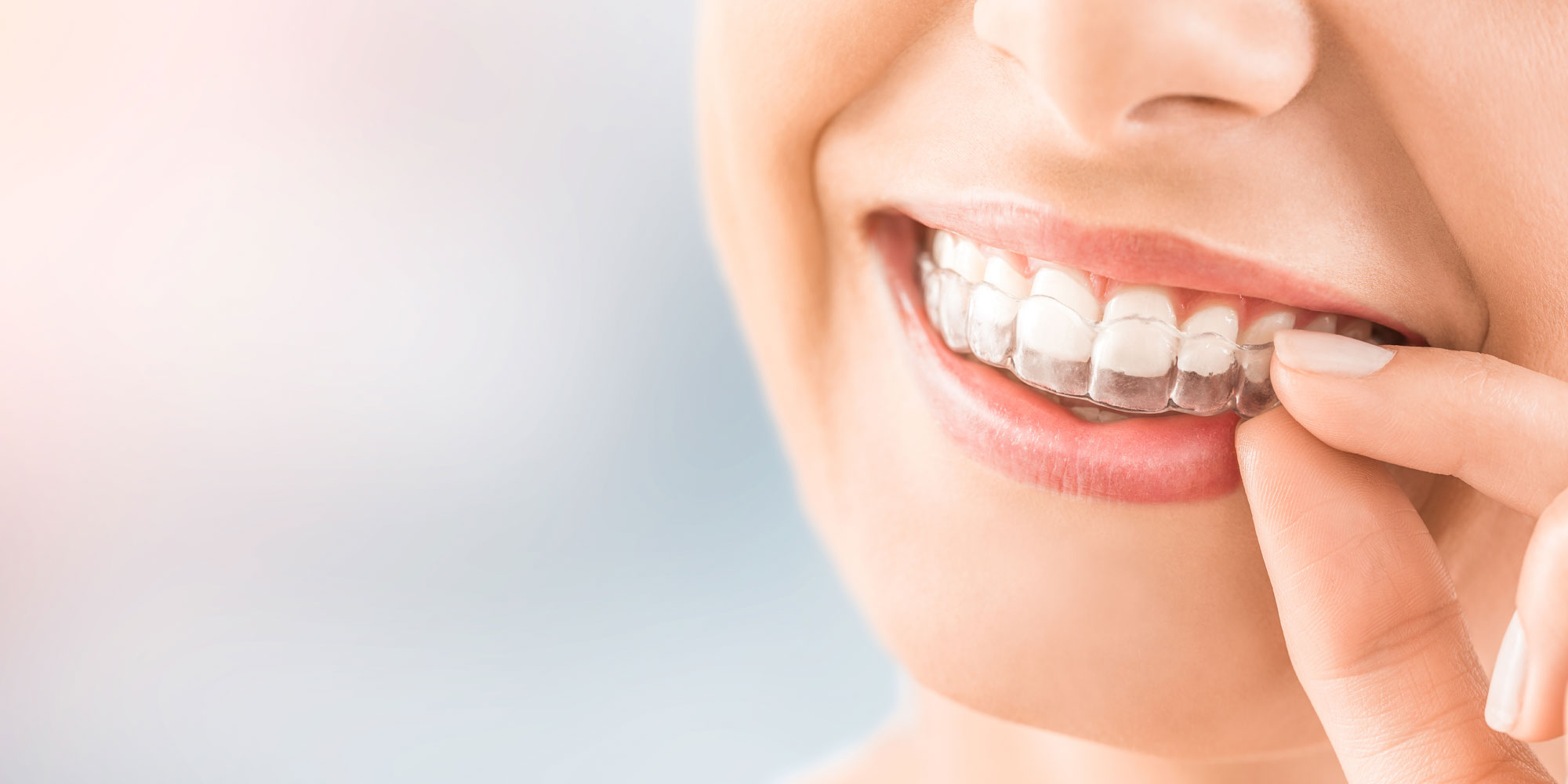
To ensure the longevity and effectiveness of your Invisalign aligners, it's crucial to adopt a consistent maintenance routine. Regular cleaning is essential to prevent discoloration and odor, which can impact your oral health and the clarity of your aligners.
Begin by rinsing your aligners with lukewarm water every time you remove them. Use a soft toothbrush and a gentle, clear soap to clean them daily. Avoid using toothpaste, as it can scratch the surface. Additionally, consider soaking your aligners in a specialized cleaning solution weekly to keep them fresh and free from bacteria.
Understanding the Timeline of Invisalign Treatment
Invisalign treatment is a gradual process that typically lasts between 12 to 18 months, depending on the complexity of your case. Understanding the timeline can help set realistic expectations and motivate you to stay committed to your treatment plan.
Patients usually receive a series of aligners, changing them every one to two weeks. Regular check-ups with your orthodontist every six to eight weeks are necessary to monitor progress and make adjustments as needed. This structured approach ensures that your treatment stays on track for optimal results.
The Role of Attachments in Invisalign Treatment
Attachments are small, tooth-colored bumps that are temporarily bonded to your teeth to help the aligners grip better and facilitate more complex tooth movements. They play a significant role in enhancing the effectiveness of your Invisalign treatment.
These attachments work by providing additional points of contact for the aligners, allowing for precise adjustments in tooth positioning. Your orthodontist will determine if attachments are necessary based on your individual treatment plan, and they will be removed once your treatment is complete.
Common Myths About Invisalign Debunked
Despite its popularity, there are still many misconceptions surrounding Invisalign treatment. One common myth is that Invisalign is not suitable for severe orthodontic issues, which is not true. Invisalign can effectively treat a wide range of dental problems, including crowding, spacing, and bite issues.
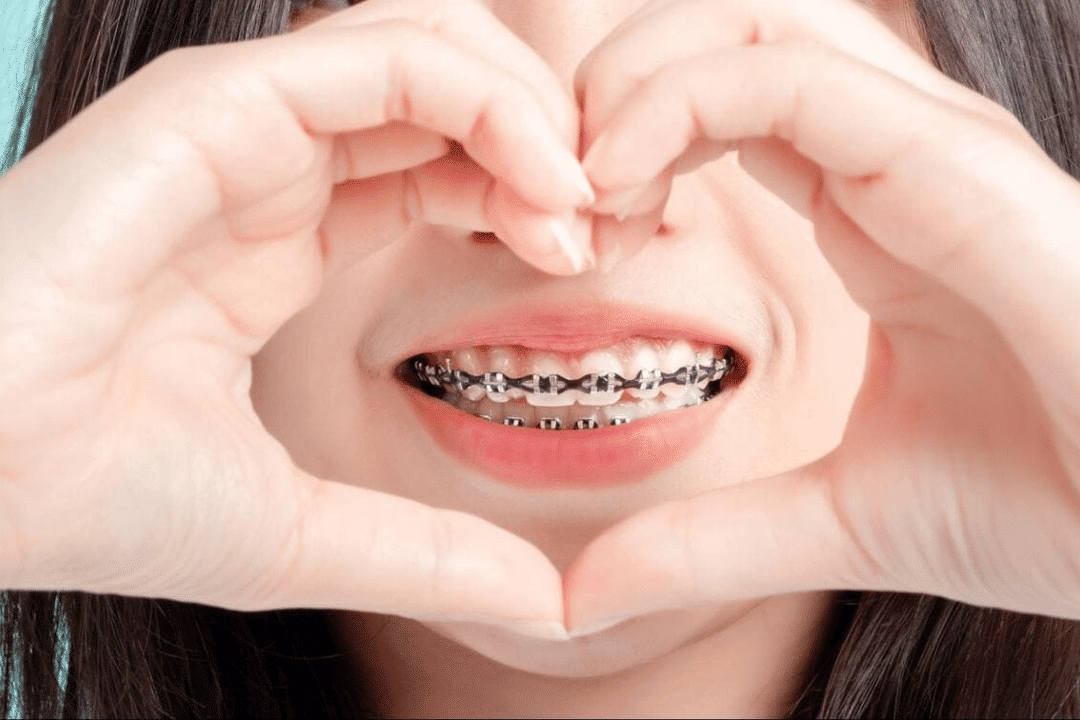
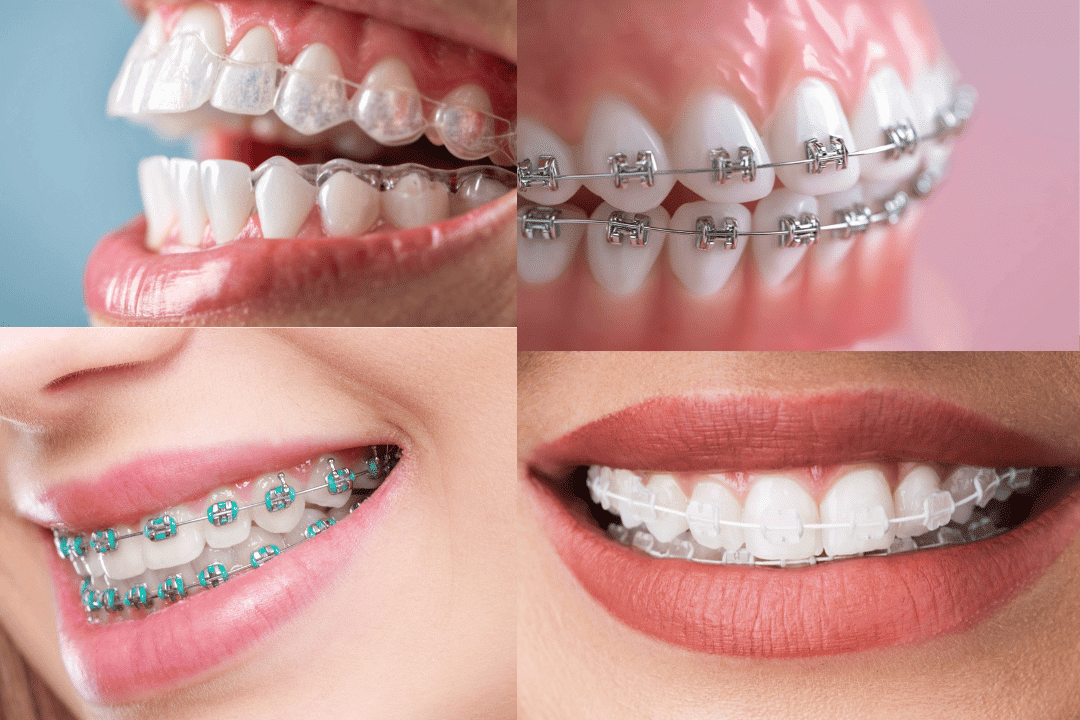
Another myth is that Invisalign aligners are uncomfortable and difficult to wear. In reality, many patients find them to be more comfortable than traditional braces, as they are custom-made for your teeth and do not have metal components that can irritate the gums. Understanding the facts can help patients make informed decisions about their orthodontic care.
Essential Tips for Maintaining Your Invisalign Aligners
To ensure the longevity and effectiveness of your Invisalign aligners, it's crucial to adopt a consistent maintenance routine. Regular cleaning is essential to prevent discoloration and odor, which can impact your oral health and the clarity of your aligners.
Begin by rinsing your aligners with lukewarm water every time you remove them. Use a soft toothbrush and a gentle, clear soap to clean them daily. Avoid using toothpaste, as it can scratch the surface. Additionally, consider soaking your aligners in a specialized cleaning solution weekly to keep them fresh and free from bacteria.
Understanding the Timeline of Invisalign Treatment
Invisalign treatment is a gradual process that typically lasts between 12 to 18 months, depending on the complexity of your case. Understanding the timeline can help set realistic expectations and motivate you to stay committed to your treatment plan.
Patients usually receive a series of aligners, changing them every one to two weeks. Regular check-ups with your orthodontist every six to eight weeks are necessary to monitor progress and make adjustments as needed. This structured approach ensures that your treatment stays on track for optimal results.
The Role of Attachments in Invisalign Treatment
Attachments are small, tooth-colored bumps that are temporarily bonded to your teeth to help the aligners grip better and facilitate more complex tooth movements. They play a significant role in enhancing the effectiveness of your Invisalign treatment.
These attachments work by providing additional points of contact for the aligners, allowing for precise adjustments in tooth positioning. Your orthodontist will determine if attachments are necessary based on your individual treatment plan, and they will be removed once your treatment is complete.
Common Myths About Invisalign Debunked
Despite its popularity, there are still many misconceptions surrounding Invisalign treatment. One common myth is that Invisalign is not suitable for severe orthodontic issues, which is not true. Invisalign can effectively treat a wide range of dental problems, including crowding, spacing, and bite issues.
Another myth is that Invisalign aligners are uncomfortable and difficult to wear. In reality, many patients find them to be more comfortable than traditional braces, as they are custom-made for your teeth and do not have metal components that can irritate the gums. Understanding the facts can help patients make informed decisions about their orthodontic care.