The Importance of Retainers After Orthodontic Treatment
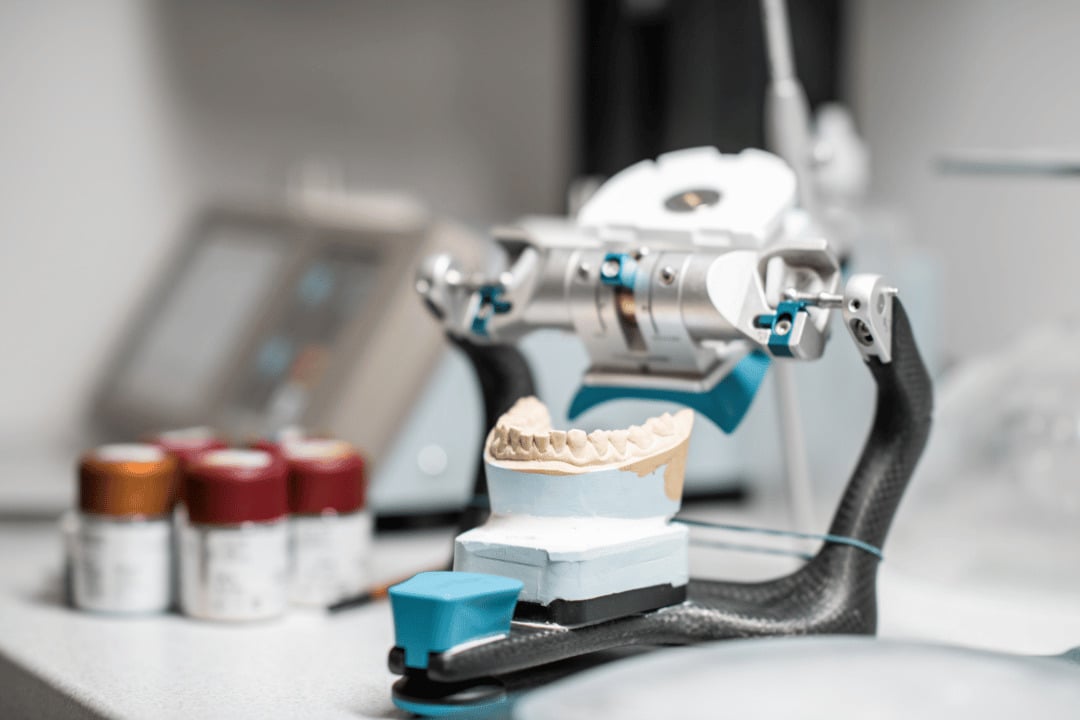
Retainers play a crucial role in maintaining the results achieved through orthodontic treatment. After braces or aligners are removed, teeth can shift back to their original positions if not properly managed. Retainers help stabilize the teeth and ensure that the new alignment is preserved over time.
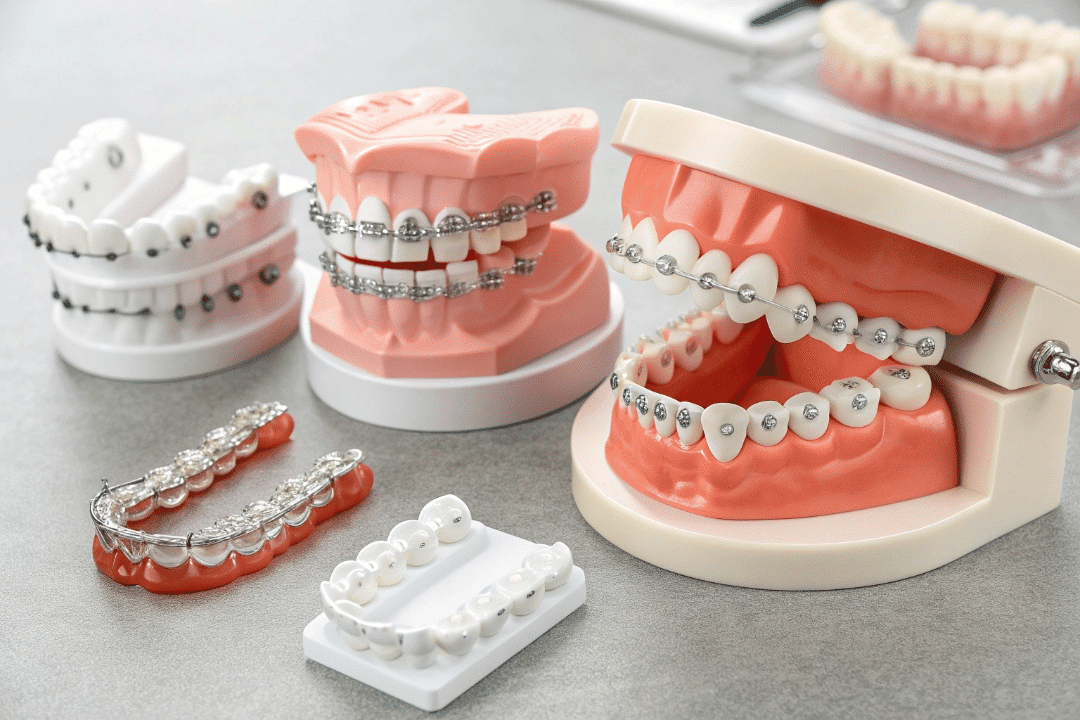
There are various types of retainers available, including fixed and removable options. Fixed retainers are bonded to the back of the teeth, providing a permanent solution, while removable retainers can be taken out for cleaning and eating. Your orthodontist will recommend the best type based on your specific needs and treatment outcomes.
Understanding the Role of Orthodontics in Overall Health
Orthodontics is not solely about aesthetics; it significantly contributes to overall health and well-being. Proper alignment of teeth can improve oral function, making it easier to chew and speak. Additionally, straight teeth are easier to clean, which can lead to better oral hygiene and reduced risk of cavities and gum disease.
Research has shown that misaligned teeth can lead to issues such as jaw pain, headaches, and even digestive problems due to improper chewing. By addressing these concerns through orthodontic treatment, patients can enhance their quality of life and prevent long-term health complications.
Common Myths About Orthodontic Treatment Debunked
Many misconceptions surround orthodontic treatment that can deter individuals from seeking necessary care. One prevalent myth is that orthodontics is only for children and teenagers. In reality, adults can benefit from orthodontic treatment at any age, and many options are available that cater specifically to adult needs.
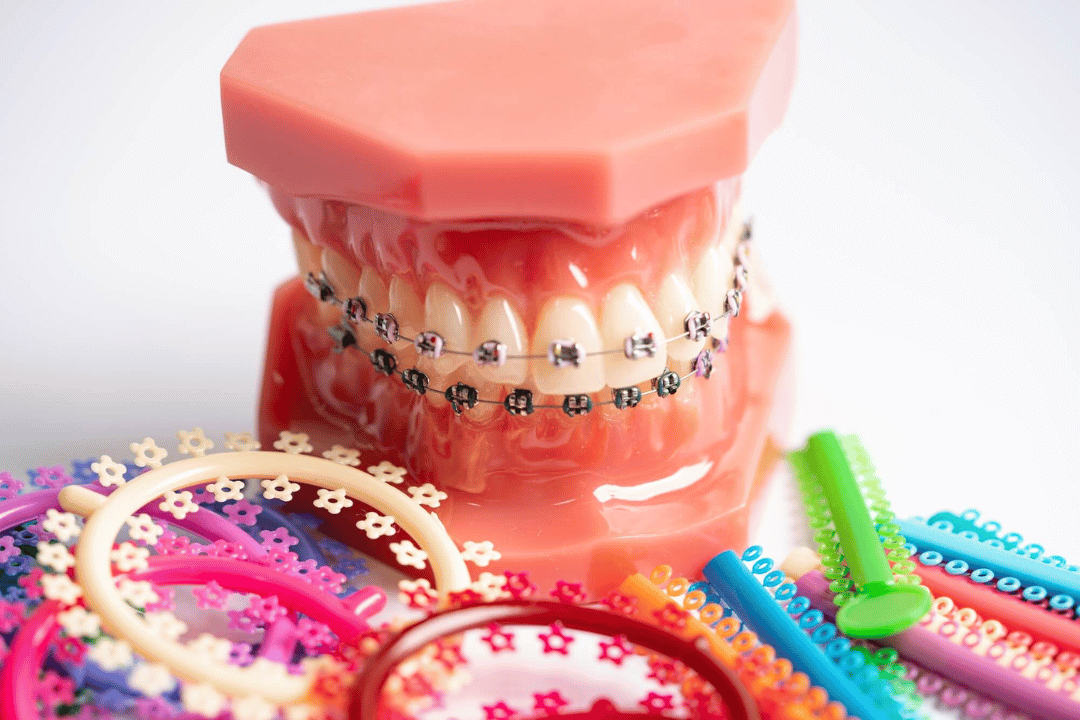
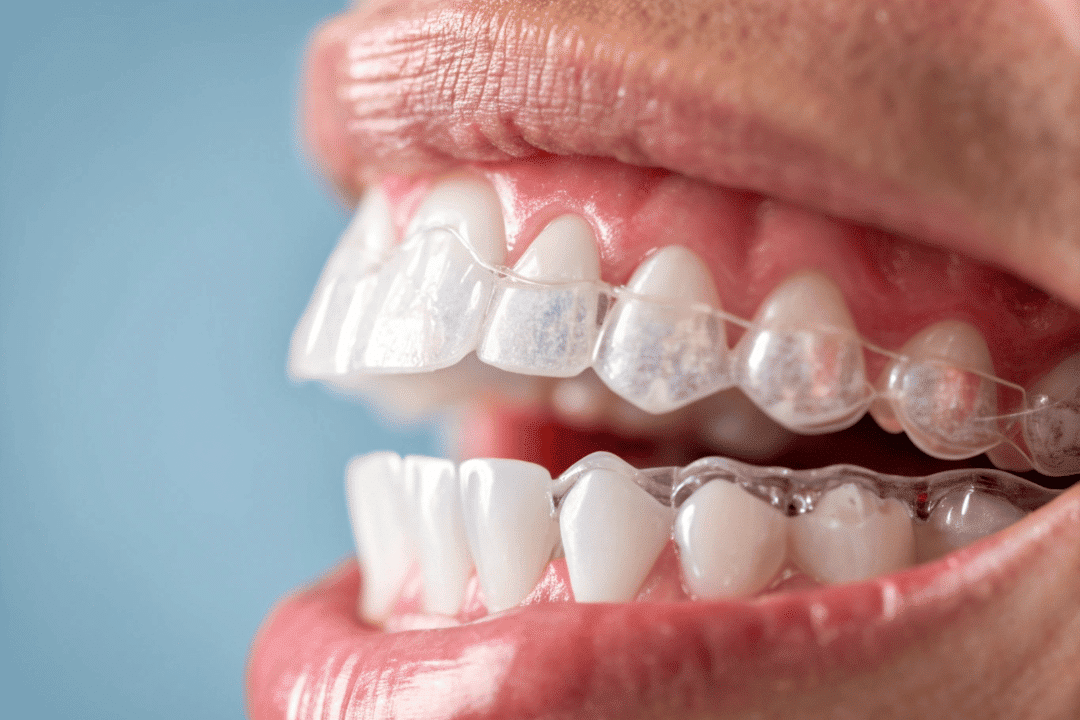
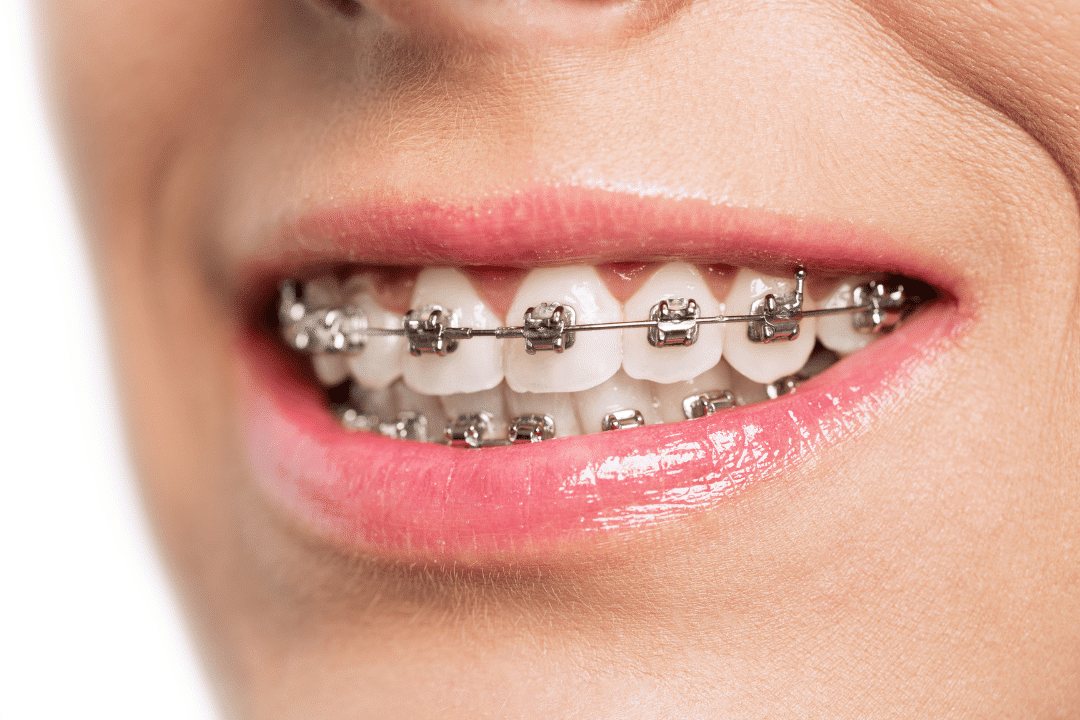
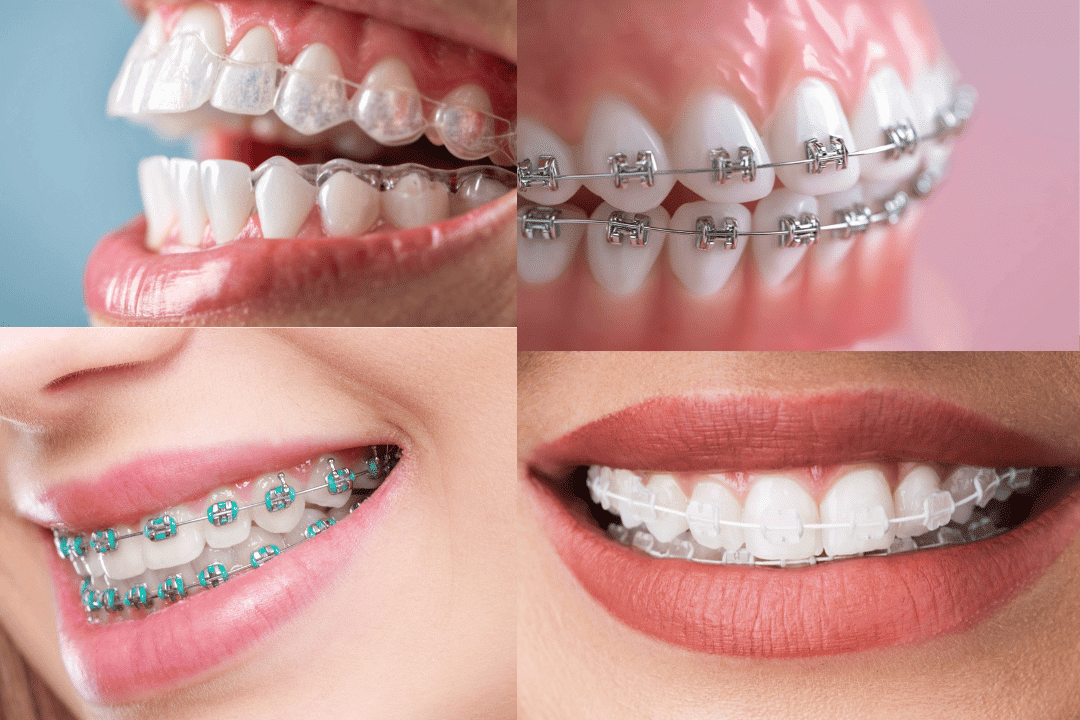
Another common myth is that braces are the only option for teeth straightening. With advancements in orthodontic technology, alternatives such as clear aligners and lingual braces have emerged, providing discreet and comfortable solutions. Understanding the truth behind these myths can empower patients to make informed decisions about their orthodontic care.
Preparing for Your First Orthodontic Consultation
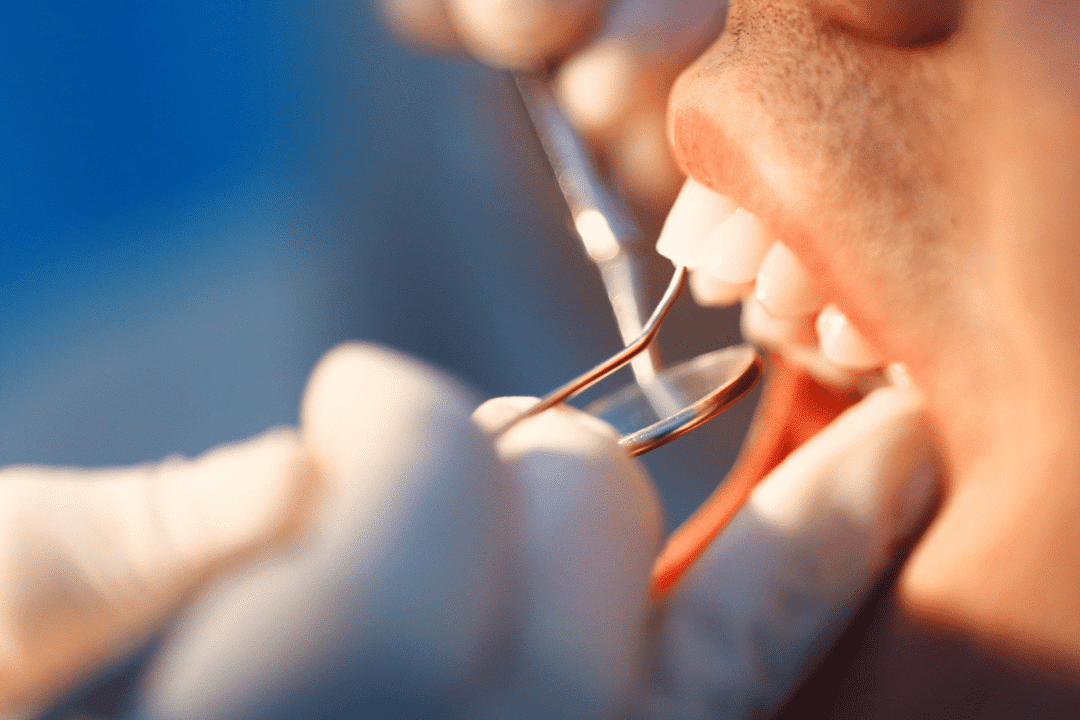
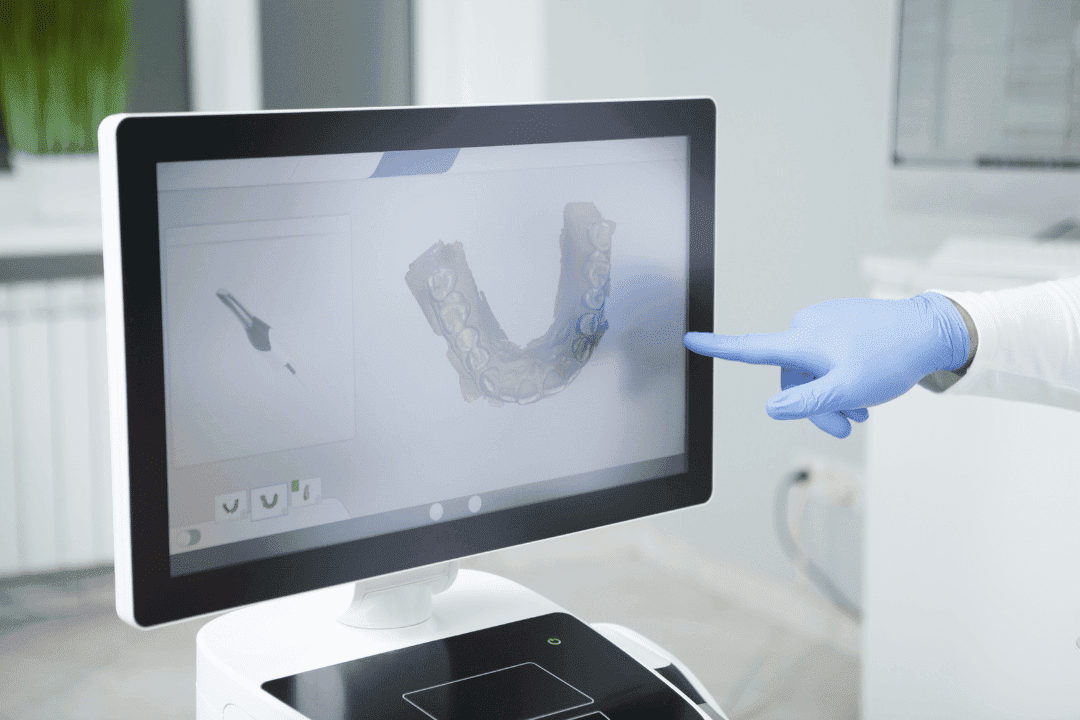
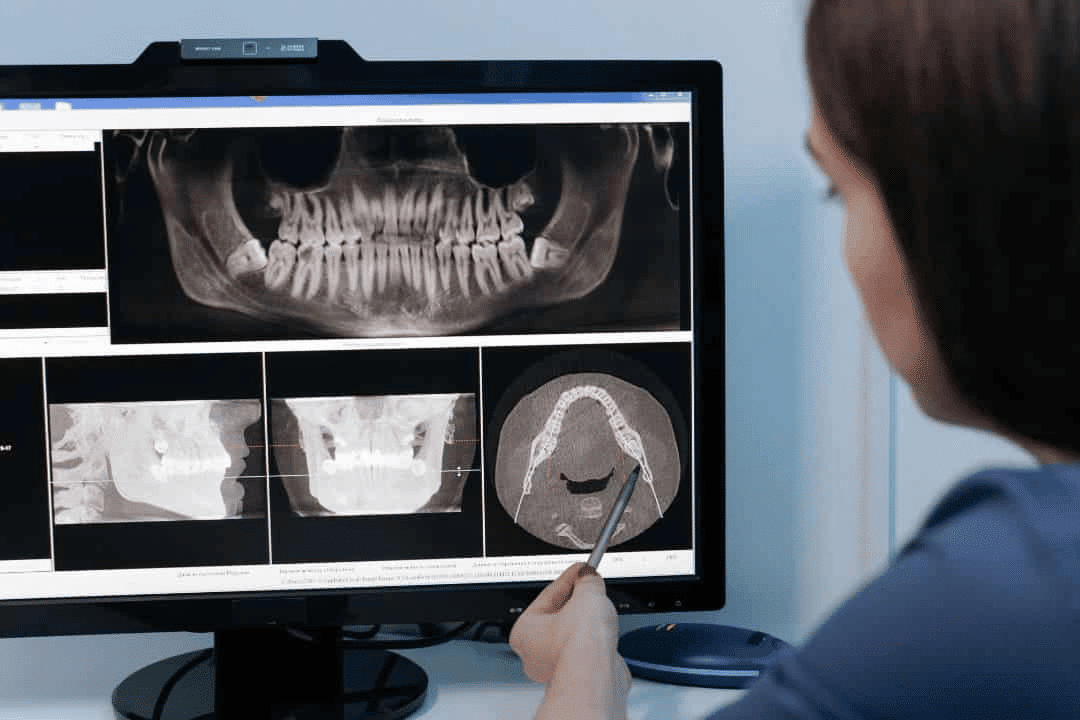
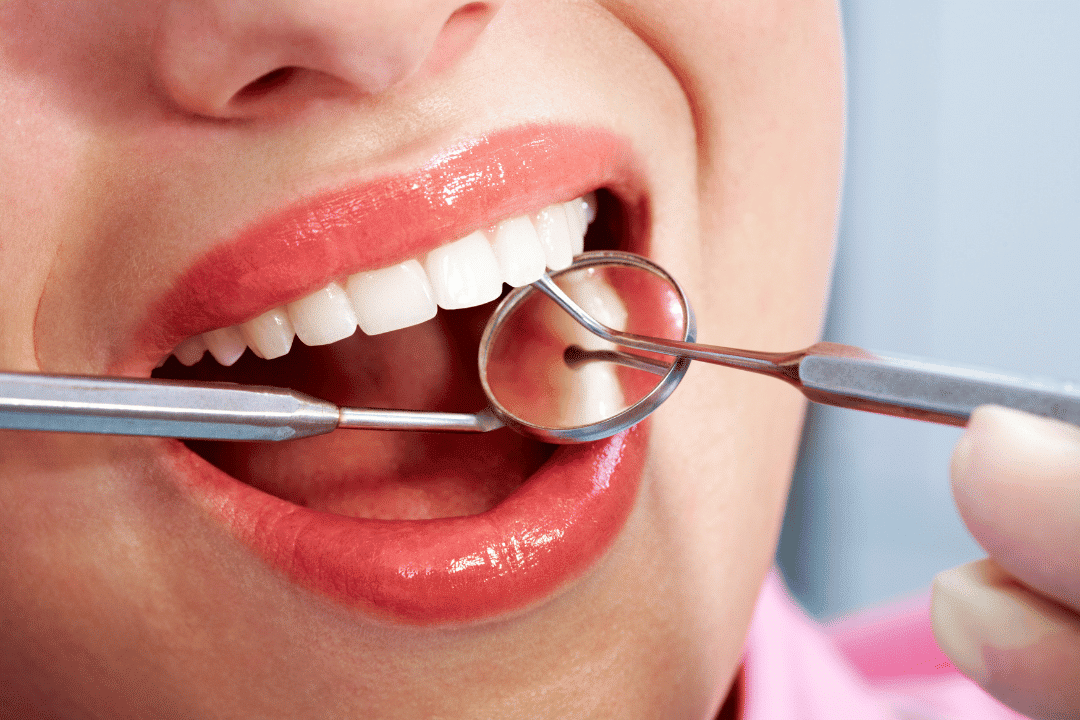
Your first orthodontic consultation is an essential step in your journey toward a healthier smile. During this visit, the orthodontist will evaluate your teeth, bite, and overall oral health to determine the best treatment plan. It’s important to come prepared with any questions or concerns you may have about the process.
Additionally, you should bring any relevant medical history and a list of medications you are currently taking. This information helps the orthodontist tailor their recommendations to your specific needs. Understanding what to expect during this initial appointment can help alleviate any anxiety and set the stage for a successful treatment experience.
The Importance of Retainers After Orthodontic Treatment
Retainers play a crucial role in maintaining the results achieved through orthodontic treatment. After braces or aligners are removed, teeth can shift back to their original positions if not properly managed. Retainers help stabilize the teeth and ensure that the new alignment is preserved over time.
There are various types of retainers available, including fixed and removable options. Fixed retainers are bonded to the back of the teeth, providing a permanent solution, while removable retainers can be taken out for cleaning and eating. Your orthodontist will recommend the best type based on your specific needs and treatment outcomes.
Understanding the Role of Orthodontics in Overall Health
Orthodontics is not solely about aesthetics; it significantly contributes to overall health and well-being. Proper alignment of teeth can improve oral function, making it easier to chew and speak. Additionally, straight teeth are easier to clean, which can lead to better oral hygiene and reduced risk of cavities and gum disease.
Research has shown that misaligned teeth can lead to issues such as jaw pain, headaches, and even digestive problems due to improper chewing. By addressing these concerns through orthodontic treatment, patients can enhance their quality of life and prevent long-term health complications.
Common Myths About Orthodontic Treatment Debunked
Many misconceptions surround orthodontic treatment that can deter individuals from seeking necessary care. One prevalent myth is that orthodontics is only for children and teenagers. In reality, adults can benefit from orthodontic treatment at any age, and many options are available that cater specifically to adult needs.
Another common myth is that braces are the only option for teeth straightening. With advancements in orthodontic technology, alternatives such as clear aligners and lingual braces have emerged, providing discreet and comfortable solutions. Understanding the truth behind these myths can empower patients to make informed decisions about their orthodontic care.
Preparing for Your First Orthodontic Consultation
Your first orthodontic consultation is an essential step in your journey toward a healthier smile. During this visit, the orthodontist will evaluate your teeth, bite, and overall oral health to determine the best treatment plan. It’s important to come prepared with any questions or concerns you may have about the process.
Additionally, you should bring any relevant medical history and a list of medications you are currently taking. This information helps the orthodontist tailor their recommendations to your specific needs. Understanding what to expect during this initial appointment can help alleviate any anxiety and set the stage for a successful treatment experience.