The Benefits of Early Orthodontic Intervention
Early orthodontic intervention can significantly influence a child's dental development, ensuring proper alignment as they grow. By assessing and addressing potential issues during critical growth phases, orthodontists can guide the development of the jaw and teeth more effectively.
For instance, conditions such as overcrowding or bite misalignment can be corrected more easily when detected early. This proactive approach not only improves the chances of a healthier smile but also reduces the need for more extensive treatments later on, saving time and costs for families.
Understanding Different Types of Braces
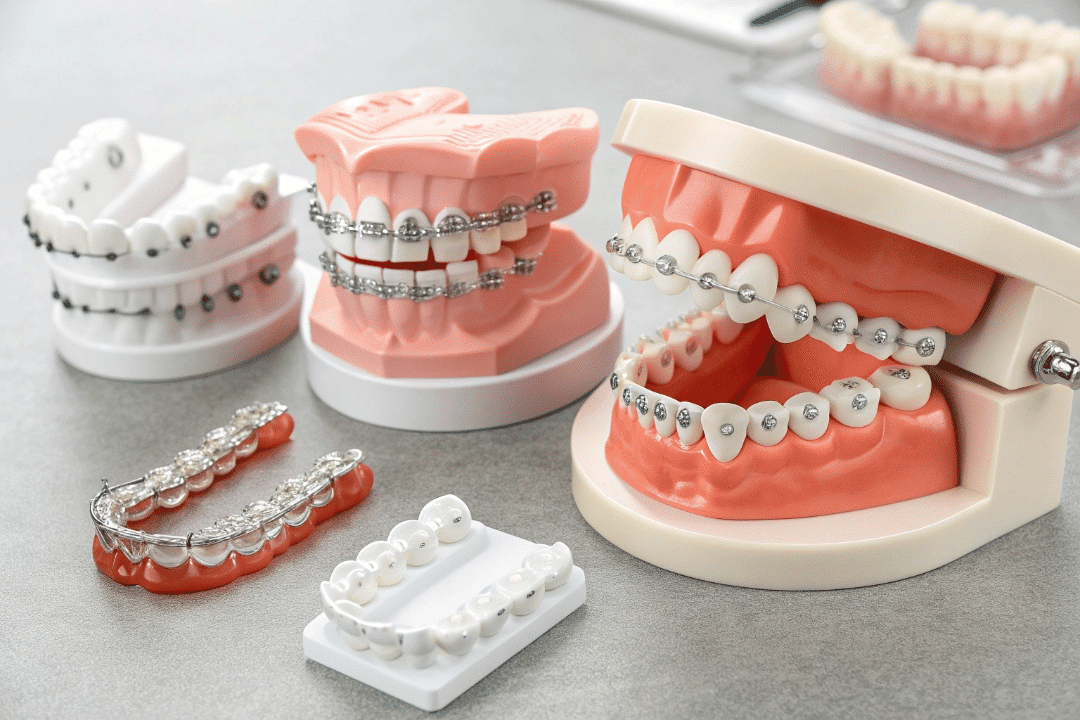
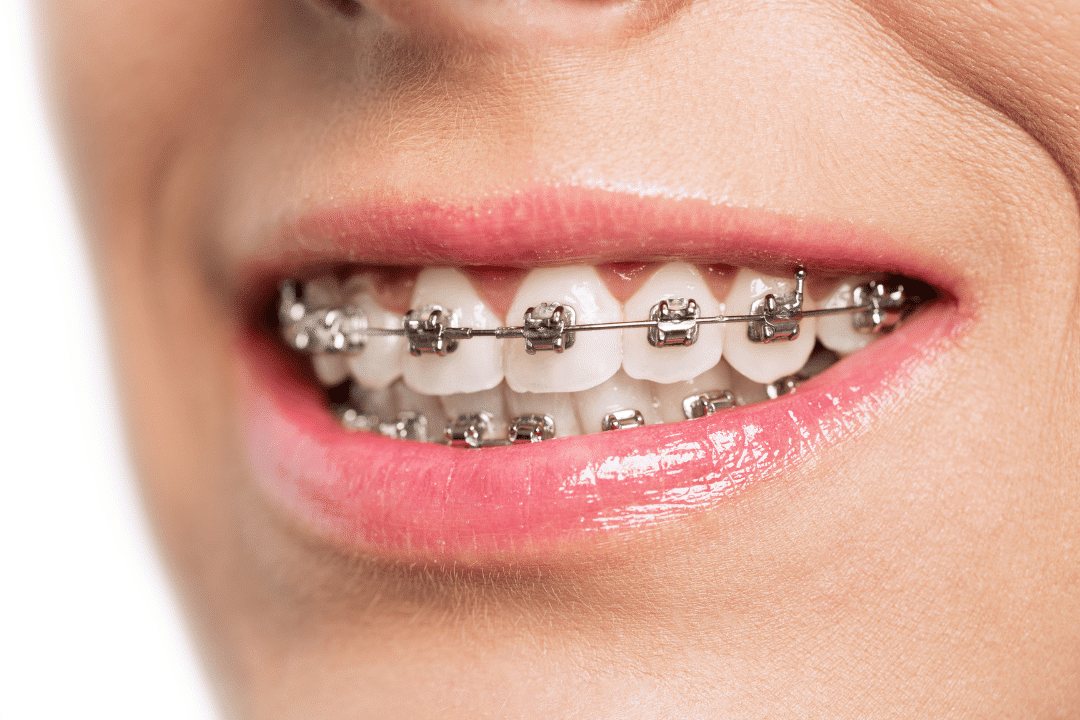
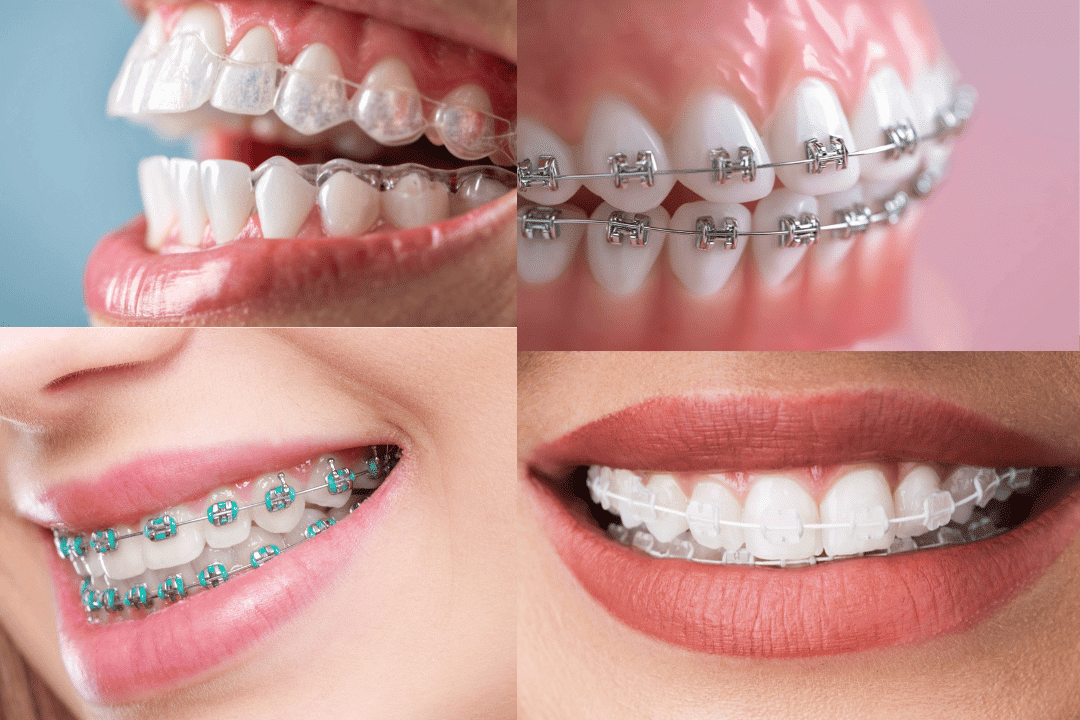
Orthodontic treatment options have evolved, offering various types of braces to suit different needs and preferences. Traditional metal braces, ceramic braces, and lingual braces each have unique attributes that cater to specific dental conditions and patient lifestyles.
For example, metal braces are often more affordable and effective for complex cases, while ceramic braces provide a more discreet option for adults. Lingual braces, placed behind the teeth, offer an invisible solution for those concerned about aesthetics during treatment. Understanding these options empowers patients to make informed decisions about their orthodontic care.
Maintaining Oral Hygiene with Braces
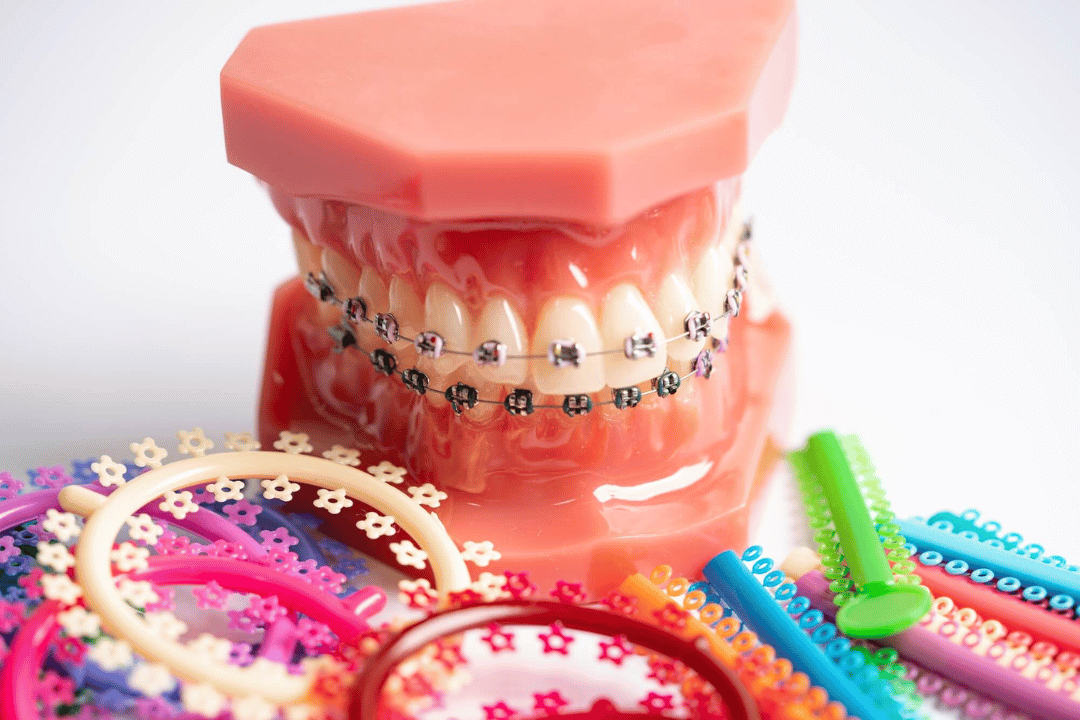
Good oral hygiene is crucial for anyone wearing braces, as food particles can easily become trapped, leading to plaque buildup and potential cavities. Patients are encouraged to adopt specific cleaning routines to ensure their teeth and gums remain healthy throughout their treatment.
Using specialized tools such as orthodontic toothbrushes, floss threaders, and mouth rinses can help maintain cleanliness. Regular dental check-ups are also essential to monitor oral health and make necessary adjustments to the braces, ensuring a successful treatment outcome.
What to Expect During Your First Orthodontic Consultation
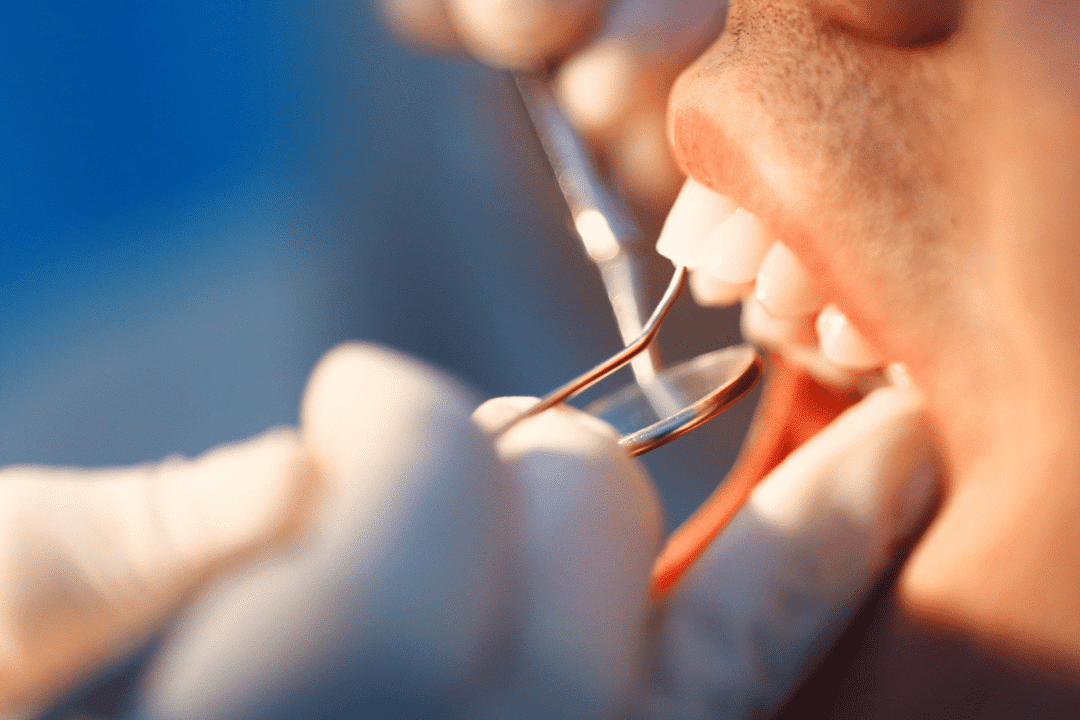
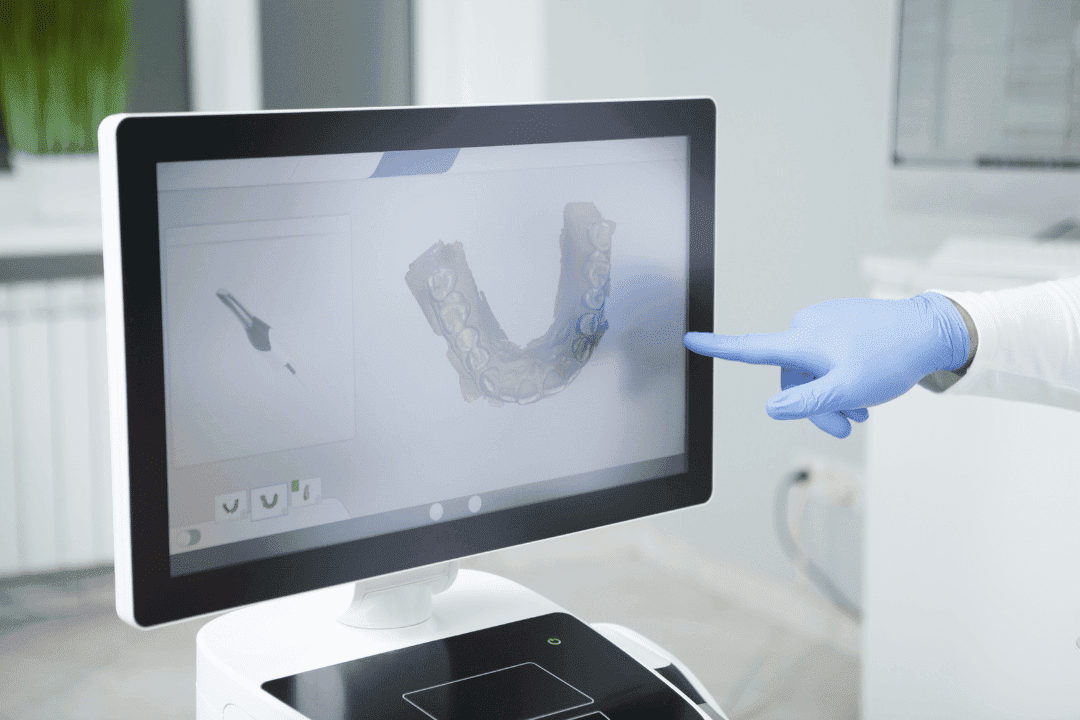
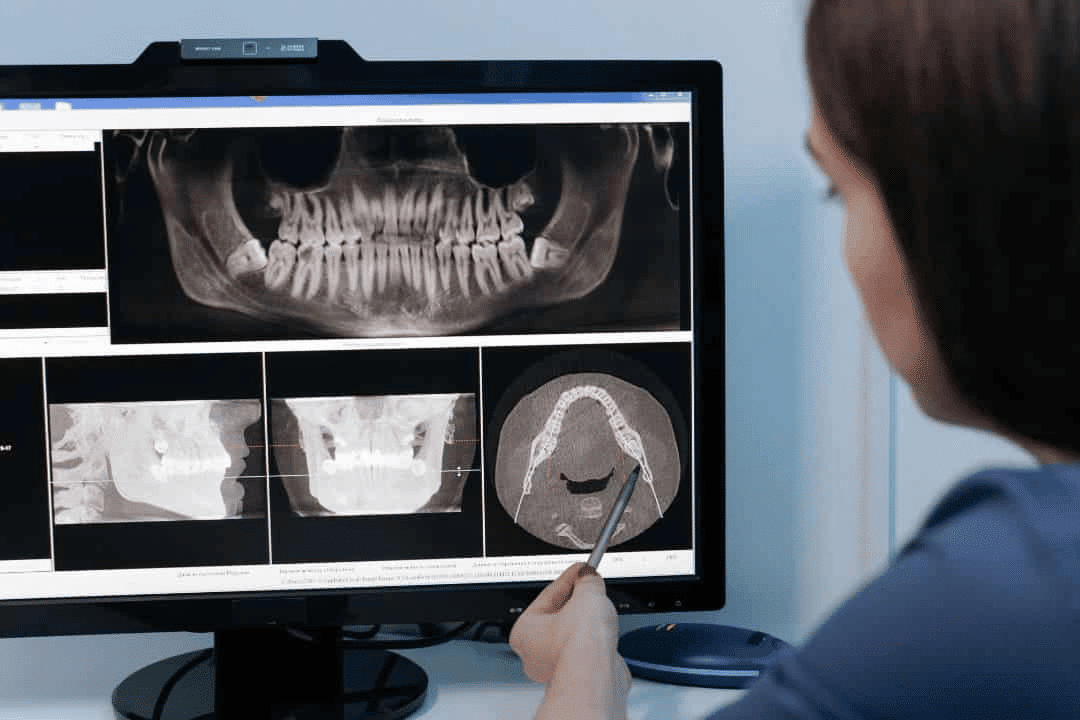
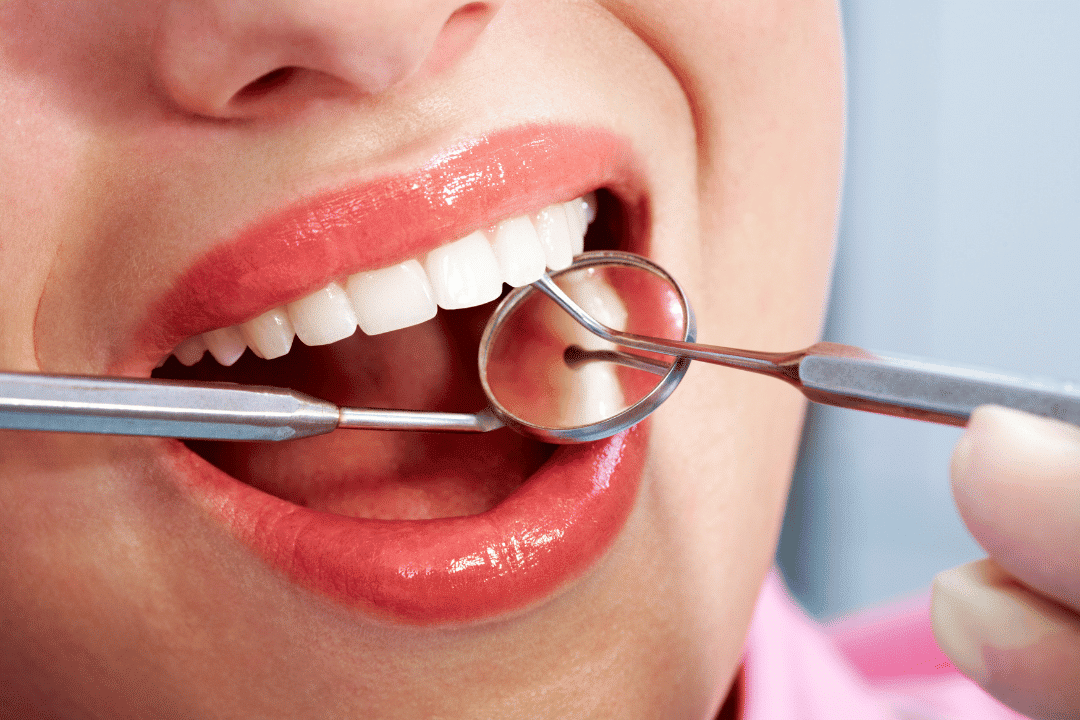
Your first orthodontic consultation is an important step in your orthodontic journey, as it sets the foundation for your treatment plan. During this visit, the orthodontist will conduct a thorough examination of your teeth, jaw, and facial structure, often using imaging technology to assess your needs accurately.
Patients can expect to discuss their dental history, any concerns they may have, and the various treatment options available. This initial meeting is a great opportunity to ask questions and gain a better understanding of what to expect throughout the orthodontic process.
The Benefits of Early Orthodontic Intervention
Early orthodontic intervention can significantly influence a child's dental development, ensuring proper alignment as they grow. By assessing and addressing potential issues during critical growth phases, orthodontists can guide the development of the jaw and teeth more effectively.
For instance, conditions such as overcrowding or bite misalignment can be corrected more easily when detected early. This proactive approach not only improves the chances of a healthier smile but also reduces the need for more extensive treatments later on, saving time and costs for families.
Understanding Different Types of Braces
Orthodontic treatment options have evolved, offering various types of braces to suit different needs and preferences. Traditional metal braces, ceramic braces, and lingual braces each have unique attributes that cater to specific dental conditions and patient lifestyles.
For example, metal braces are often more affordable and effective for complex cases, while ceramic braces provide a more discreet option for adults. Lingual braces, placed behind the teeth, offer an invisible solution for those concerned about aesthetics during treatment. Understanding these options empowers patients to make informed decisions about their orthodontic care.
Maintaining Oral Hygiene with Braces
Good oral hygiene is crucial for anyone wearing braces, as food particles can easily become trapped, leading to plaque buildup and potential cavities. Patients are encouraged to adopt specific cleaning routines to ensure their teeth and gums remain healthy throughout their treatment.
Using specialized tools such as orthodontic toothbrushes, floss threaders, and mouth rinses can help maintain cleanliness. Regular dental check-ups are also essential to monitor oral health and make necessary adjustments to the braces, ensuring a successful treatment outcome.
What to Expect During Your First Orthodontic Consultation
Your first orthodontic consultation is an important step in your orthodontic journey, as it sets the foundation for your treatment plan. During this visit, the orthodontist will conduct a thorough examination of your teeth, jaw, and facial structure, often using imaging technology to assess your needs accurately.
Patients can expect to discuss their dental history, any concerns they may have, and the various treatment options available. This initial meeting is a great opportunity to ask questions and gain a better understanding of what to expect throughout the orthodontic process.