Understanding Self-Ligating Braces: Benefits and Considerations
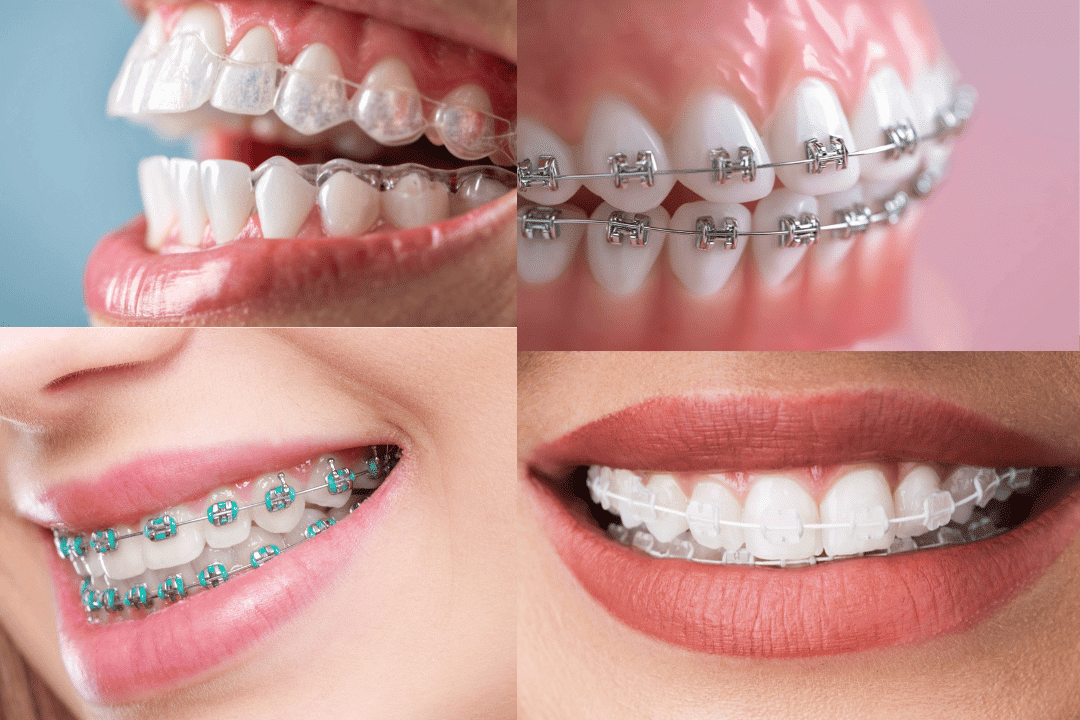
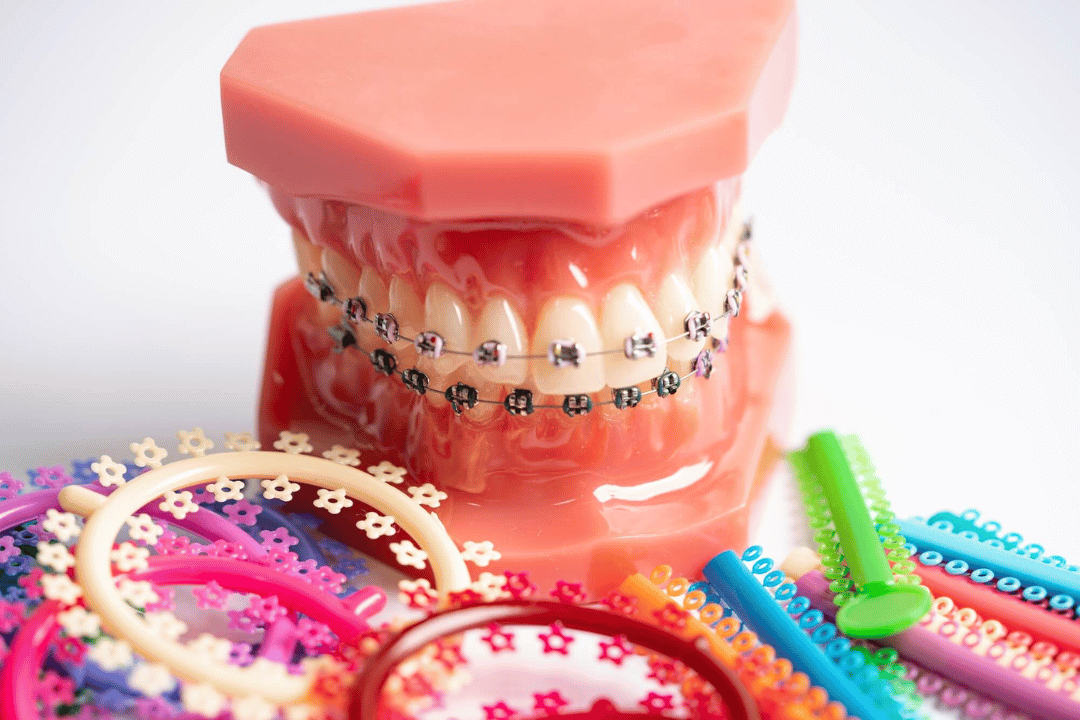
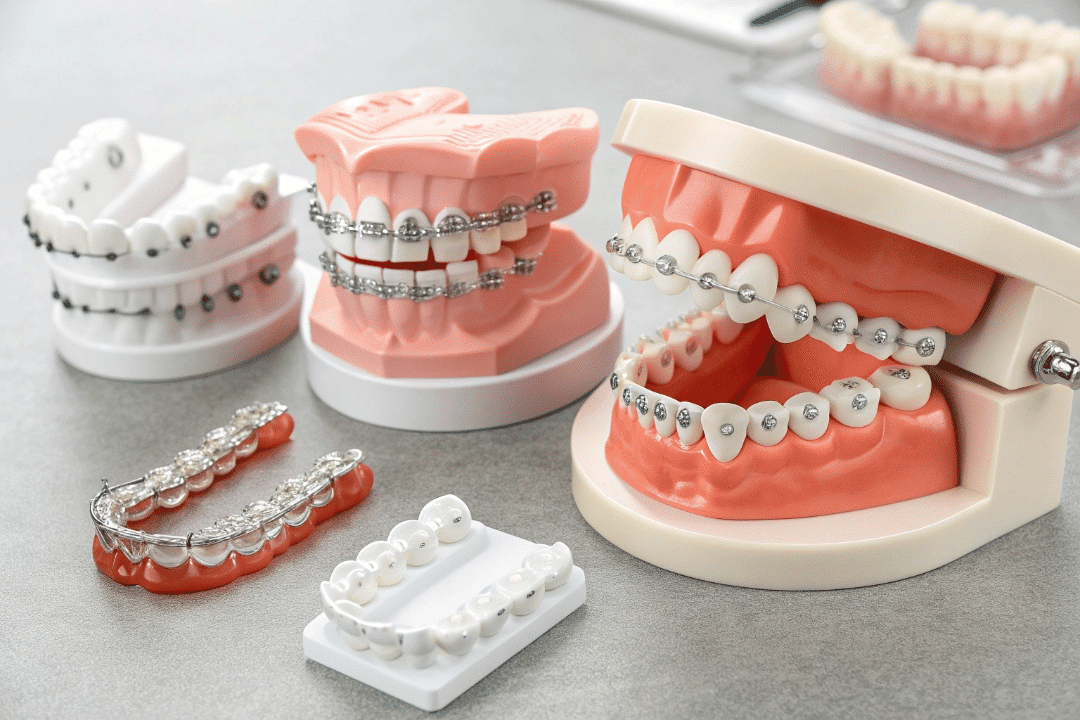
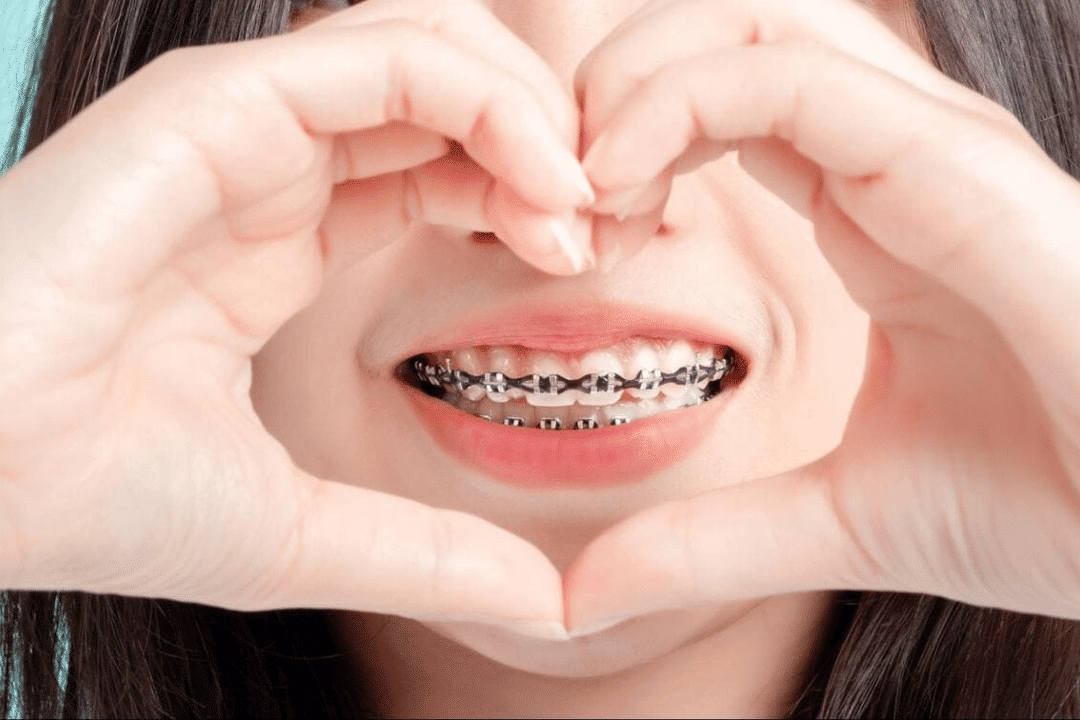
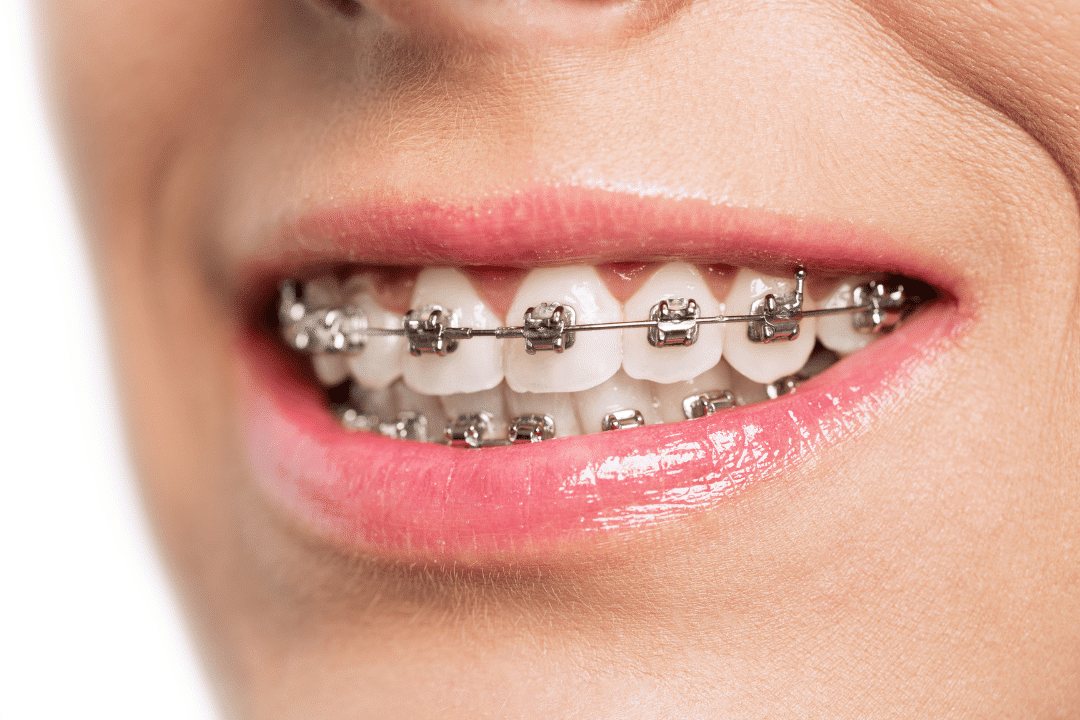
Self-ligating braces offer a modern twist on traditional orthodontic treatment, utilizing a specialized clip mechanism to hold the wire in place. This design reduces friction and allows for a more efficient tooth movement, often leading to shorter treatment times and fewer office visits.
Patients often appreciate the aesthetic benefits of self-ligating braces, as they can be less noticeable than traditional braces. Additionally, the reduced need for tightening appointments can make the overall experience more comfortable and convenient, making them a popular choice among both teens and adults seeking orthodontic care.
Common Myths About Self-Ligating Braces Debunked
There are several misconceptions surrounding self-ligating braces that can deter patients from considering them as a viable treatment option. One common myth is that they are only suitable for mild orthodontic cases, when in reality, they can effectively treat a wide range of dental issues.
Another myth is that self-ligating braces are significantly more expensive than traditional braces. While the initial investment may be higher, many patients find that the reduced number of visits and faster treatment times can offset the costs, making them a cost-effective choice in the long run.
What to Expect During Your Self-Ligating Braces Journey
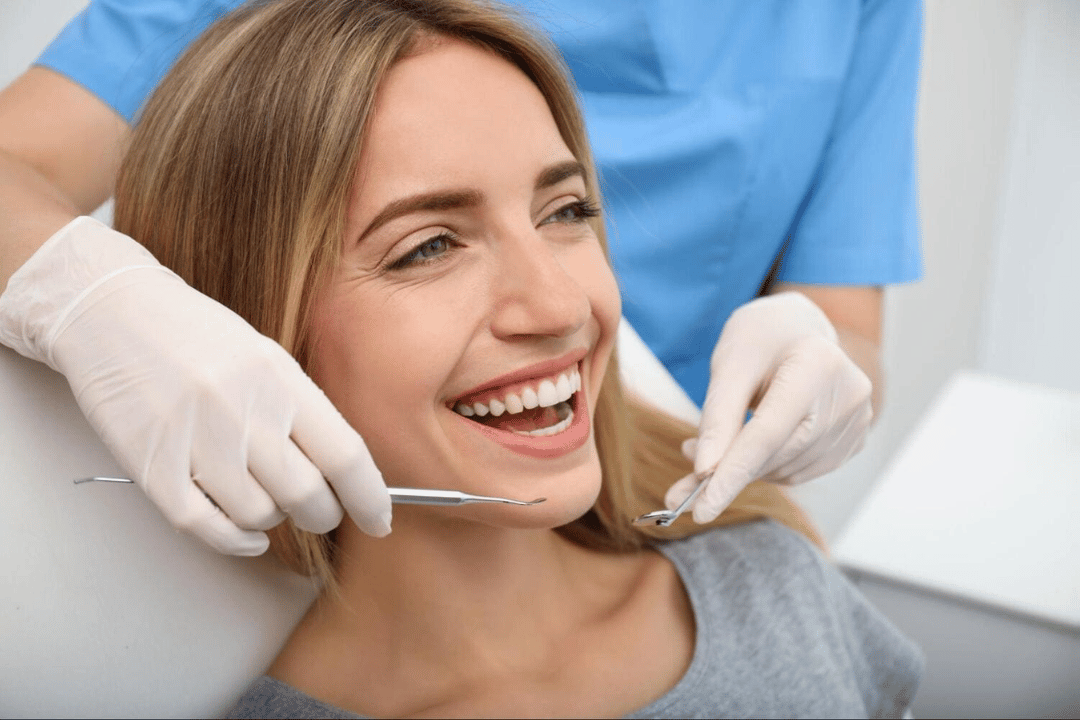
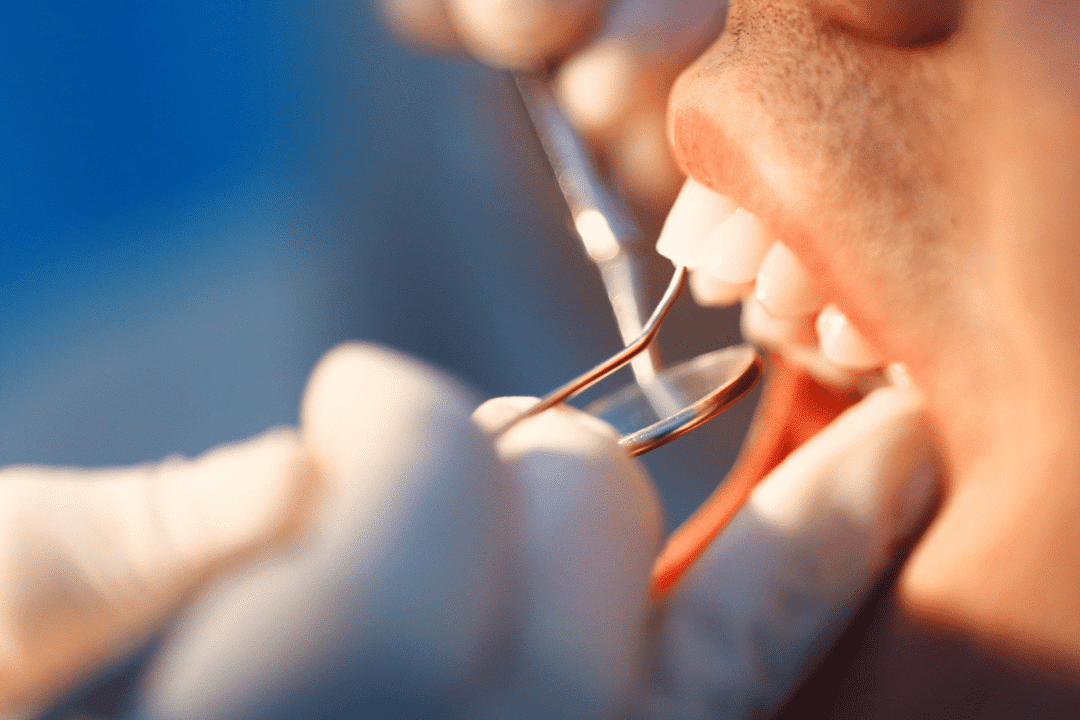
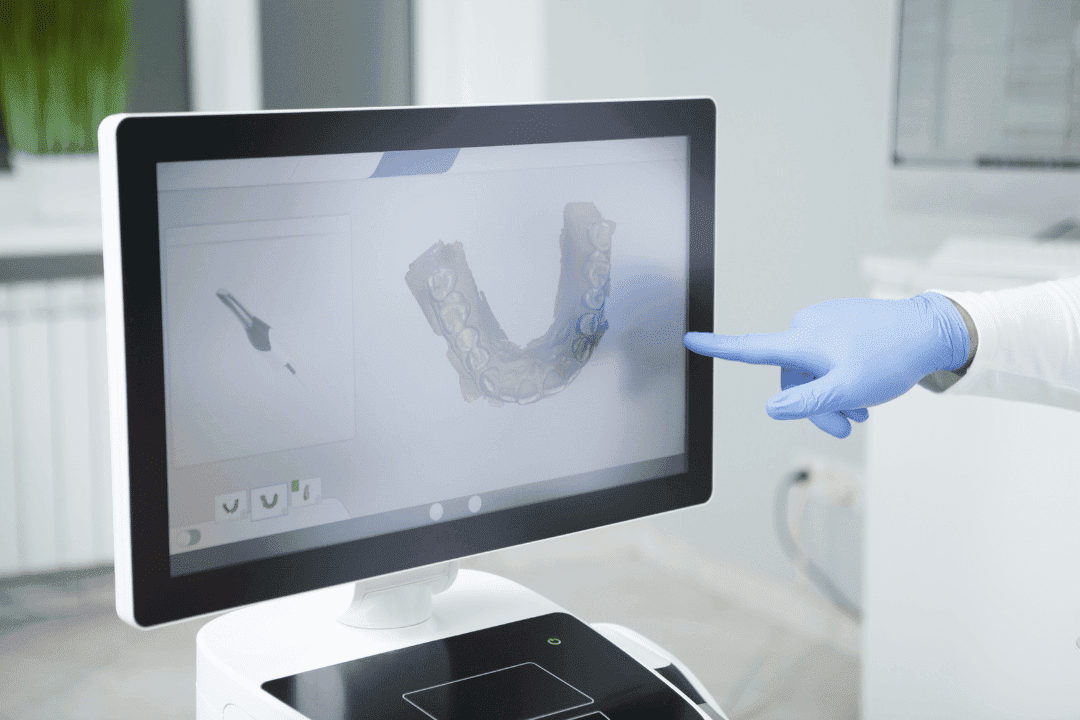
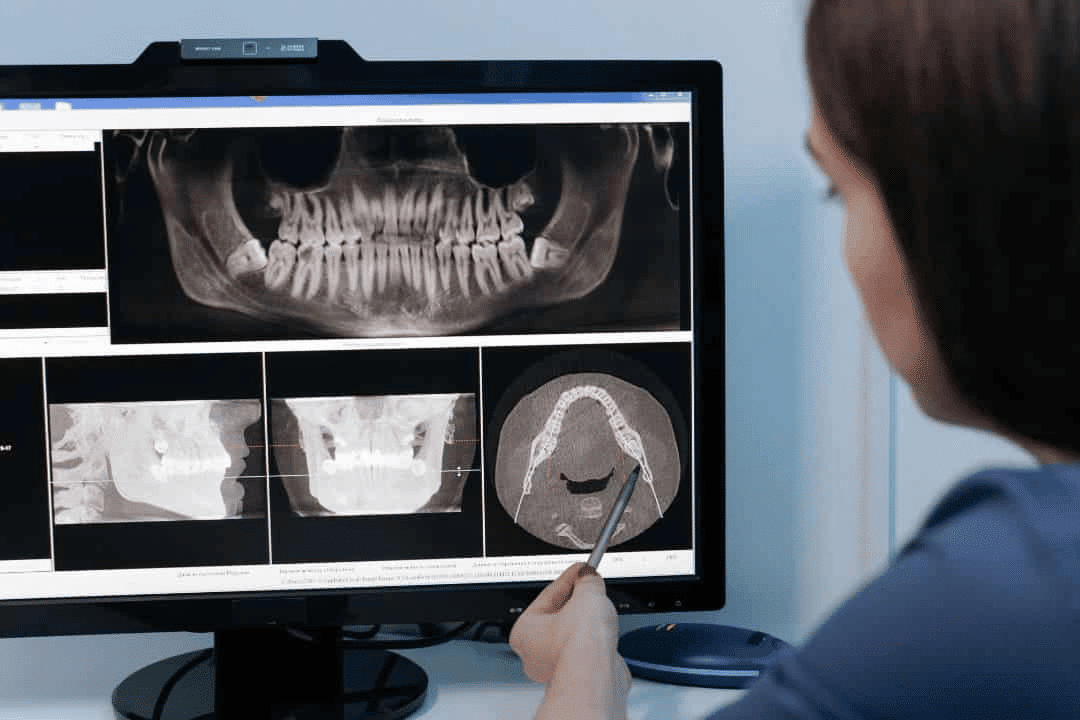
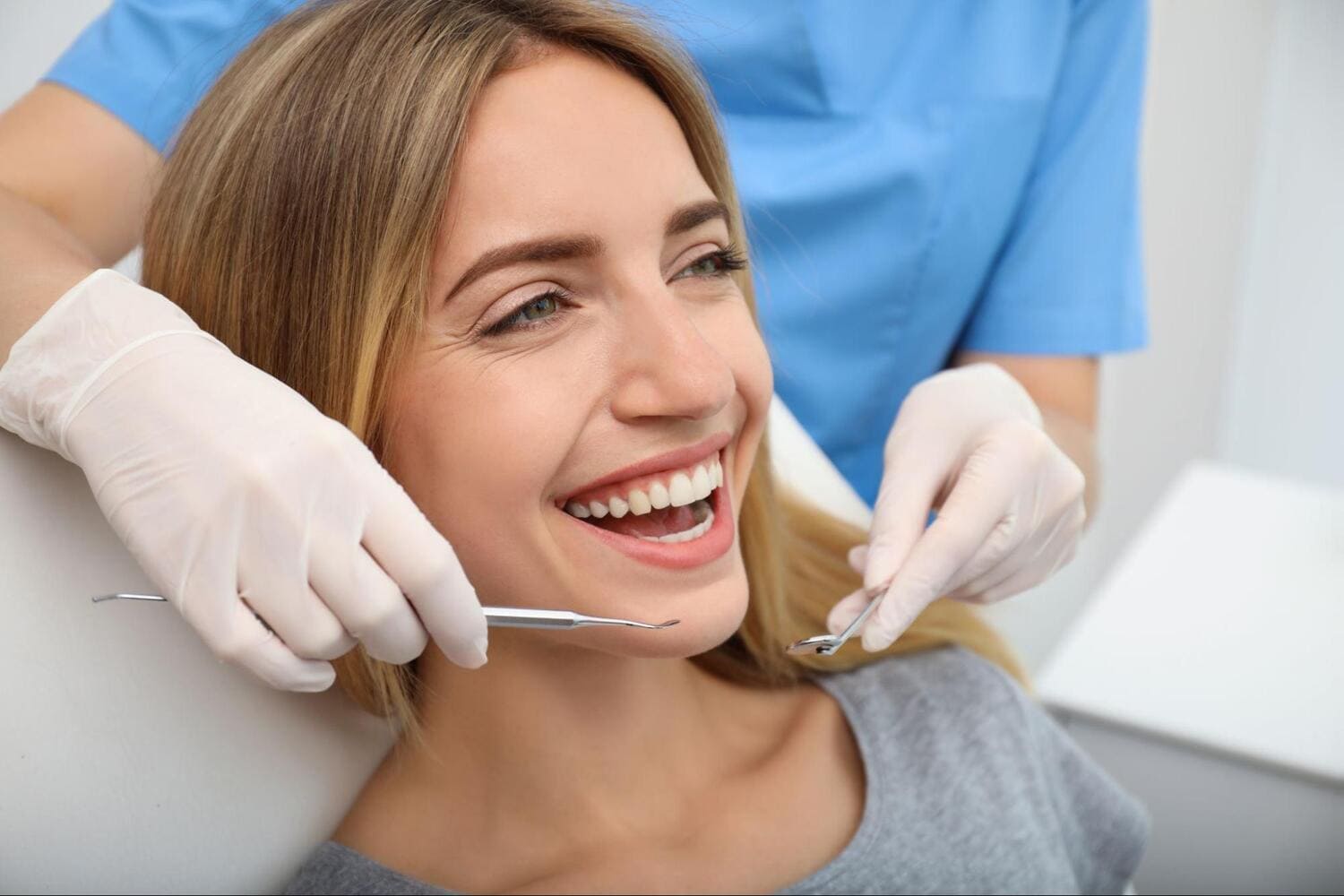
Understanding the process of getting self-ligating braces can help ease any anxiety for new patients. During the initial consultation, an orthodontist will evaluate your dental needs and create a personalized treatment plan, which will include the placement of the braces and a timeline for progress checks.
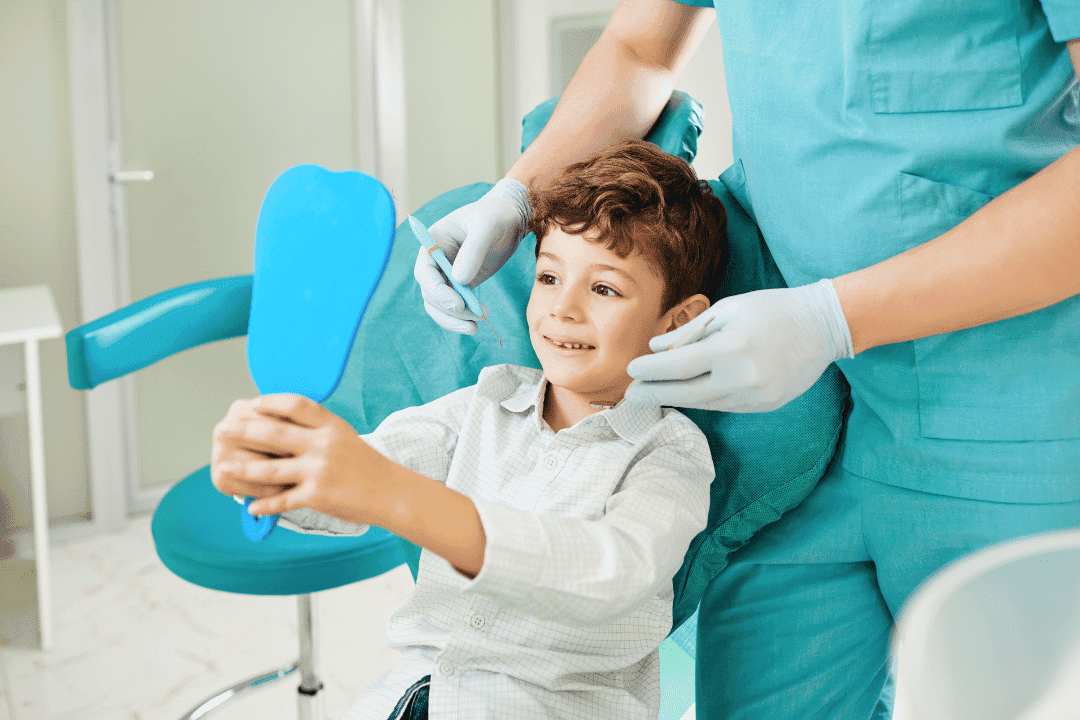
Throughout your treatment, patients can expect regular follow-ups to monitor progress, but these appointments may be less frequent compared to traditional braces. This streamlined approach not only saves time but also allows for a more comfortable experience as adjustments are typically less intensive.
Post-Treatment Care for Self-Ligating Braces: Maintaining Your New Smile
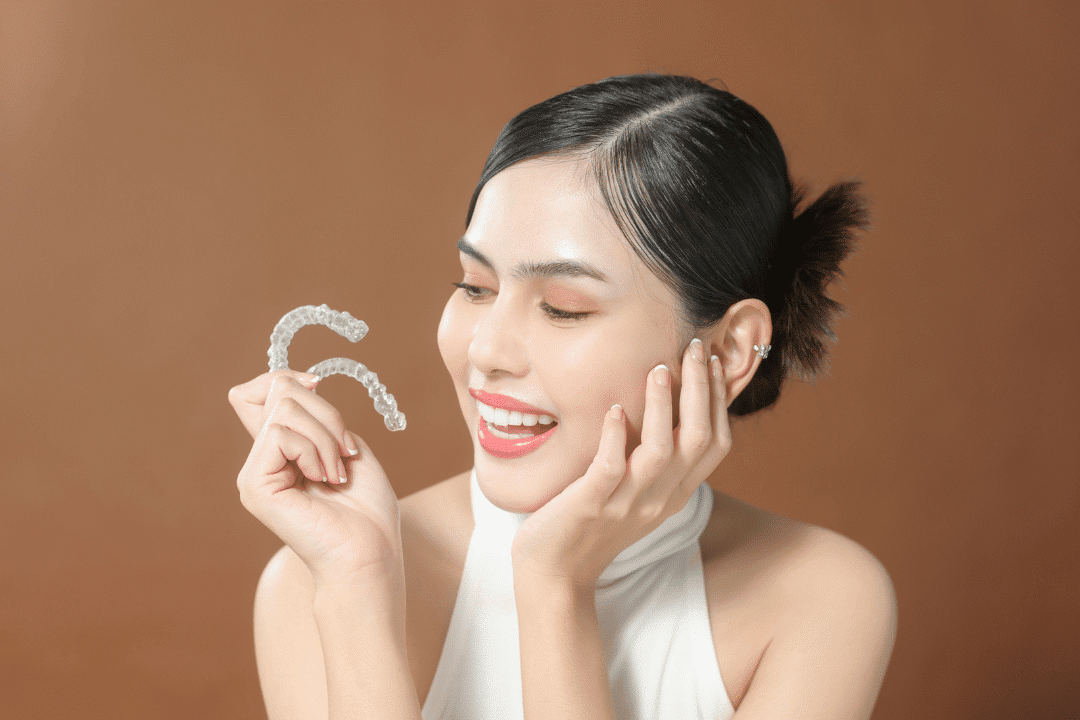
After completing your treatment with self-ligating braces, maintaining your new smile is crucial. Orthodontists typically recommend wearing a retainer to prevent teeth from shifting back to their original positions. This step is vital for preserving the results achieved during treatment.
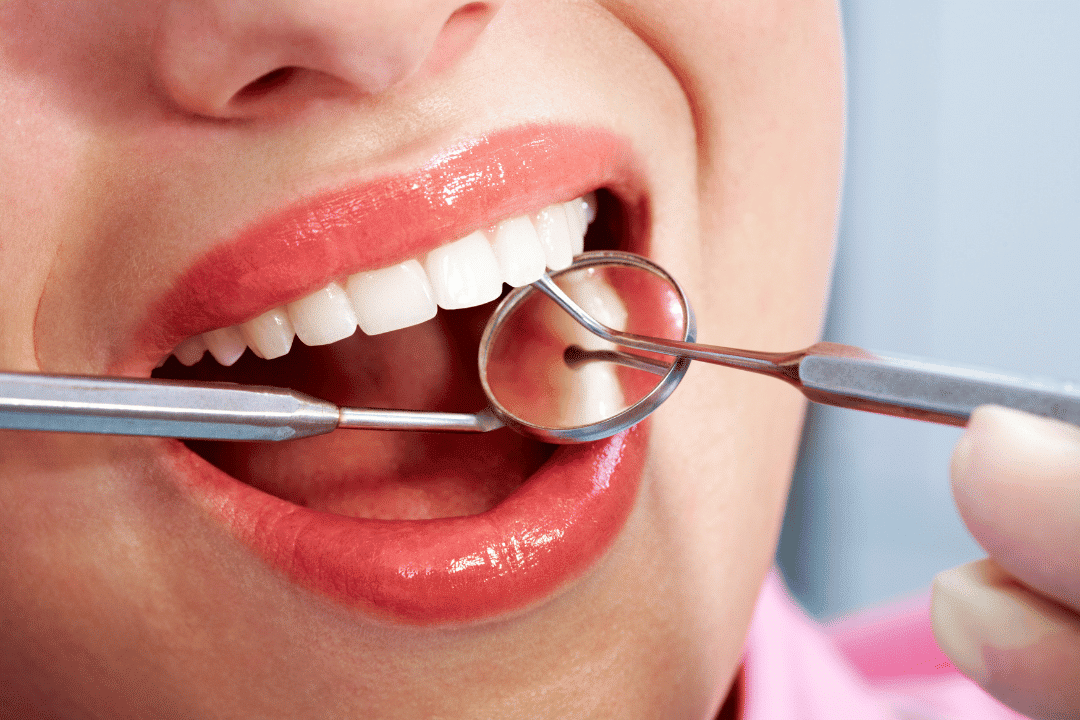
In addition to wearing a retainer, patients should continue practicing good oral hygiene, including regular brushing and flossing, to keep their teeth and gums healthy. Regular dental check-ups are also essential to ensure that your smile remains as beautiful as the day your braces were removed.
Understanding Self-Ligating Braces: Benefits and Considerations
Self-ligating braces offer a modern twist on traditional orthodontic treatment, utilizing a specialized clip mechanism to hold the wire in place. This design reduces friction and allows for a more efficient tooth movement, often leading to shorter treatment times and fewer office visits.
Patients often appreciate the aesthetic benefits of self-ligating braces, as they can be less noticeable than traditional braces. Additionally, the reduced need for tightening appointments can make the overall experience more comfortable and convenient, making them a popular choice among both teens and adults seeking orthodontic care.
Common Myths About Self-Ligating Braces Debunked
There are several misconceptions surrounding self-ligating braces that can deter patients from considering them as a viable treatment option. One common myth is that they are only suitable for mild orthodontic cases, when in reality, they can effectively treat a wide range of dental issues.
Another myth is that self-ligating braces are significantly more expensive than traditional braces. While the initial investment may be higher, many patients find that the reduced number of visits and faster treatment times can offset the costs, making them a cost-effective choice in the long run.
What to Expect During Your Self-Ligating Braces Journey
Understanding the process of getting self-ligating braces can help ease any anxiety for new patients. During the initial consultation, an orthodontist will evaluate your dental needs and create a personalized treatment plan, which will include the placement of the braces and a timeline for progress checks.
Throughout your treatment, patients can expect regular follow-ups to monitor progress, but these appointments may be less frequent compared to traditional braces. This streamlined approach not only saves time but also allows for a more comfortable experience as adjustments are typically less intensive.
Post-Treatment Care for Self-Ligating Braces: Maintaining Your New Smile
After completing your treatment with self-ligating braces, maintaining your new smile is crucial. Orthodontists typically recommend wearing a retainer to prevent teeth from shifting back to their original positions. This step is vital for preserving the results achieved during treatment.
In addition to wearing a retainer, patients should continue practicing good oral hygiene, including regular brushing and flossing, to keep their teeth and gums healthy. Regular dental check-ups are also essential to ensure that your smile remains as beautiful as the day your braces were removed.