Understanding Different Types of Braces: Metal, Ceramic, and Lingual Options
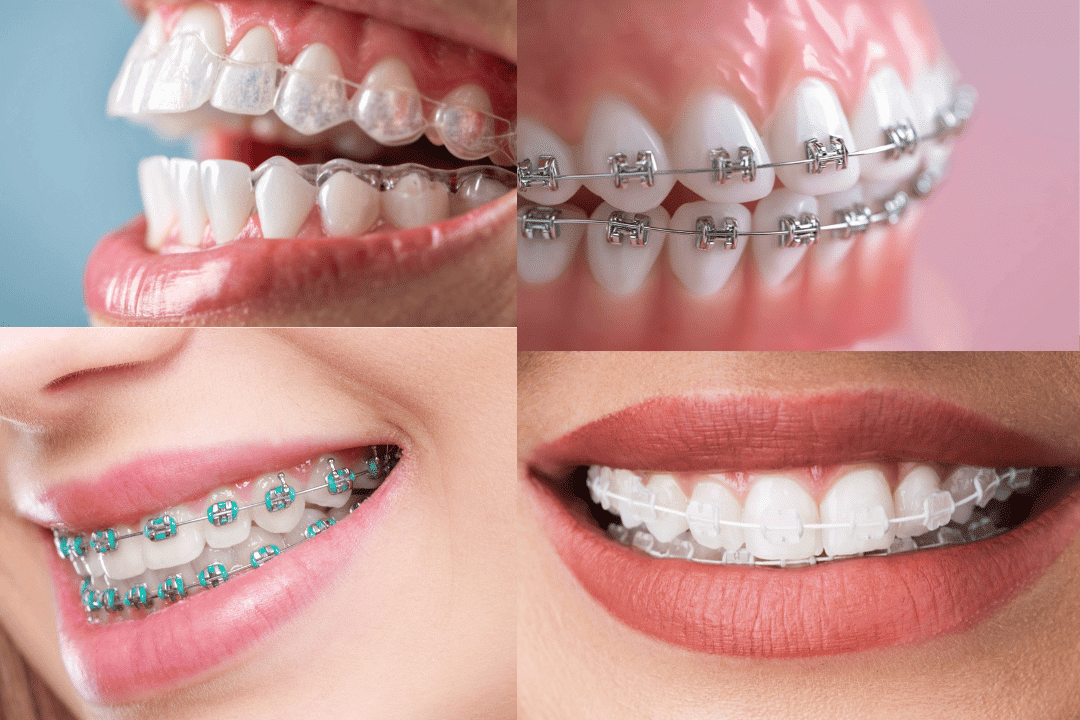
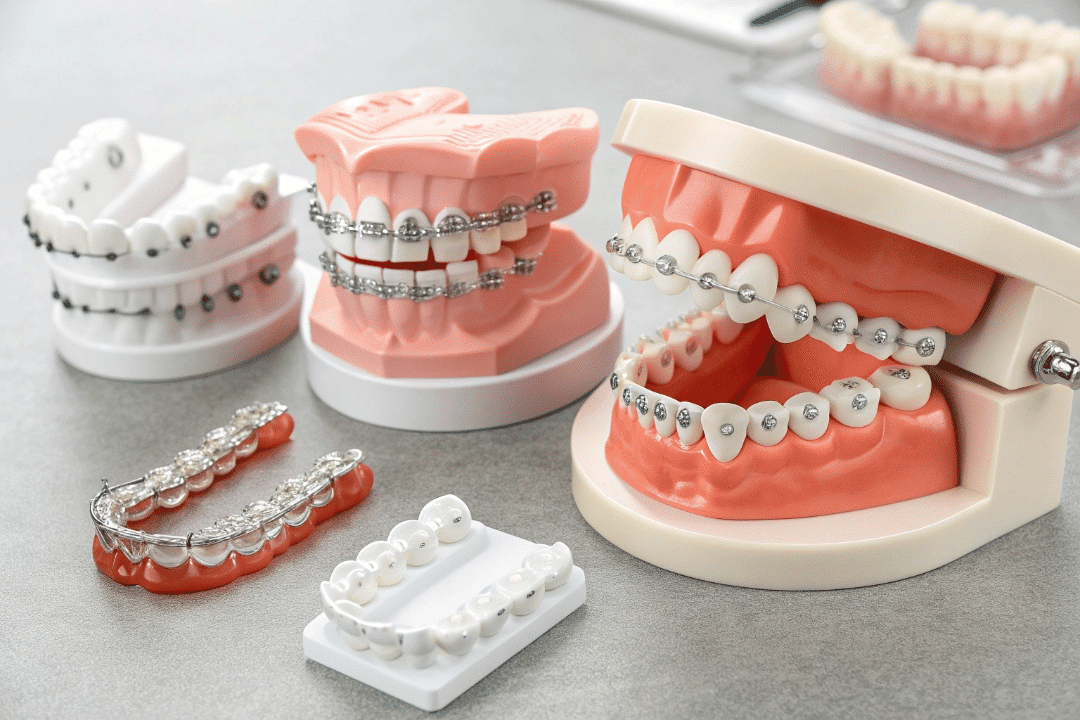
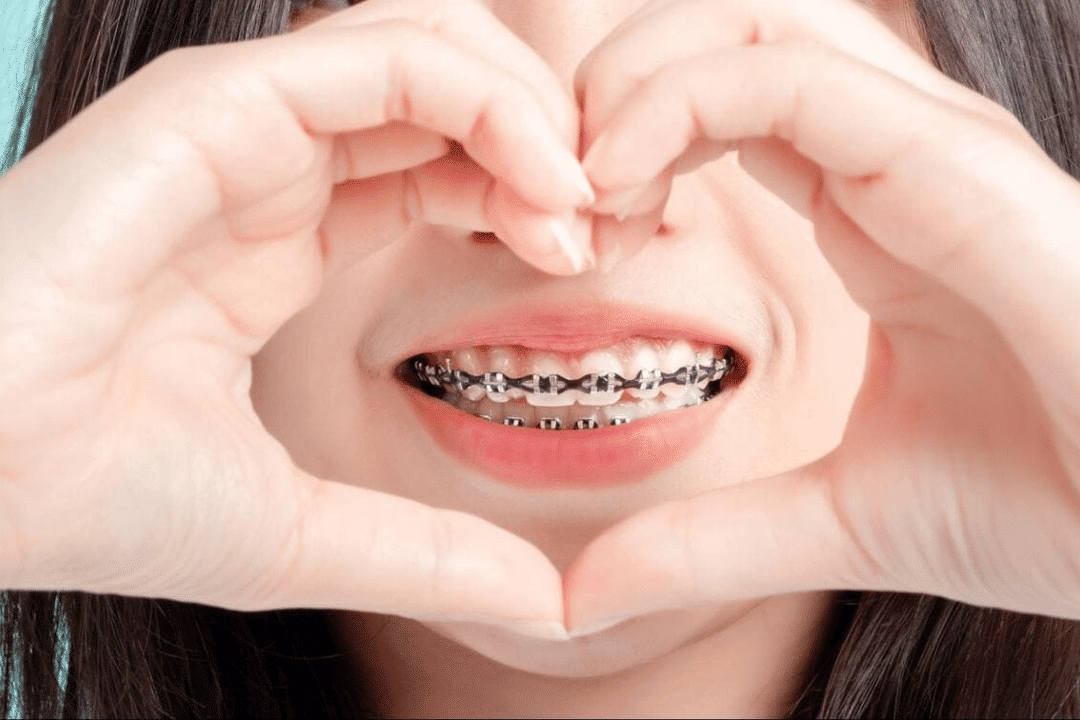
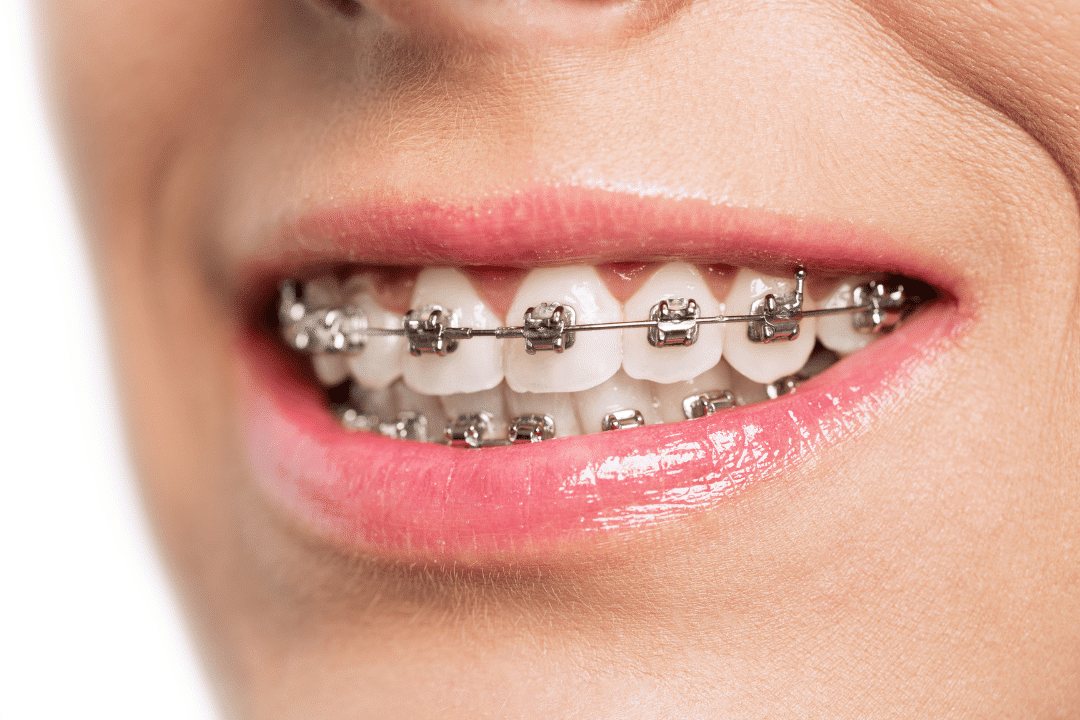
Choosing the right type of braces is crucial for achieving the desired smile. Metal braces are the most common and are known for their durability and effectiveness, while ceramic braces offer a more aesthetic option that blends with the teeth. Lingual braces, placed behind the teeth, provide a discreet solution for those who prefer not to showcase their orthodontic treatment.
Each type of braces has its own advantages and considerations. For example, metal braces are typically more affordable and can handle complex cases efficiently. Ceramic braces, while less visible, may require more care to avoid staining. Lingual braces can be less comfortable initially, but they are ideal for individuals seeking an invisible treatment option.
The Role of Retainers After Orthodontic Treatment: Maintaining Your New Smile
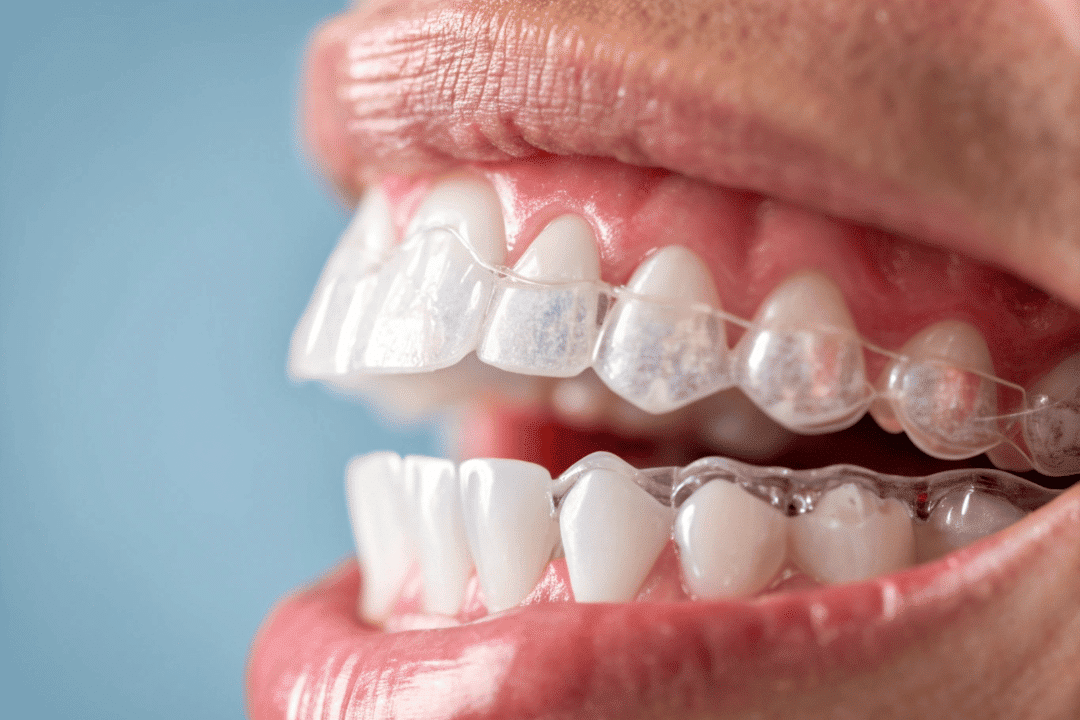
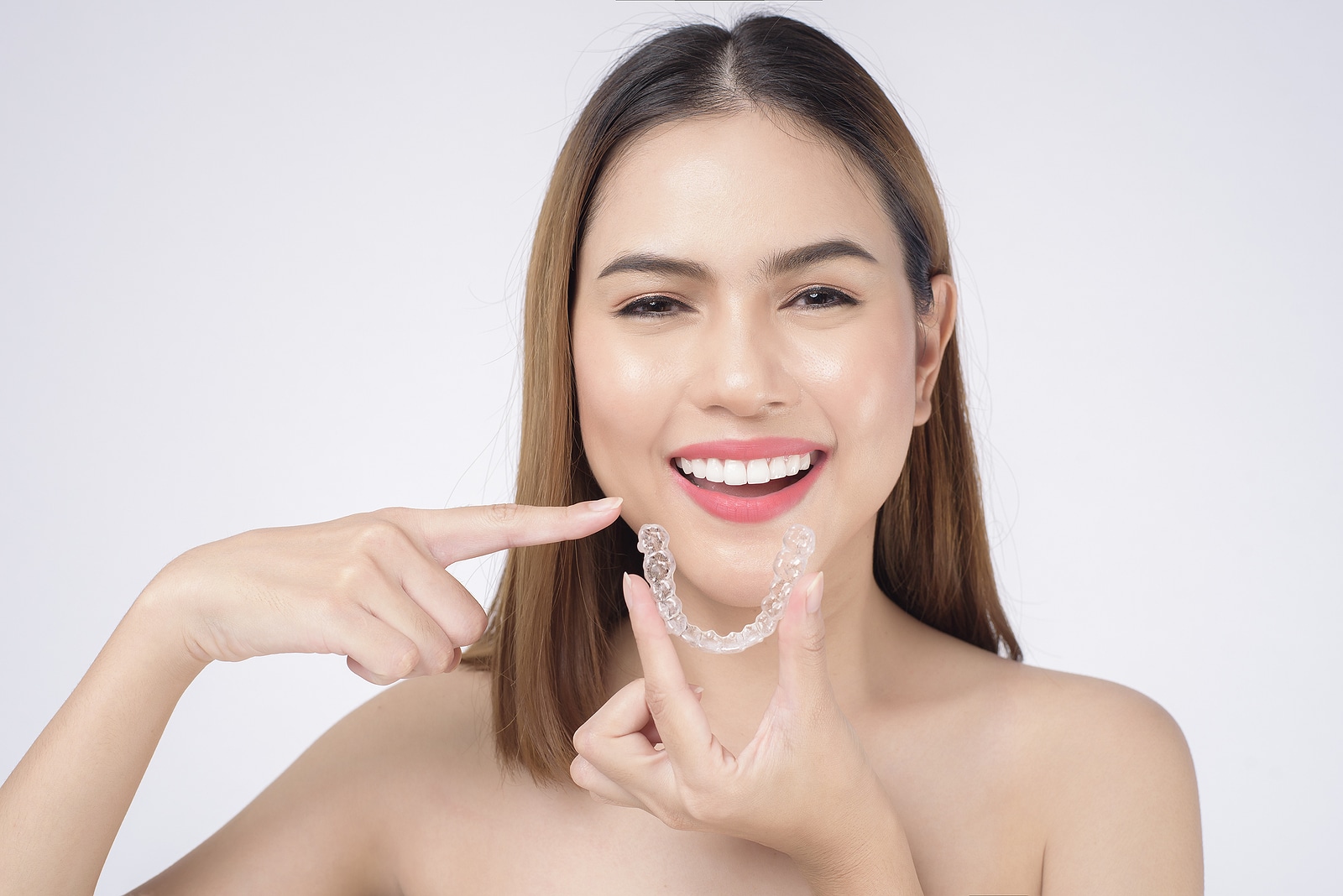
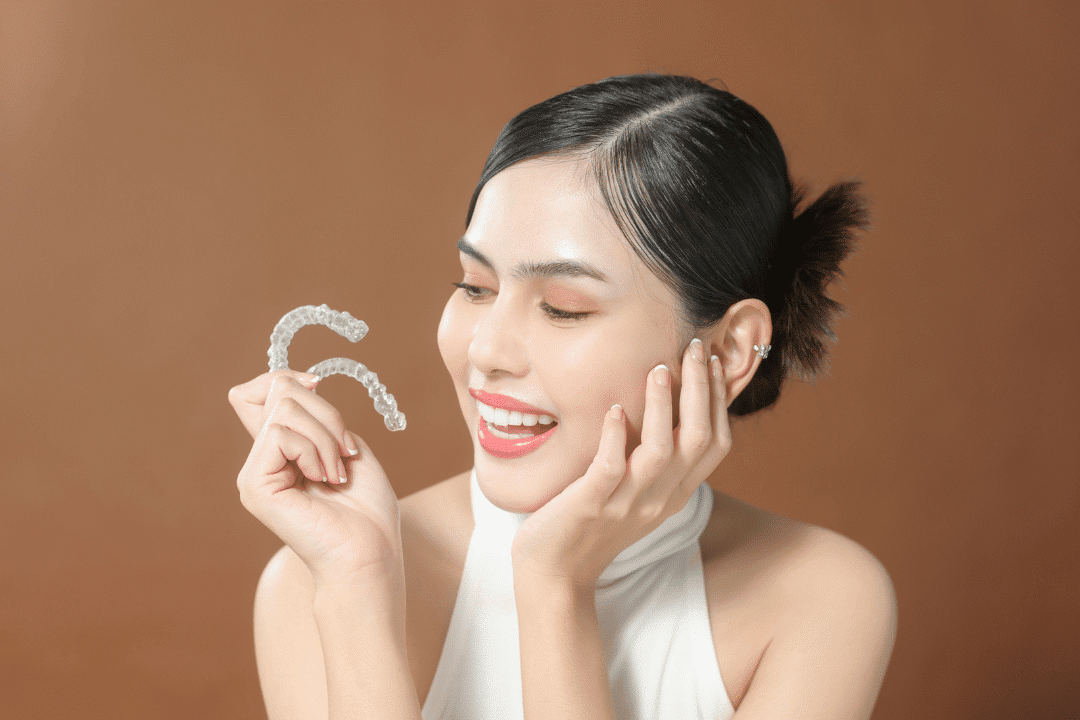
Once orthodontic treatment is complete, retainers play a vital role in ensuring that teeth remain in their new positions. Retainers help prevent the natural tendency of teeth to shift back to their original alignment, making them essential for long-term success. Patients are often advised to wear retainers full-time initially, transitioning to nighttime wear as time goes on.
There are different types of retainers, including fixed and removable options. Fixed retainers are bonded to the back of the teeth for continuous support, while removable retainers can be taken out for eating and cleaning. Understanding the importance of retainers can significantly impact the longevity of orthodontic results.
Orthodontic Emergencies: What to Do When Something Goes Wrong
Orthodontic emergencies can arise unexpectedly, and knowing how to handle them can save both time and discomfort. Common issues include broken brackets, loose wires, or discomfort from the braces. It’s important for patients to have a plan in place for these situations, including when to call the orthodontist for assistance.
For minor issues, patients can often manage discomfort with over-the-counter pain relief or by applying orthodontic wax to irritate areas. However, if a bracket breaks or a wire becomes dislodged, contacting the orthodontic office for guidance is crucial to prevent further complications and ensure the treatment timeline remains on track.
How Lifestyle Choices Affect Orthodontic Treatment: Foods to Avoid and Habits to Maintain
Lifestyle choices can significantly impact the effectiveness of orthodontic treatment. Certain foods, especially hard or sticky items, can damage braces and prolong treatment time. Patients are encouraged to avoid chewing gum, hard candies, and crunchy vegetables to maintain the integrity of their orthodontic appliances.
In addition to dietary considerations, habits like nail-biting or using teeth to open packages can also hinder progress. Maintaining good oral hygiene is equally important; regular brushing and flossing help prevent cavities and gum disease, ensuring a healthier mouth during treatment. Educating patients on these lifestyle factors can lead to more successful outcomes.
Understanding Different Types of Braces: Metal, Ceramic, and Lingual Options
Choosing the right type of braces is crucial for achieving the desired smile. Metal braces are the most common and are known for their durability and effectiveness, while ceramic braces offer a more aesthetic option that blends with the teeth. Lingual braces, placed behind the teeth, provide a discreet solution for those who prefer not to showcase their orthodontic treatment.
Each type of braces has its own advantages and considerations. For example, metal braces are typically more affordable and can handle complex cases efficiently. Ceramic braces, while less visible, may require more care to avoid staining. Lingual braces can be less comfortable initially, but they are ideal for individuals seeking an invisible treatment option.
The Role of Retainers After Orthodontic Treatment: Maintaining Your New Smile
Once orthodontic treatment is complete, retainers play a vital role in ensuring that teeth remain in their new positions. Retainers help prevent the natural tendency of teeth to shift back to their original alignment, making them essential for long-term success. Patients are often advised to wear retainers full-time initially, transitioning to nighttime wear as time goes on.
There are different types of retainers, including fixed and removable options. Fixed retainers are bonded to the back of the teeth for continuous support, while removable retainers can be taken out for eating and cleaning. Understanding the importance of retainers can significantly impact the longevity of orthodontic results.
Orthodontic Emergencies: What to Do When Something Goes Wrong
Orthodontic emergencies can arise unexpectedly, and knowing how to handle them can save both time and discomfort. Common issues include broken brackets, loose wires, or discomfort from the braces. It’s important for patients to have a plan in place for these situations, including when to call the orthodontist for assistance.
For minor issues, patients can often manage discomfort with over-the-counter pain relief or by applying orthodontic wax to irritate areas. However, if a bracket breaks or a wire becomes dislodged, contacting the orthodontic office for guidance is crucial to prevent further complications and ensure the treatment timeline remains on track.
How Lifestyle Choices Affect Orthodontic Treatment: Foods to Avoid and Habits to Maintain
Lifestyle choices can significantly impact the effectiveness of orthodontic treatment. Certain foods, especially hard or sticky items, can damage braces and prolong treatment time. Patients are encouraged to avoid chewing gum, hard candies, and crunchy vegetables to maintain the integrity of their orthodontic appliances.
In addition to dietary considerations, habits like nail-biting or using teeth to open packages can also hinder progress. Maintaining good oral hygiene is equally important; regular brushing and flossing help prevent cavities and gum disease, ensuring a healthier mouth during treatment. Educating patients on these lifestyle factors can lead to more successful outcomes.