Understanding the Different Stages of Orthodontic Treatment
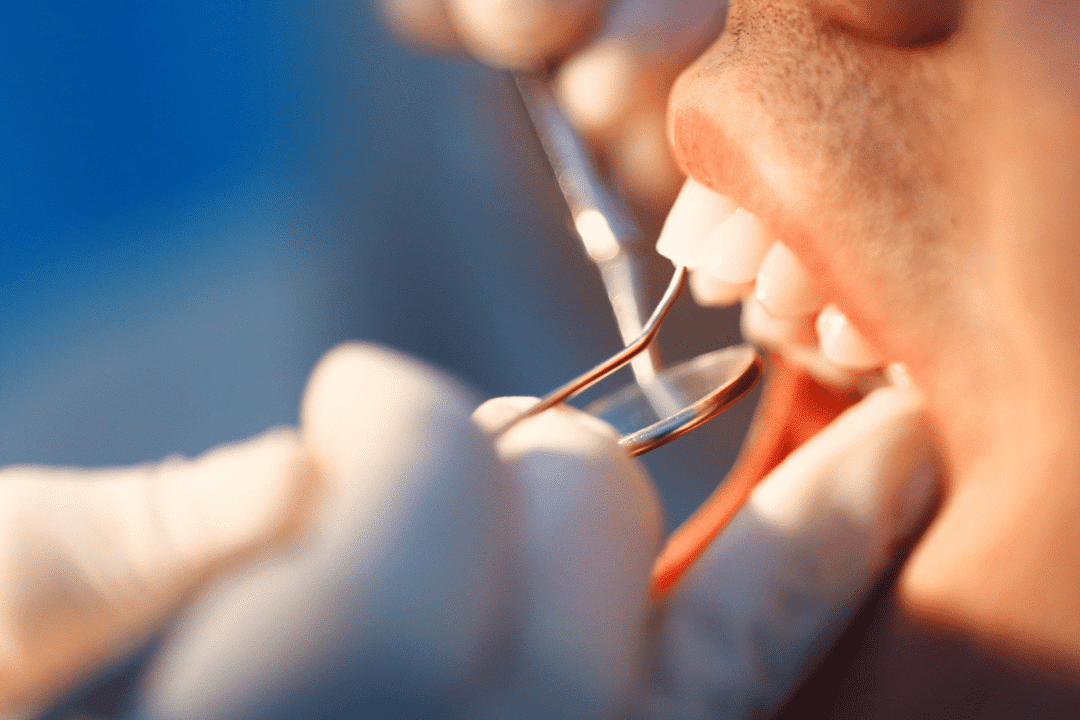
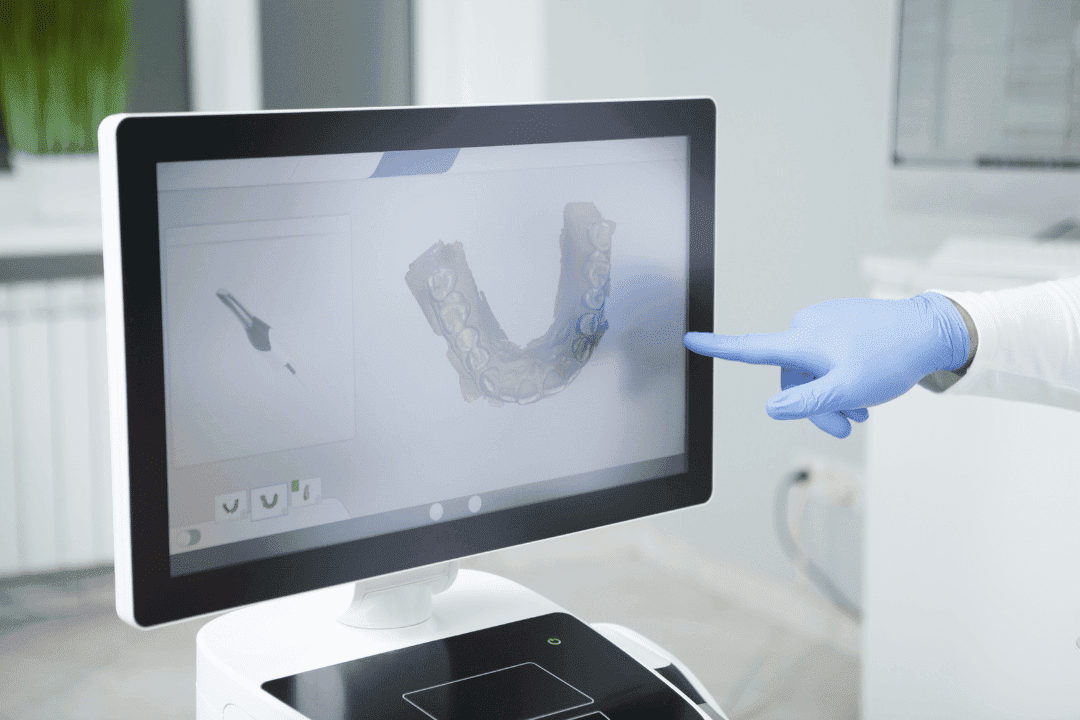
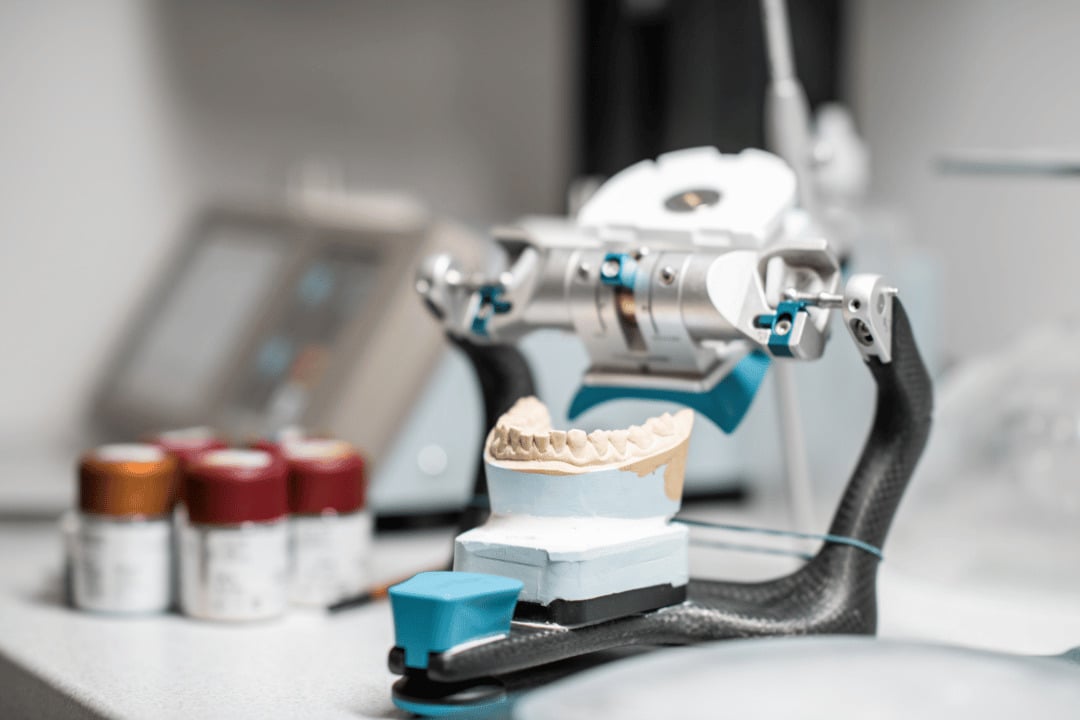
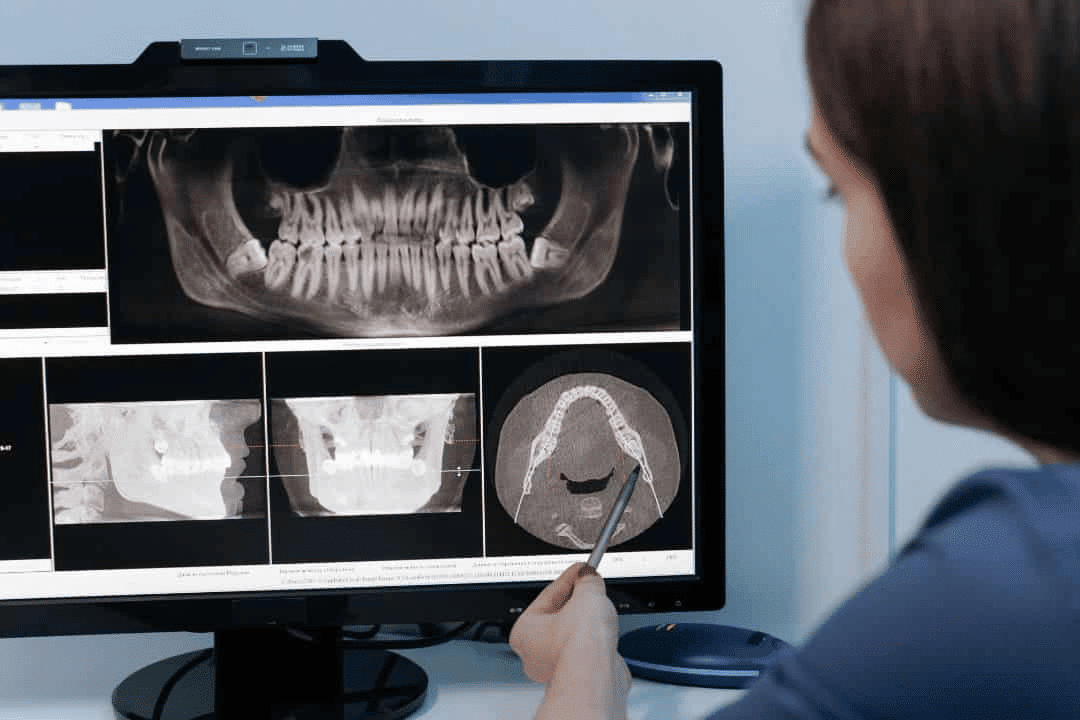
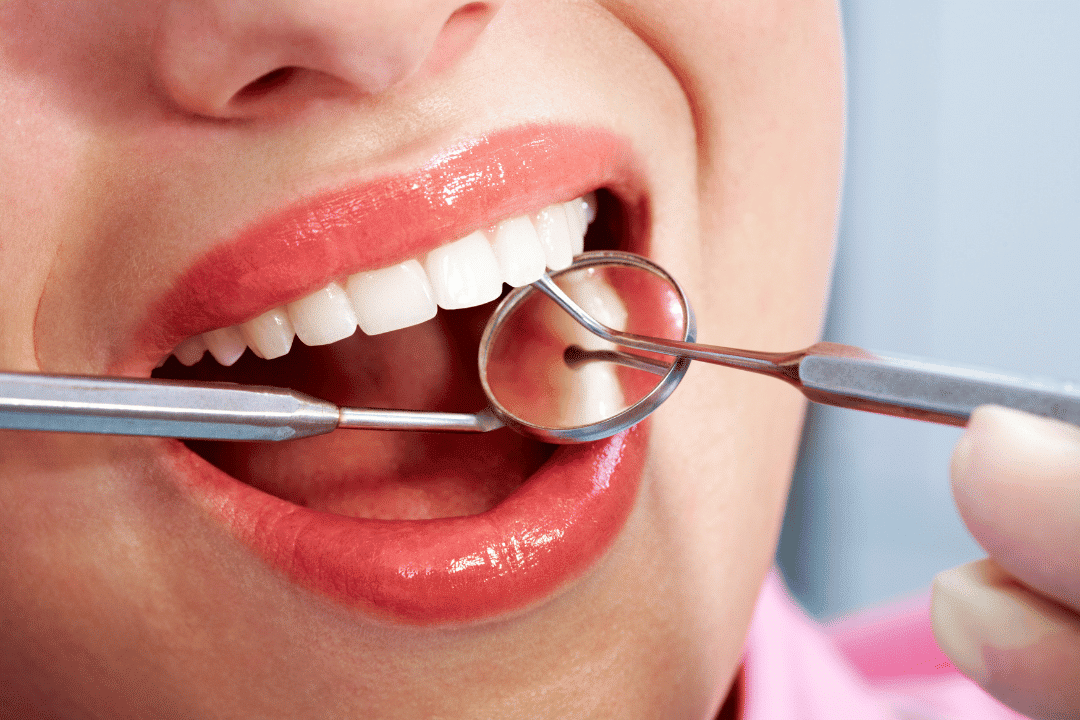
Orthodontic treatment typically unfolds in several stages, each crucial for achieving the desired result. The initial phase often involves a comprehensive evaluation, including X-rays and impressions, to assess the alignment of teeth and the overall dental structure. Following this assessment, a customized treatment plan is developed, outlining the specific procedures and timeline tailored to the patient's needs.
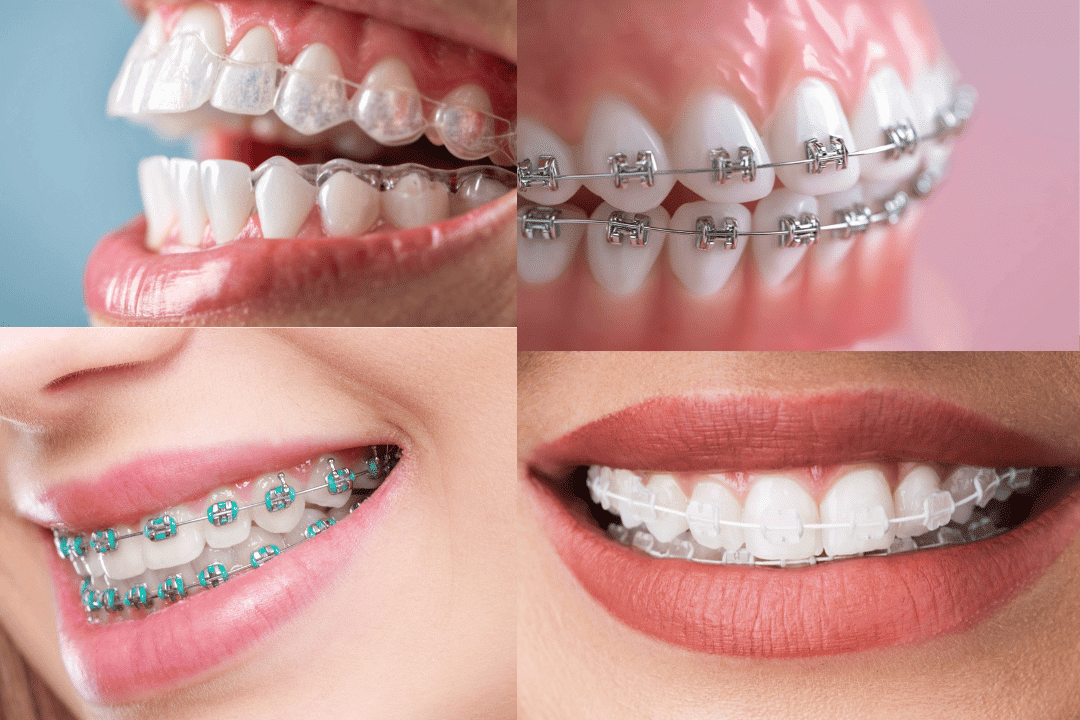
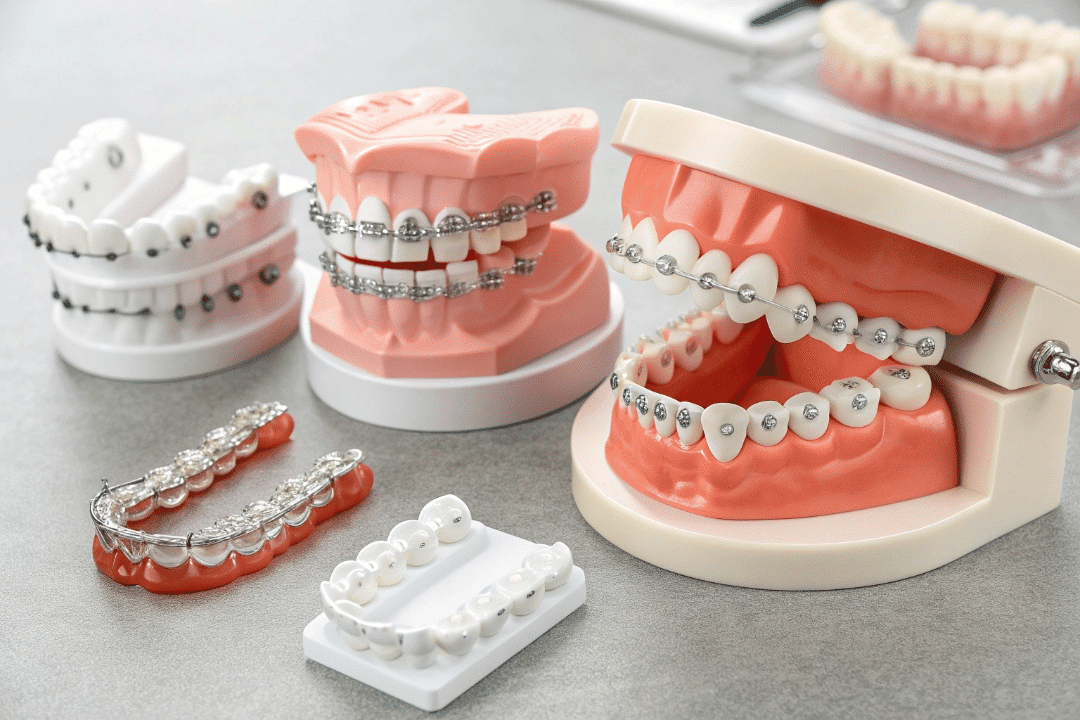
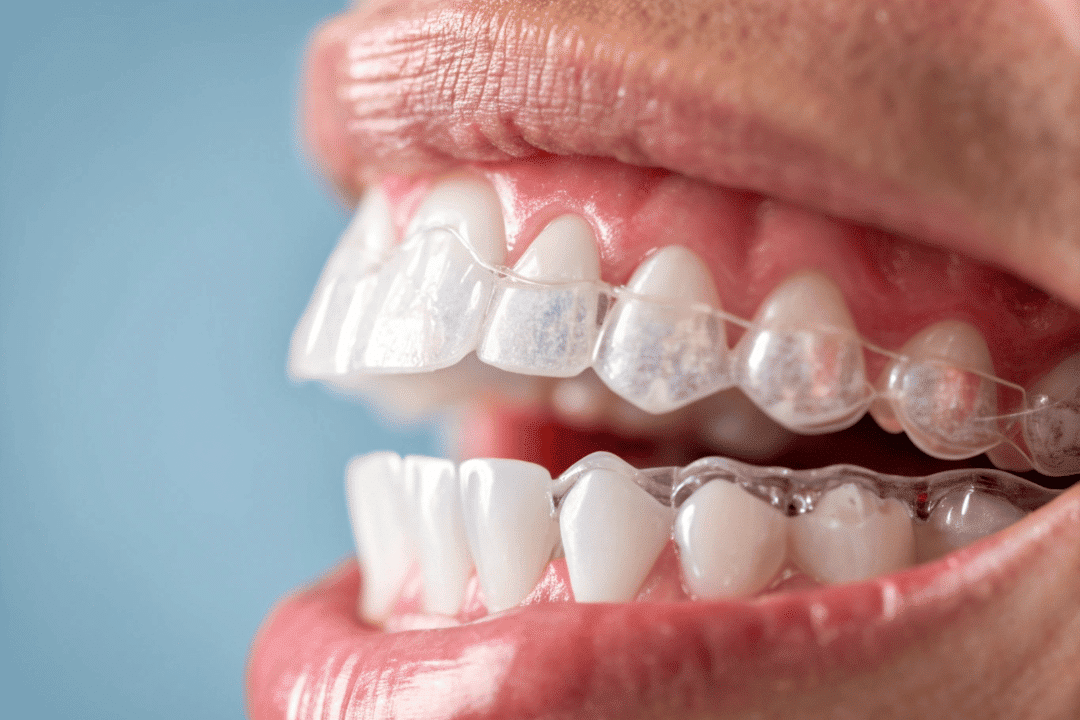
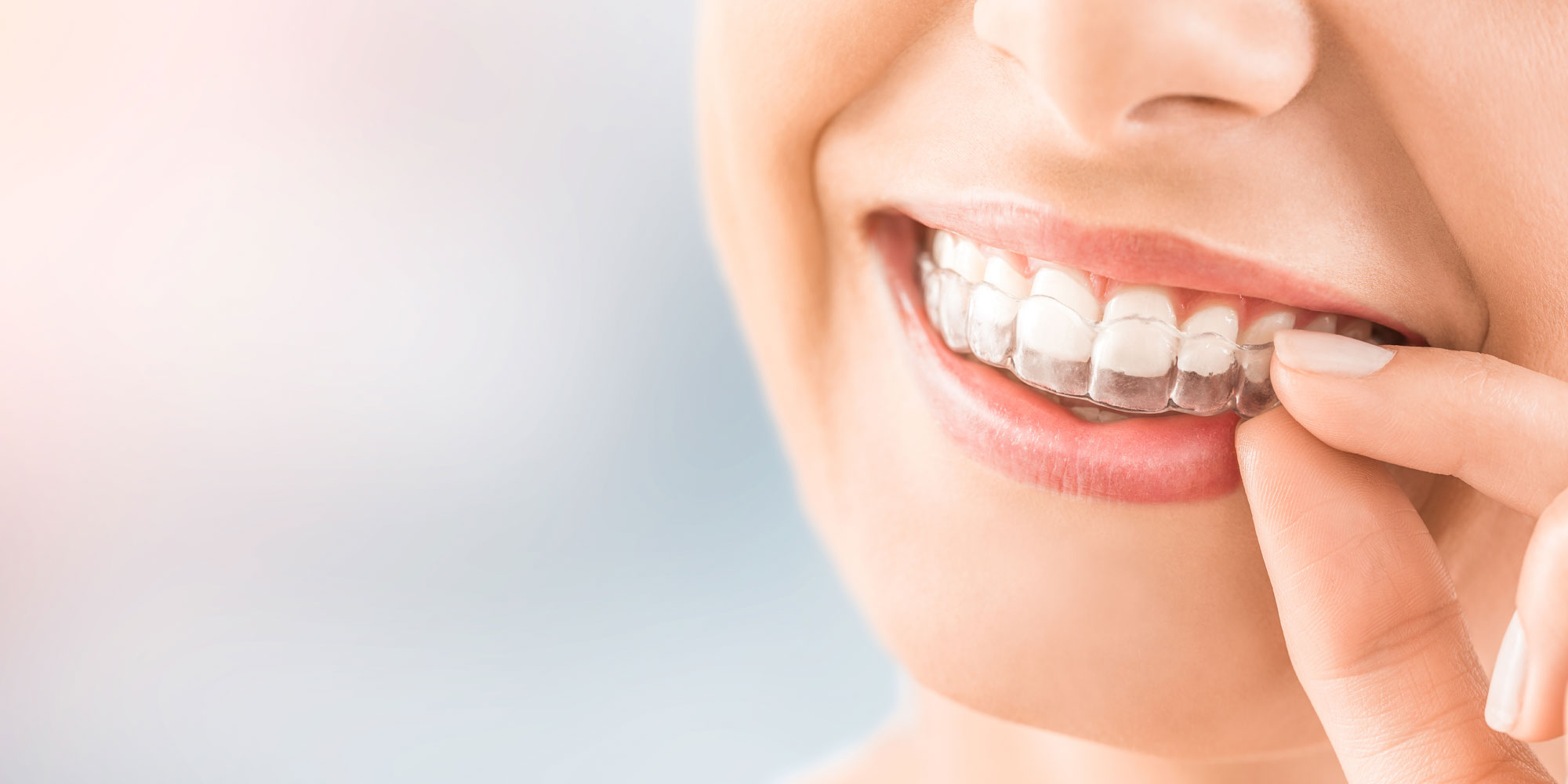
As treatment progresses, patients may transition through various stages, including active treatment with braces or aligners, adjustments to ensure optimal movement, and finally, retention to maintain the achieved results. Understanding these stages helps patients set realistic expectations and enhances their engagement in the treatment process, ultimately leading to a more successful outcome.
Common Myths About Orthodontic Treatments Debunked
Many misconceptions surround orthodontic treatments, which can lead to confusion and hesitation among potential patients. One common myth is that orthodontics is only for children and teenagers; however, adults can also benefit significantly from orthodontic care, with treatments tailored to their specific needs and lifestyle.
Another prevalent myth is that braces are only for cosmetic reasons. In reality, orthodontic treatments can improve oral health by correcting bite issues, enhancing chewing function, and preventing long-term dental problems. By debunking these myths, patients can make informed decisions about their orthodontic care and understand the broader benefits of treatment.
Tips for Maintaining Oral Hygiene with Braces
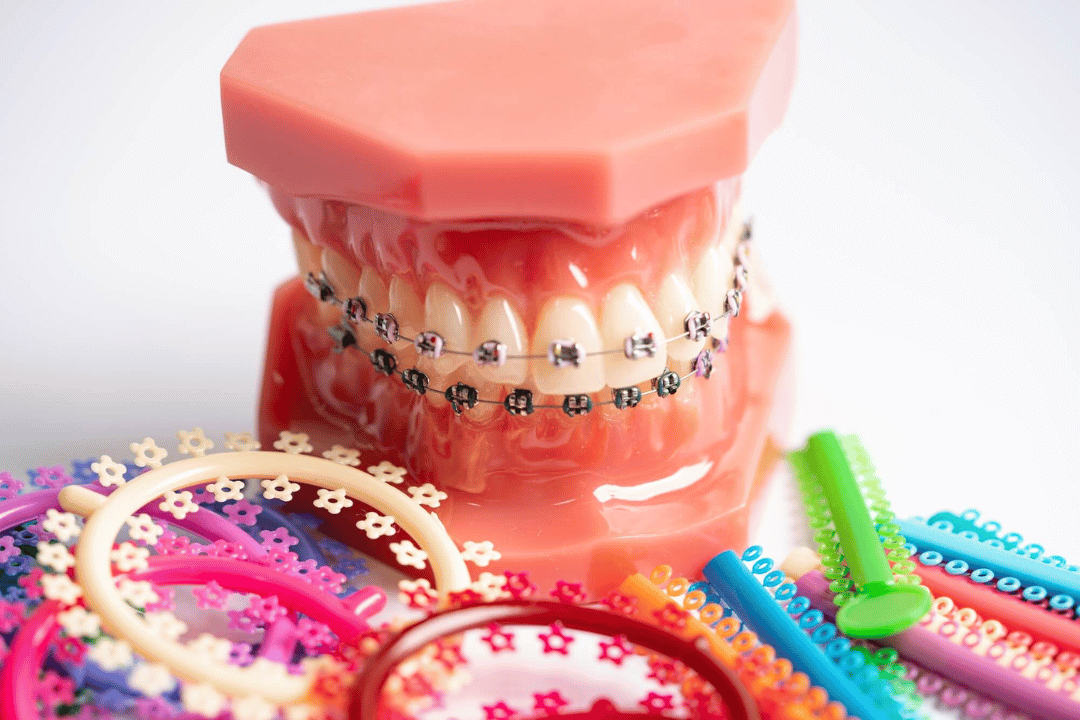
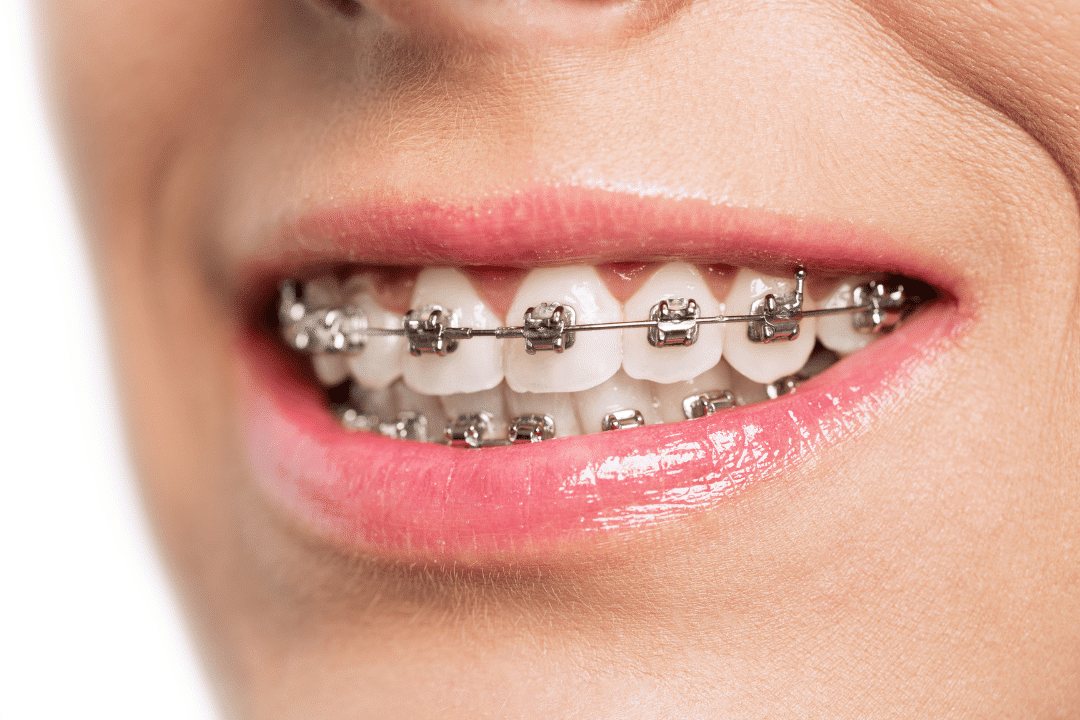
Maintaining oral hygiene during orthodontic treatment is essential for preventing cavities and gum disease. Patients with braces must adopt a more diligent oral care routine, which includes brushing after every meal and using specialized tools like interdental brushes and floss threaders to clean around brackets and wires effectively.
In addition to regular brushing and flossing, it’s crucial to avoid certain foods that can damage braces, such as hard candies and sticky snacks. Regular visits to the orthodontist for adjustments and cleanings also play a vital role in ensuring that oral hygiene is upheld throughout the treatment process.
The Role of Nutrition in Orthodontic Health
Nutrition plays a significant role in the effectiveness of orthodontic treatment and overall oral health. A balanced diet rich in vitamins and minerals supports healthy teeth and gums, which are essential for optimal orthodontic outcomes. Foods high in calcium, like dairy products, and those rich in vitamin C, such as fruits and vegetables, can help strengthen teeth and tissues.
Conversely, a diet high in sugar can lead to plaque buildup and tooth decay, which may complicate orthodontic treatment. Patients should be encouraged to make healthier food choices and stay hydrated, as proper nutrition not only aids in the success of orthodontic treatment but also contributes to long-term oral health.
Understanding the Different Stages of Orthodontic Treatment
Orthodontic treatment typically unfolds in several stages, each crucial for achieving the desired result. The initial phase often involves a comprehensive evaluation, including X-rays and impressions, to assess the alignment of teeth and the overall dental structure. Following this assessment, a customized treatment plan is developed, outlining the specific procedures and timeline tailored to the patient's needs.
As treatment progresses, patients may transition through various stages, including active treatment with braces or aligners, adjustments to ensure optimal movement, and finally, retention to maintain the achieved results. Understanding these stages helps patients set realistic expectations and enhances their engagement in the treatment process, ultimately leading to a more successful outcome.
Common Myths About Orthodontic Treatments Debunked
Many misconceptions surround orthodontic treatments, which can lead to confusion and hesitation among potential patients. One common myth is that orthodontics is only for children and teenagers; however, adults can also benefit significantly from orthodontic care, with treatments tailored to their specific needs and lifestyle.
Another prevalent myth is that braces are only for cosmetic reasons. In reality, orthodontic treatments can improve oral health by correcting bite issues, enhancing chewing function, and preventing long-term dental problems. By debunking these myths, patients can make informed decisions about their orthodontic care and understand the broader benefits of treatment.
Tips for Maintaining Oral Hygiene with Braces
Maintaining oral hygiene during orthodontic treatment is essential for preventing cavities and gum disease. Patients with braces must adopt a more diligent oral care routine, which includes brushing after every meal and using specialized tools like interdental brushes and floss threaders to clean around brackets and wires effectively.
In addition to regular brushing and flossing, it’s crucial to avoid certain foods that can damage braces, such as hard candies and sticky snacks. Regular visits to the orthodontist for adjustments and cleanings also play a vital role in ensuring that oral hygiene is upheld throughout the treatment process.
The Role of Nutrition in Orthodontic Health
Nutrition plays a significant role in the effectiveness of orthodontic treatment and overall oral health. A balanced diet rich in vitamins and minerals supports healthy teeth and gums, which are essential for optimal orthodontic outcomes. Foods high in calcium, like dairy products, and those rich in vitamin C, such as fruits and vegetables, can help strengthen teeth and tissues.
Conversely, a diet high in sugar can lead to plaque buildup and tooth decay, which may complicate orthodontic treatment. Patients should be encouraged to make healthier food choices and stay hydrated, as proper nutrition not only aids in the success of orthodontic treatment but also contributes to long-term oral health.