Understanding Different Types of Braces: Traditional vs. Modern Options
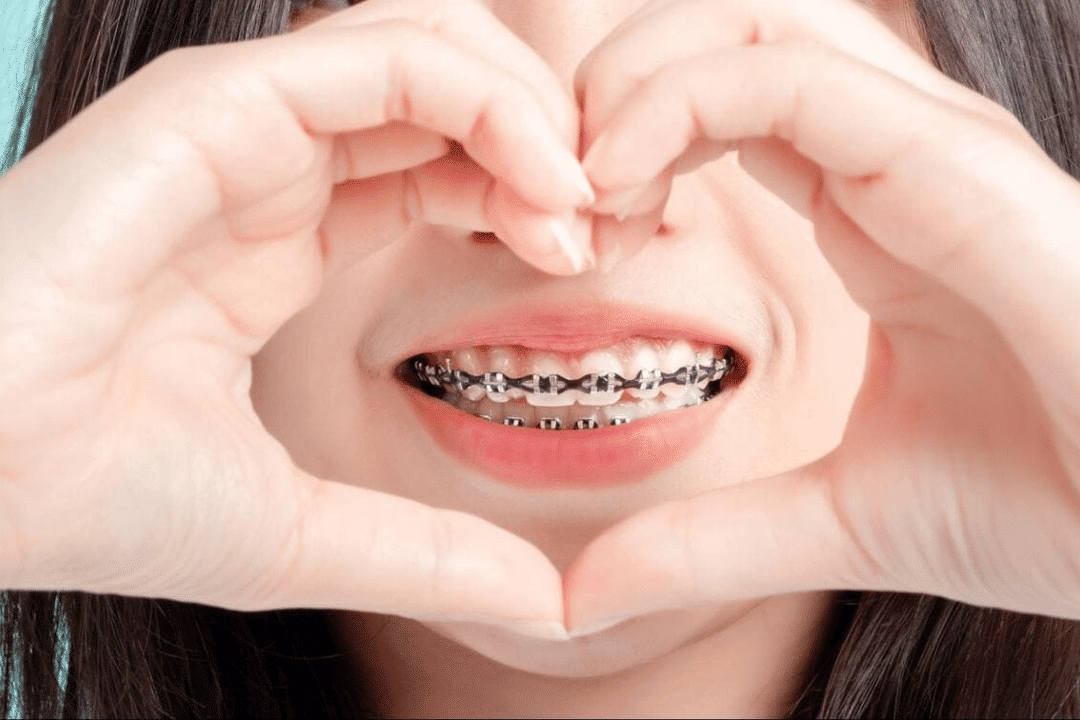
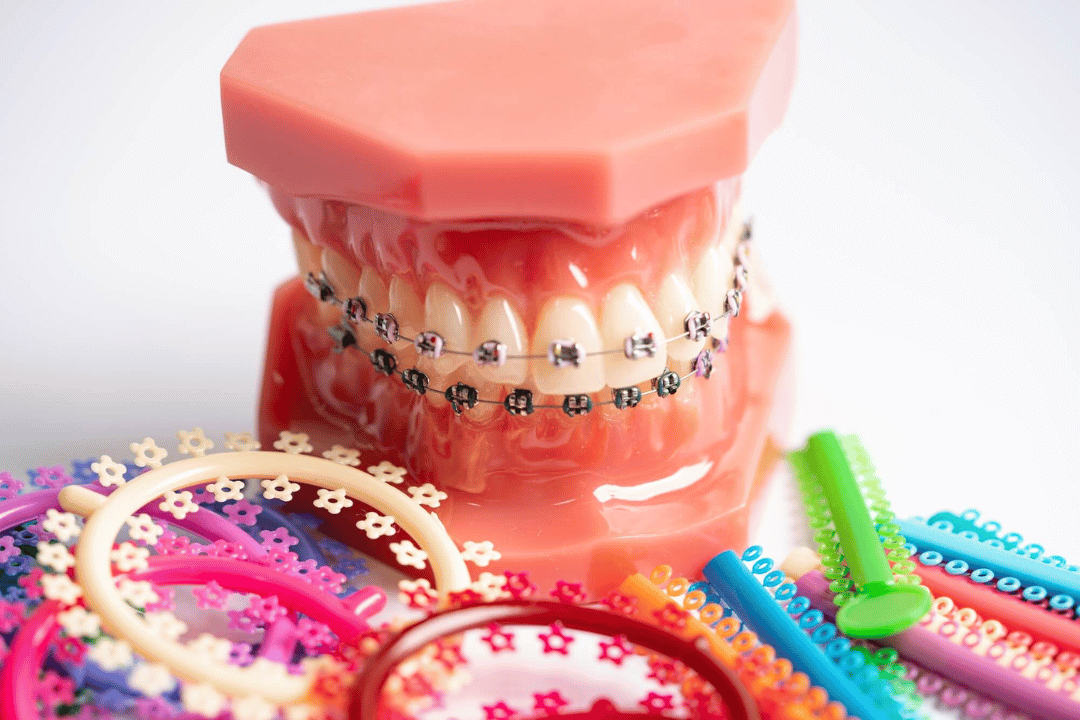
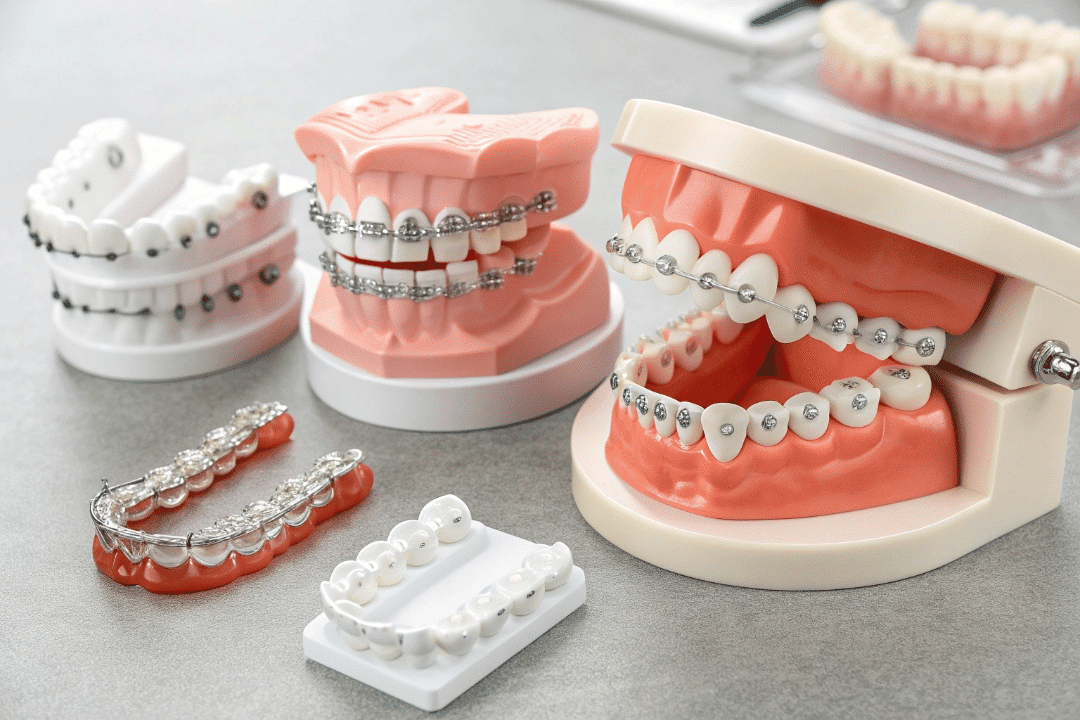
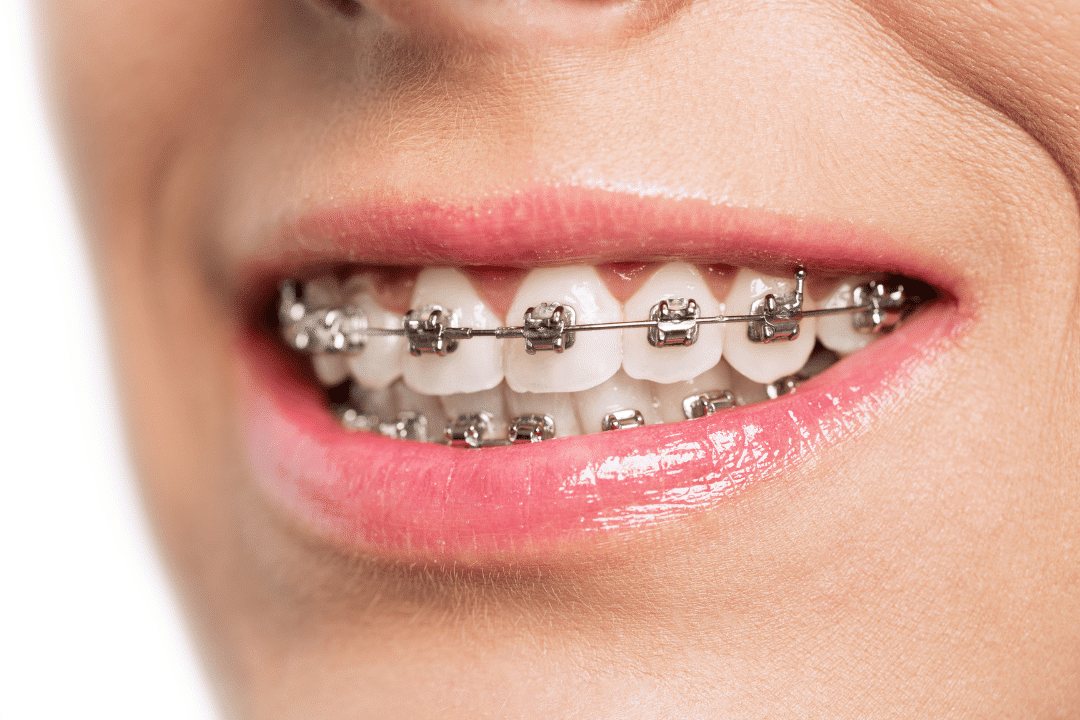
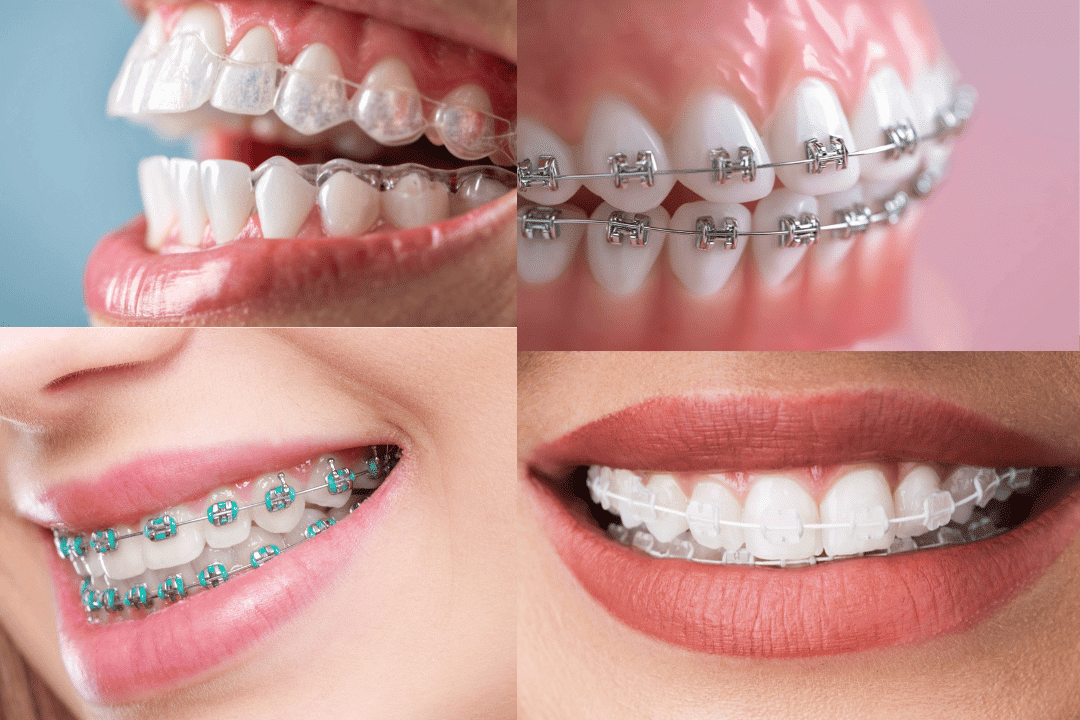
Choosing the right type of braces is crucial for achieving the desired smile effectively. Traditional metal braces are the most common and are known for their durability and effectiveness in treating various orthodontic issues. However, modern options such as ceramic braces and lingual braces offer more discreet alternatives for those concerned about aesthetics.
Each type of braces has its own advantages and disadvantages. For instance, ceramic braces blend in with the natural color of teeth, making them less noticeable, while lingual braces are placed on the back of the teeth, providing an invisible solution. Understanding these differences can help patients make informed decisions based on their lifestyle and treatment goals.
The Role of Retainers After Orthodontic Treatment
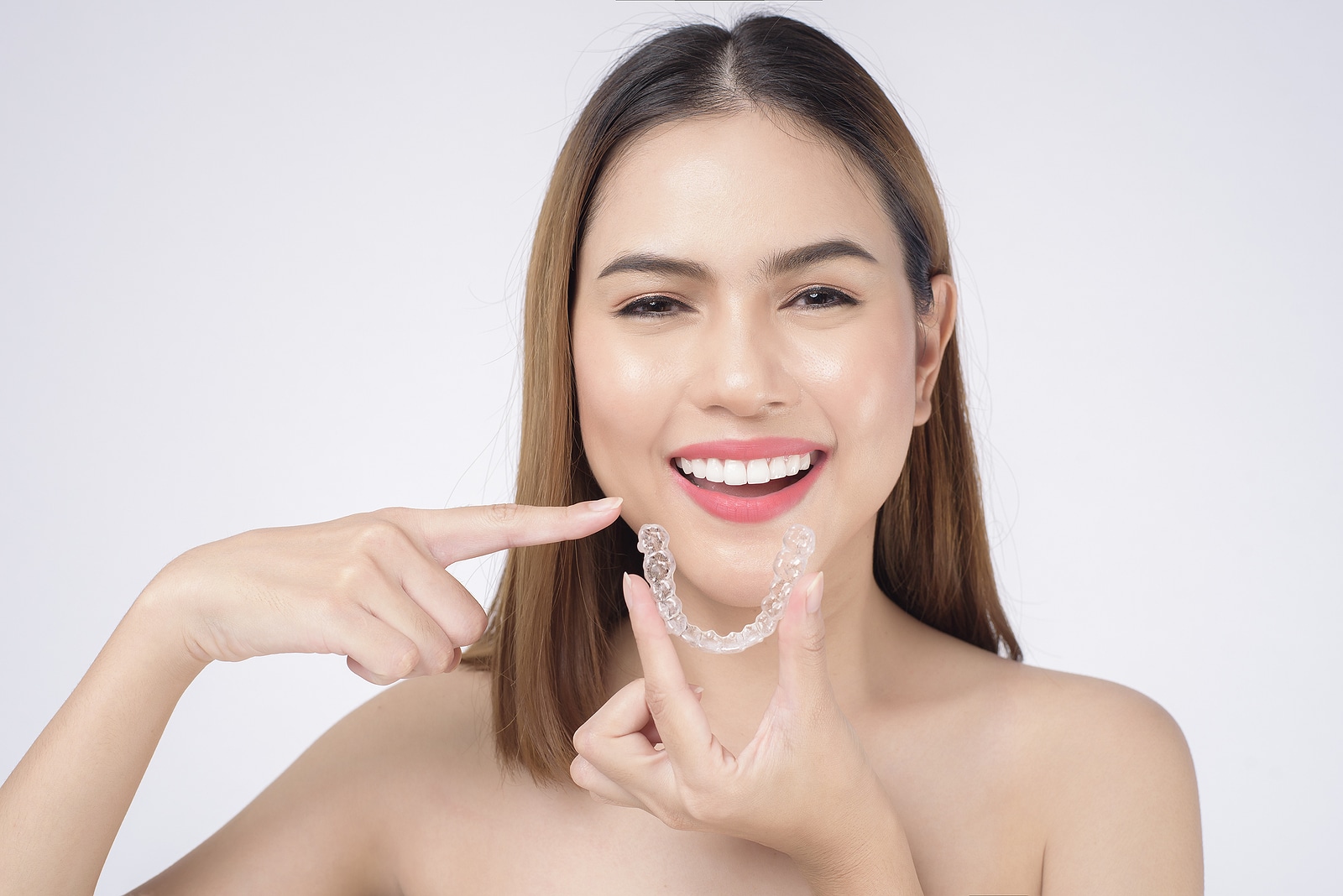
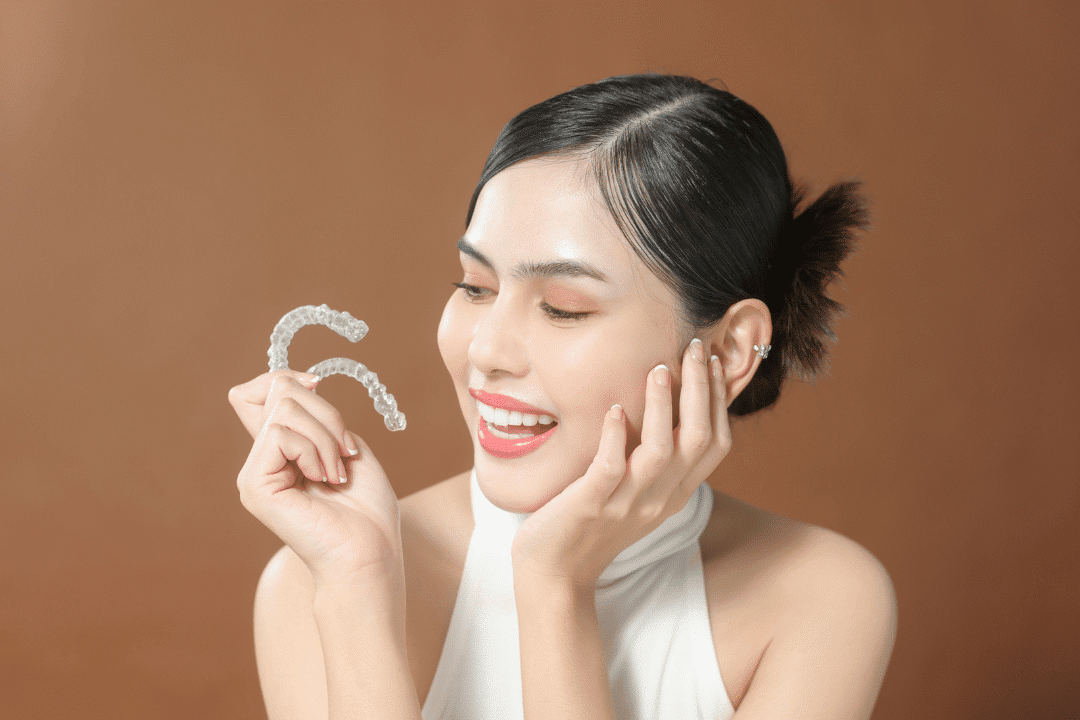
After completing orthodontic treatment, retainers play a vital role in maintaining the new position of teeth. They prevent teeth from shifting back to their original alignment, ensuring that the hard work put into achieving a perfect smile lasts. Retainers can be fixed or removable, and the choice depends on individual needs and the orthodontist's recommendation.
It's essential for patients to wear retainers as prescribed to avoid complications and ensure the longevity of their results. Regular follow-ups with the orthodontist can help monitor the effectiveness of the retainers and make necessary adjustments over time, ensuring continued oral health and satisfaction with the treatment outcome.
Common Myths About Orthodontics Debunked
There are many misconceptions surrounding orthodontic treatments that can lead to confusion and hesitation among potential patients. One common myth is that orthodontic treatment is only for children and teenagers, whereas adults can also benefit significantly from braces or aligners at any age.
Another prevalent myth is that orthodontic treatments are purely cosmetic. In reality, they can improve oral health by correcting bite issues, which can lead to better oral hygiene and reduced risk of dental problems. Educating patients about these myths can empower them to seek the orthodontic care they need.
Choosing the Right Orthodontist: Key Factors to Consider
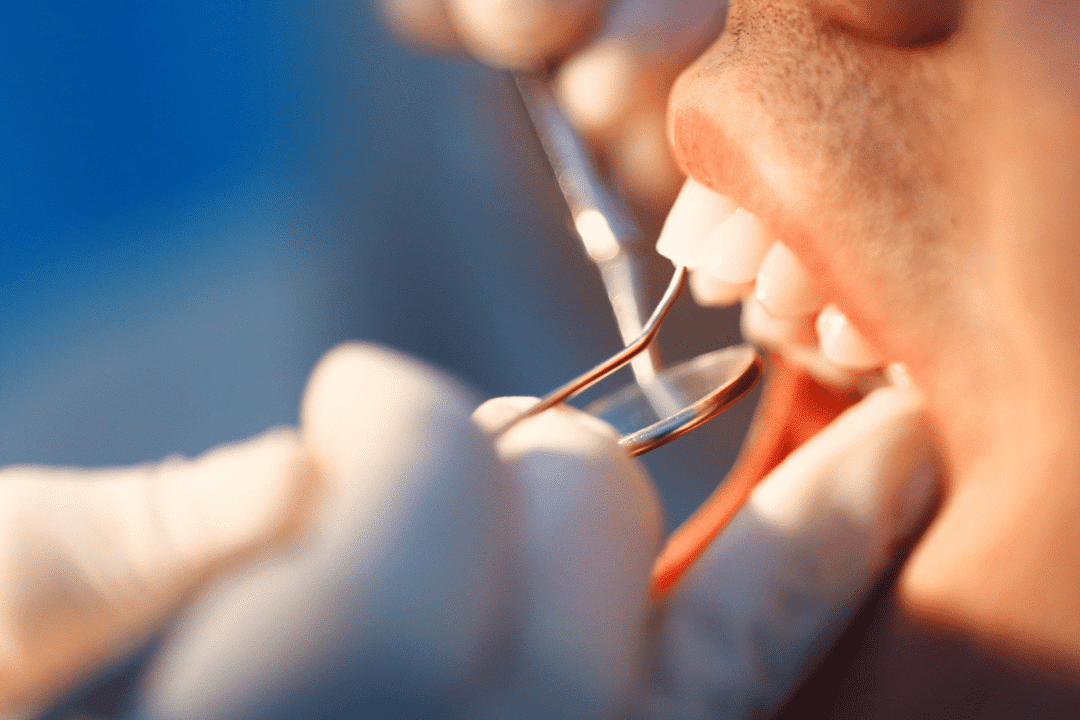
Selecting the right orthodontist is a crucial step in ensuring a successful treatment experience. Patients should consider factors such as the orthodontist's qualifications, experience, and the types of treatments offered. It's also beneficial to read reviews and testimonials from previous patients to gauge the quality of care provided.
Additionally, a good orthodontist should be willing to discuss treatment options thoroughly and answer any questions patients may have. Comfort and communication are key; a strong patient-orthodontist relationship can significantly enhance the overall treatment journey, leading to better outcomes and satisfaction.
Understanding Different Types of Braces: Traditional vs. Modern Options
Choosing the right type of braces is crucial for achieving the desired smile effectively. Traditional metal braces are the most common and are known for their durability and effectiveness in treating various orthodontic issues. However, modern options such as ceramic braces and lingual braces offer more discreet alternatives for those concerned about aesthetics.
Each type of braces has its own advantages and disadvantages. For instance, ceramic braces blend in with the natural color of teeth, making them less noticeable, while lingual braces are placed on the back of the teeth, providing an invisible solution. Understanding these differences can help patients make informed decisions based on their lifestyle and treatment goals.
The Role of Retainers After Orthodontic Treatment
After completing orthodontic treatment, retainers play a vital role in maintaining the new position of teeth. They prevent teeth from shifting back to their original alignment, ensuring that the hard work put into achieving a perfect smile lasts. Retainers can be fixed or removable, and the choice depends on individual needs and the orthodontist's recommendation.
It's essential for patients to wear retainers as prescribed to avoid complications and ensure the longevity of their results. Regular follow-ups with the orthodontist can help monitor the effectiveness of the retainers and make necessary adjustments over time, ensuring continued oral health and satisfaction with the treatment outcome.
Common Myths About Orthodontics Debunked
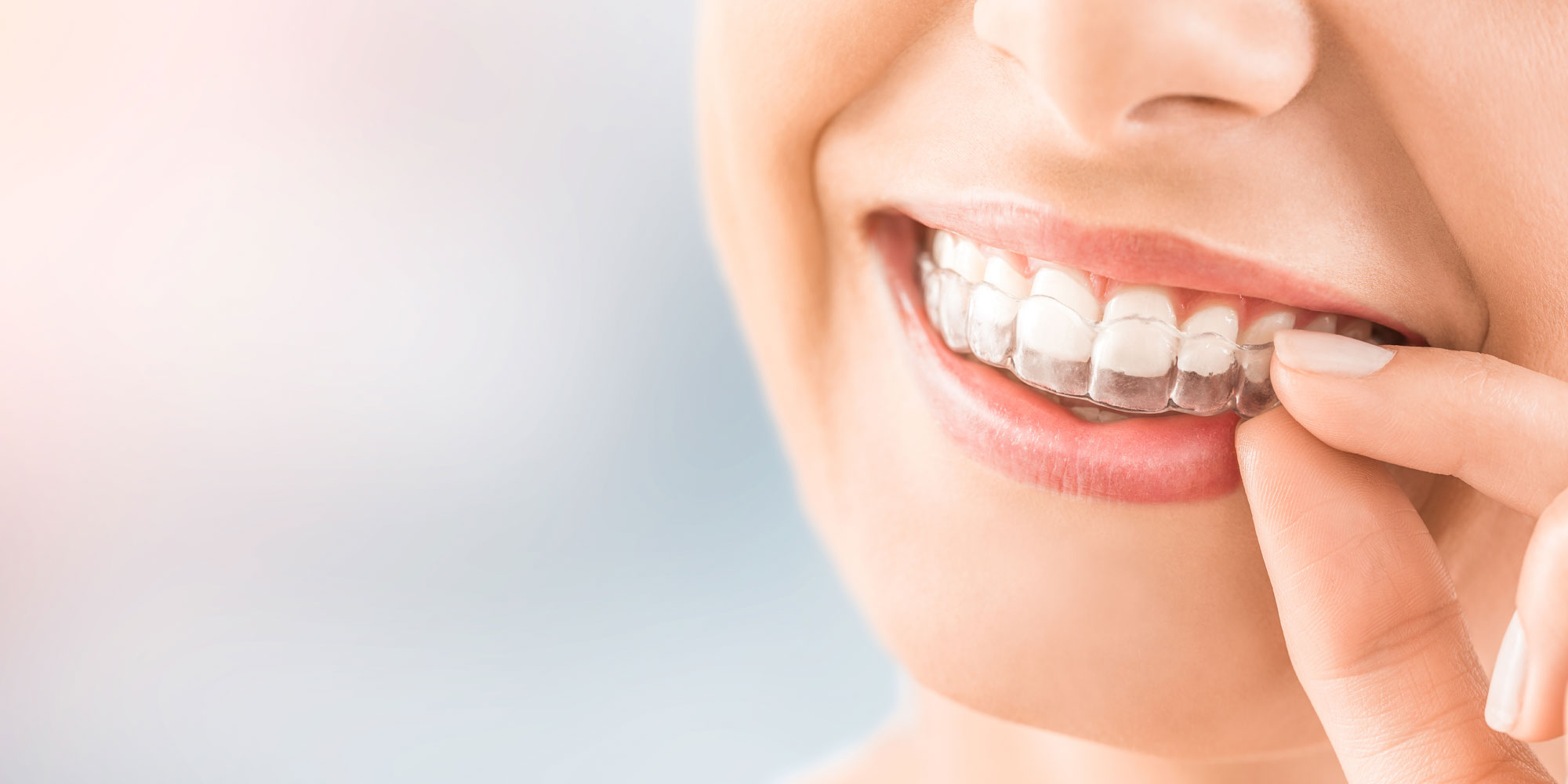
There are many misconceptions surrounding orthodontic treatments that can lead to confusion and hesitation among potential patients. One common myth is that orthodontic treatment is only for children and teenagers, whereas adults can also benefit significantly from braces or aligners at any age.
Another prevalent myth is that orthodontic treatments are purely cosmetic. In reality, they can improve oral health by correcting bite issues, which can lead to better oral hygiene and reduced risk of dental problems. Educating patients about these myths can empower them to seek the orthodontic care they need.
Choosing the Right Orthodontist: Key Factors to Consider
Selecting the right orthodontist is a crucial step in ensuring a successful treatment experience. Patients should consider factors such as the orthodontist's qualifications, experience, and the types of treatments offered. It's also beneficial to read reviews and testimonials from previous patients to gauge the quality of care provided.
Additionally, a good orthodontist should be willing to discuss treatment options thoroughly and answer any questions patients may have. Comfort and communication are key; a strong patient-orthodontist relationship can significantly enhance the overall treatment journey, leading to better outcomes and satisfaction.