Understanding the Different Phases of Orthodontic Treatment
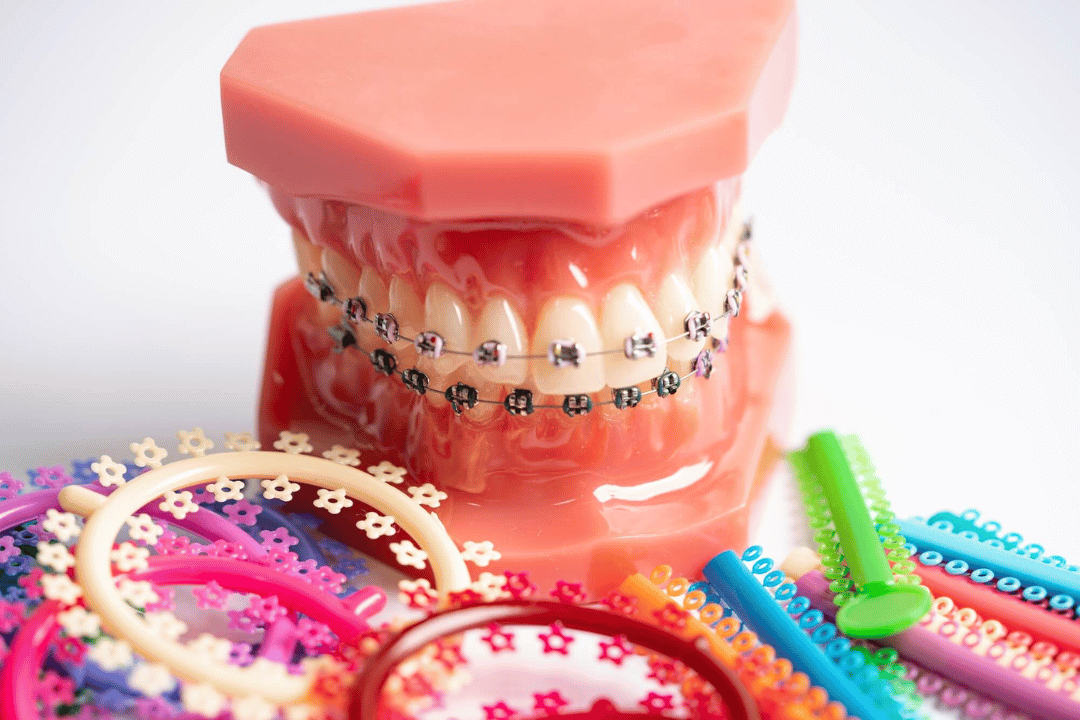
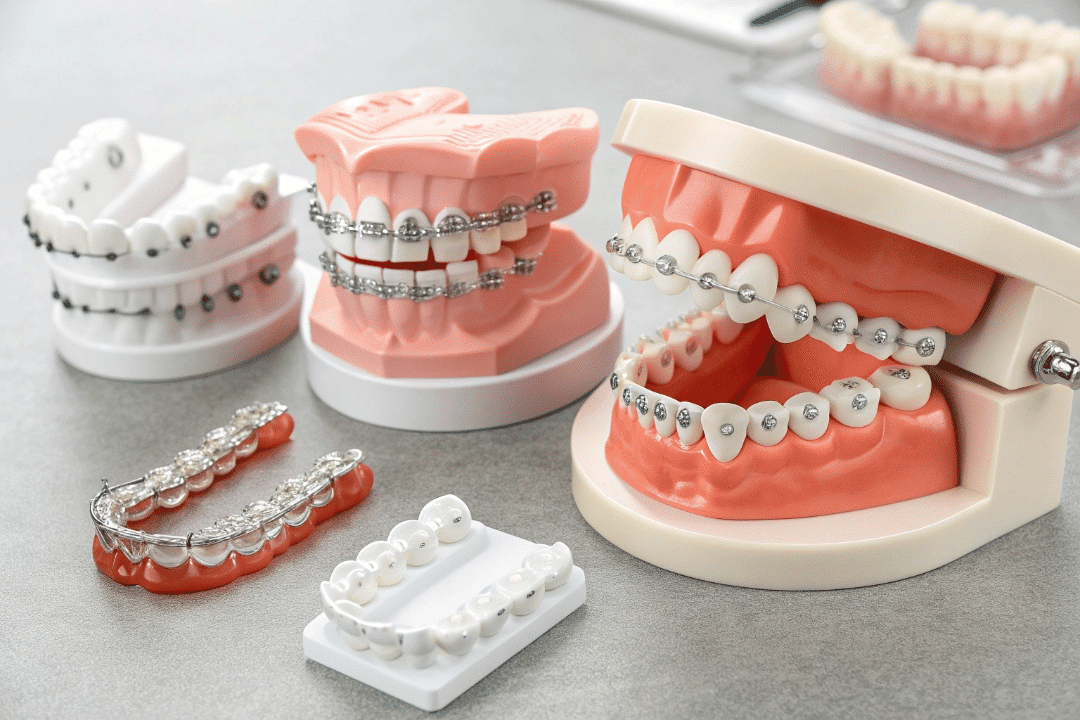
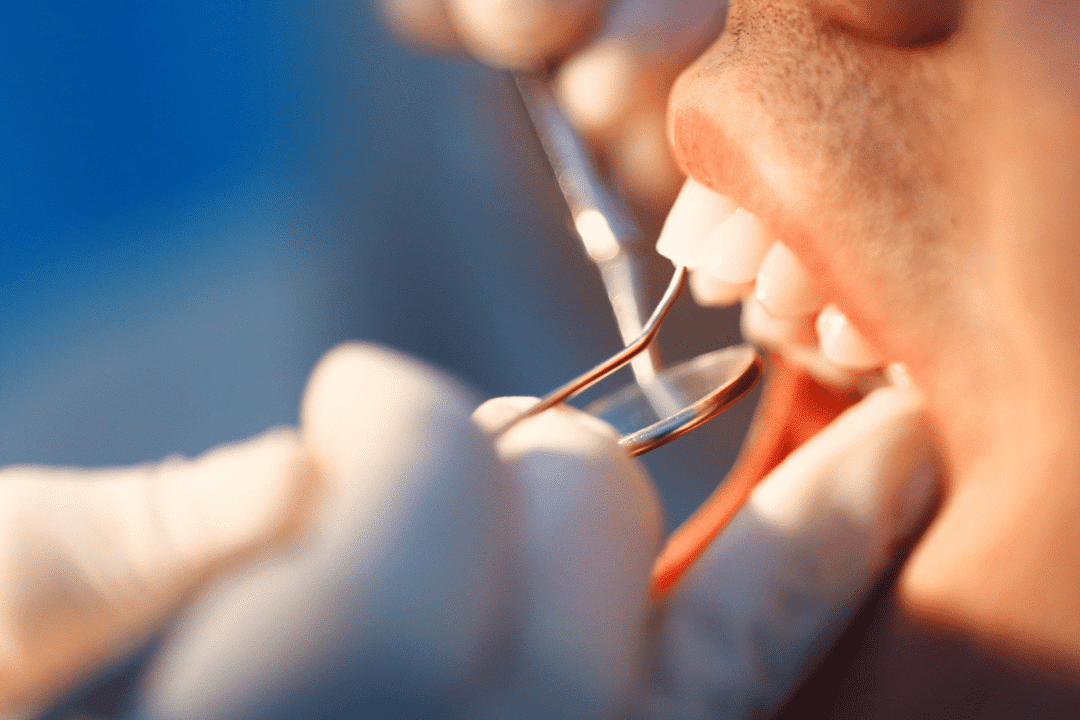
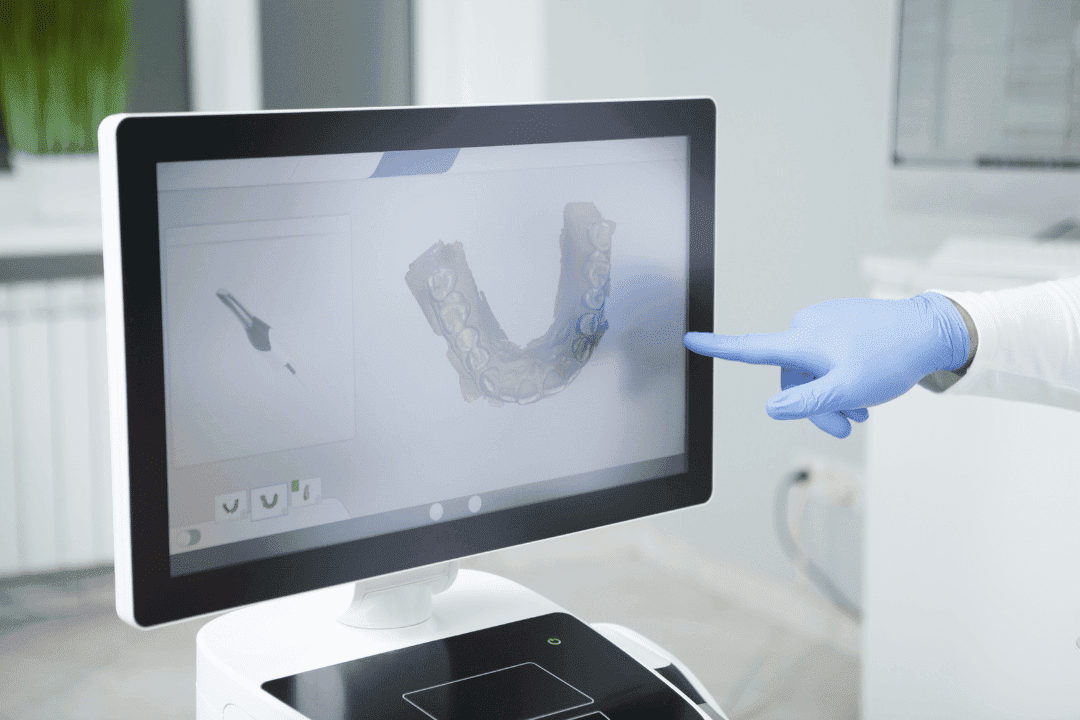
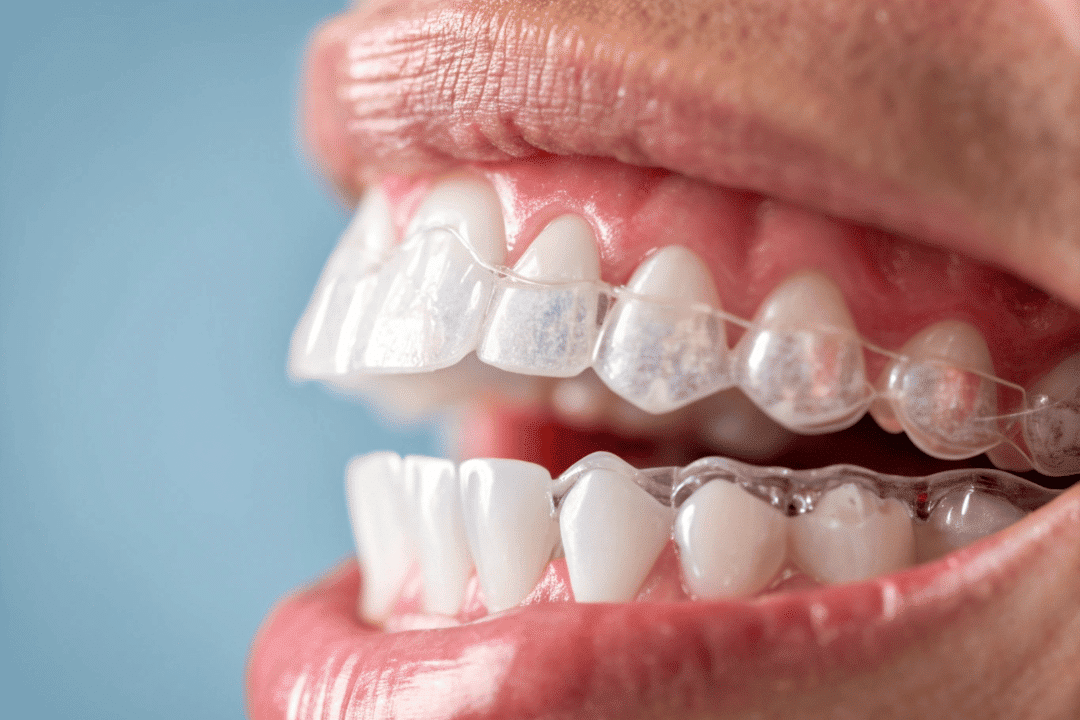
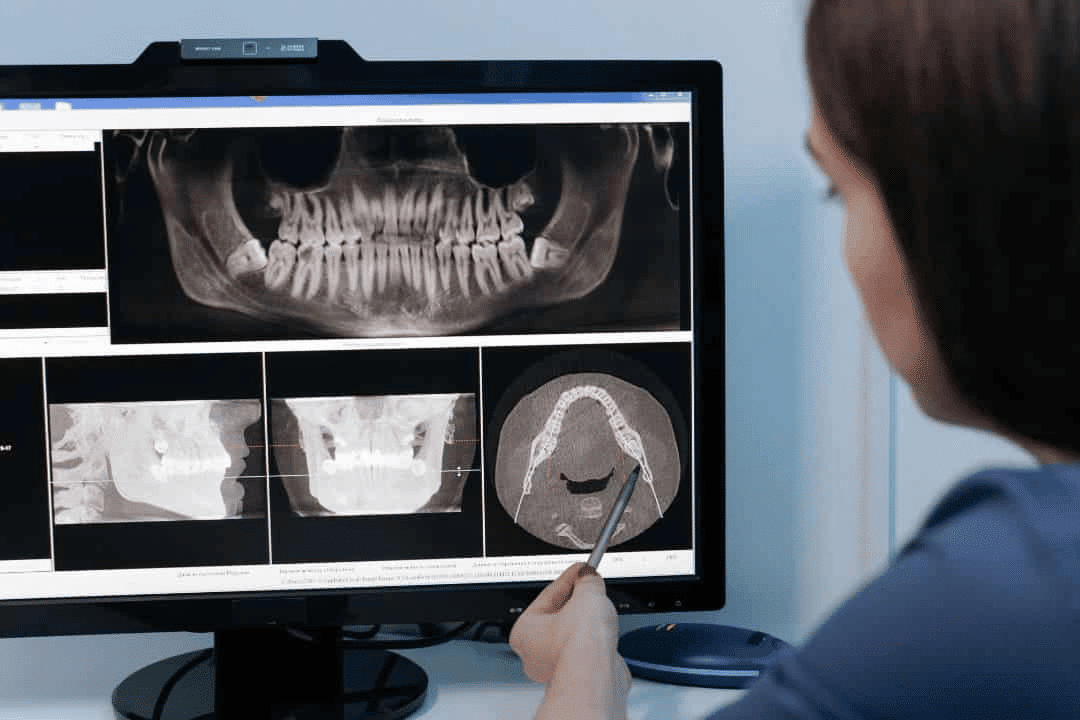
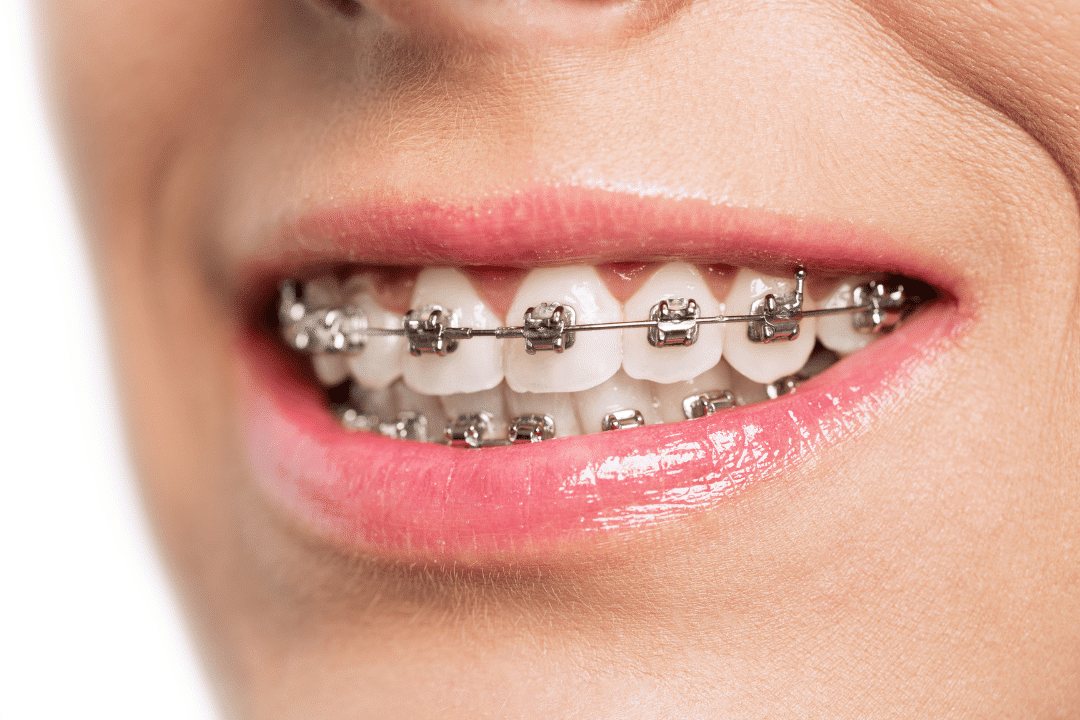
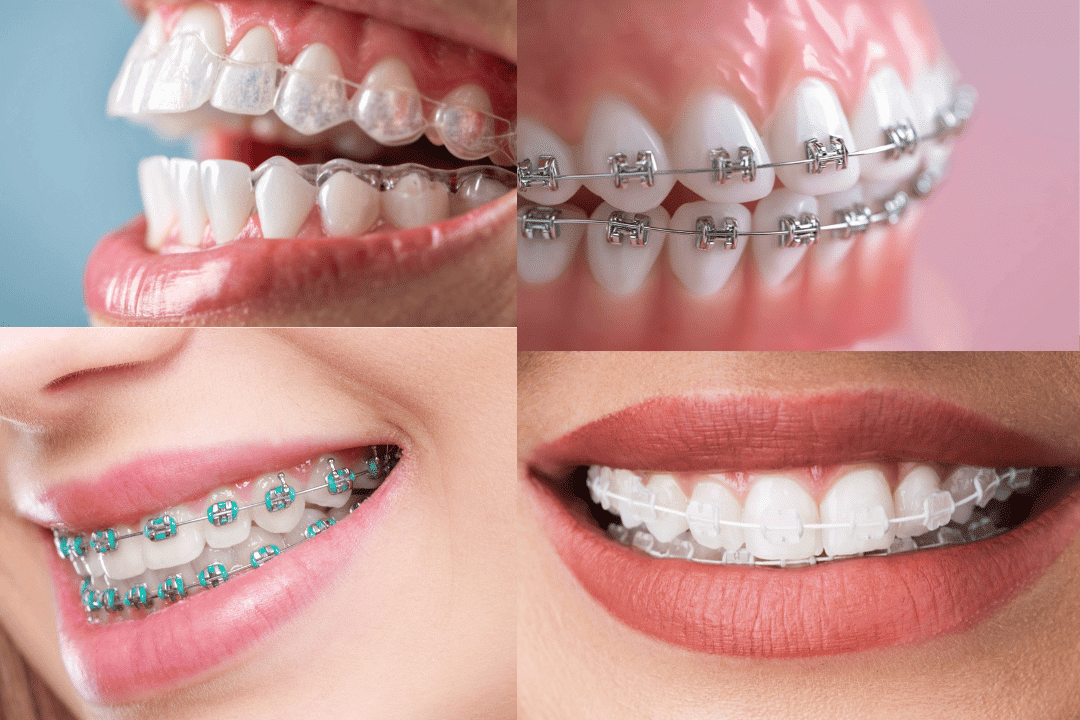
Orthodontic treatment typically progresses through several distinct phases, each designed to achieve specific goals. The initial phase often involves a comprehensive evaluation, including X-rays and impressions, to determine the best approach for the patient’s unique dental needs. Following this, the active treatment phase begins, where braces or aligners are applied to gradually move the teeth into their desired positions.
After the active phase, patients enter the retention phase, which is crucial for maintaining the results achieved. Retainers are often prescribed to ensure that teeth do not shift back to their original positions. Understanding these phases helps patients set realistic expectations and appreciate the process of achieving a healthier smile.
Common Myths About Orthodontics Debunked
There are many misconceptions surrounding orthodontic treatments that can deter individuals from seeking necessary care. One common myth is that orthodontics is only for children and teens; in reality, adults can also benefit significantly from orthodontic treatment at any age. Another myth is that braces are always painful, whereas advancements in technology have led to more comfortable treatment options.
By debunking these myths, patients can feel more empowered to explore their options and understand the true benefits of orthodontics. Education about these misconceptions can lead to improved oral health and increased confidence in one’s smile.
Tips for Maintaining Oral Hygiene During Orthodontic Treatment
Maintaining proper oral hygiene is essential during orthodontic treatment, as brackets and wires can trap food particles and plaque, increasing the risk of cavities and gum disease. Patients should follow a diligent oral care routine, which includes brushing after every meal and using interdental brushes or floss threaders to clean around brackets effectively.
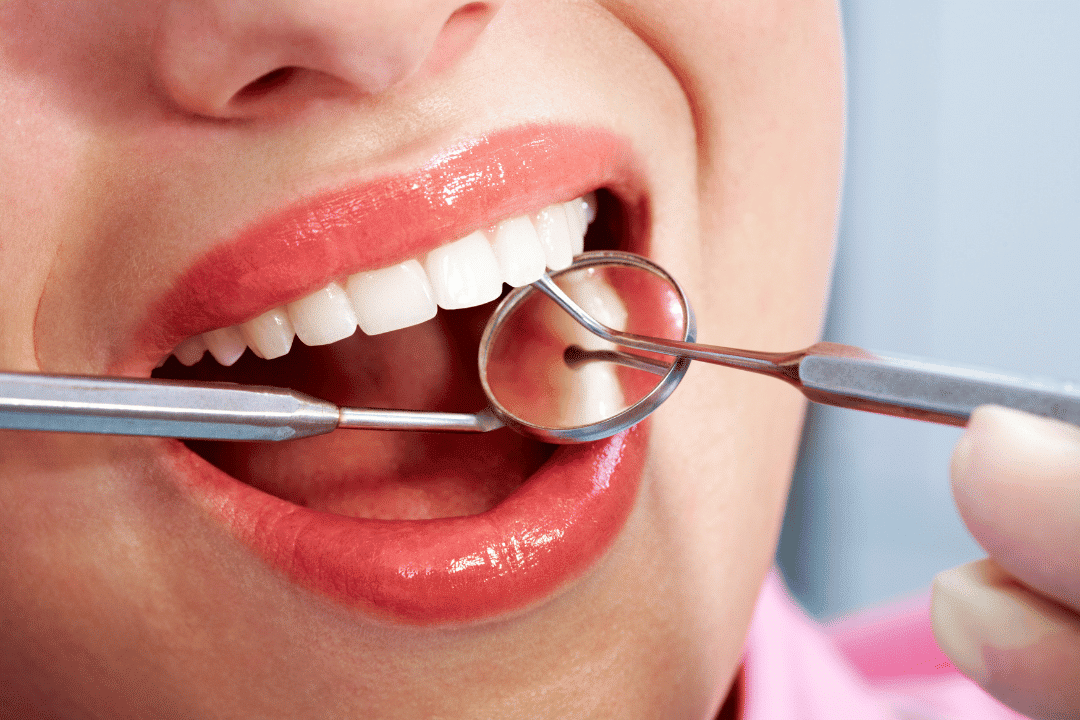
Additionally, regular dental check-ups are crucial for monitoring oral health throughout the treatment process. By prioritizing hygiene, patients can ensure a healthier mouth and a more successful orthodontic outcome, leading to a beautiful smile that lasts a lifetime.
The Role of Nutrition in Orthodontic Success
Nutrition plays a vital role in the success of orthodontic treatment. A balanced diet rich in vitamins and minerals supports overall oral health and can aid in the healing process after adjustments. Patients are encouraged to eat soft foods, especially after getting braces or aligners, to minimize discomfort and avoid damaging the appliances.
Moreover, certain foods can promote dental health, such as dairy products for calcium and crunchy fruits and vegetables that help clean teeth naturally. Understanding the impact of nutrition can empower patients to make informed choices that support their orthodontic journey and enhance their results.
Understanding the Different Phases of Orthodontic Treatment
Orthodontic treatment typically progresses through several distinct phases, each designed to achieve specific goals. The initial phase often involves a comprehensive evaluation, including X-rays and impressions, to determine the best approach for the patient’s unique dental needs. Following this, the active treatment phase begins, where braces or aligners are applied to gradually move the teeth into their desired positions.
After the active phase, patients enter the retention phase, which is crucial for maintaining the results achieved. Retainers are often prescribed to ensure that teeth do not shift back to their original positions. Understanding these phases helps patients set realistic expectations and appreciate the process of achieving a healthier smile.
Common Myths About Orthodontics Debunked
There are many misconceptions surrounding orthodontic treatments that can deter individuals from seeking necessary care. One common myth is that orthodontics is only for children and teens; in reality, adults can also benefit significantly from orthodontic treatment at any age. Another myth is that braces are always painful, whereas advancements in technology have led to more comfortable treatment options.
By debunking these myths, patients can feel more empowered to explore their options and understand the true benefits of orthodontics. Education about these misconceptions can lead to improved oral health and increased confidence in one’s smile.
Tips for Maintaining Oral Hygiene During Orthodontic Treatment
Maintaining proper oral hygiene is essential during orthodontic treatment, as brackets and wires can trap food particles and plaque, increasing the risk of cavities and gum disease. Patients should follow a diligent oral care routine, which includes brushing after every meal and using interdental brushes or floss threaders to clean around brackets effectively.
Additionally, regular dental check-ups are crucial for monitoring oral health throughout the treatment process. By prioritizing hygiene, patients can ensure a healthier mouth and a more successful orthodontic outcome, leading to a beautiful smile that lasts a lifetime.
The Role of Nutrition in Orthodontic Success
Nutrition plays a vital role in the success of orthodontic treatment. A balanced diet rich in vitamins and minerals supports overall oral health and can aid in the healing process after adjustments. Patients are encouraged to eat soft foods, especially after getting braces or aligners, to minimize discomfort and avoid damaging the appliances.
Moreover, certain foods can promote dental health, such as dairy products for calcium and crunchy fruits and vegetables that help clean teeth naturally. Understanding the impact of nutrition can empower patients to make informed choices that support their orthodontic journey and enhance their results.