Understanding the Role of Retainers After Orthodontic Treatment
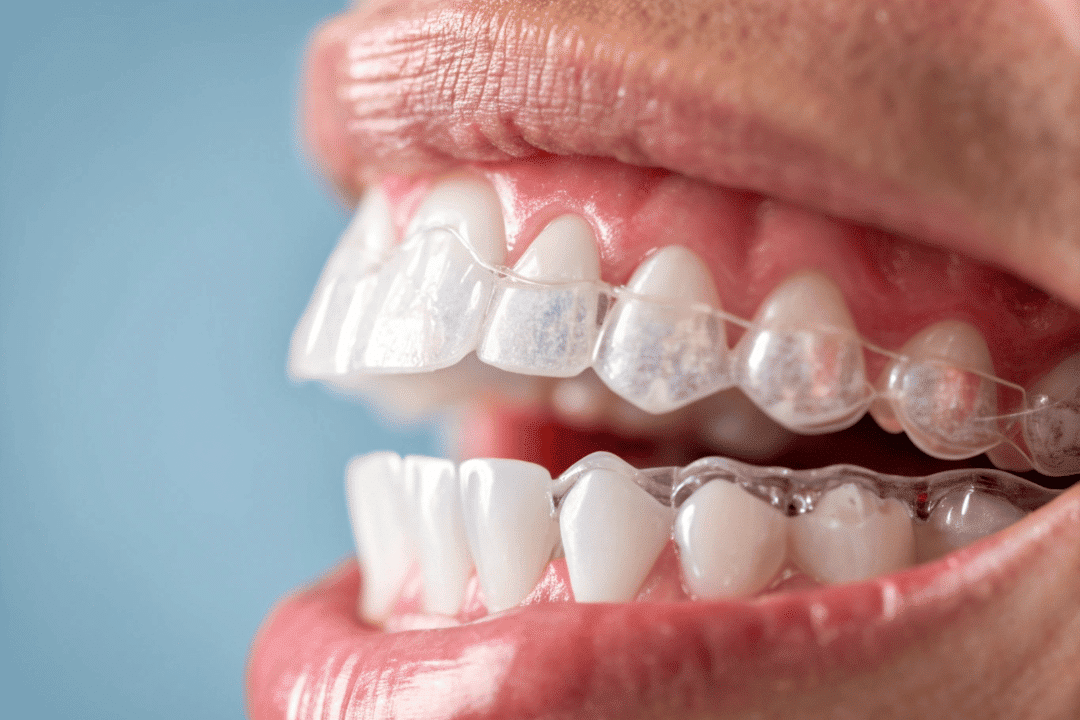
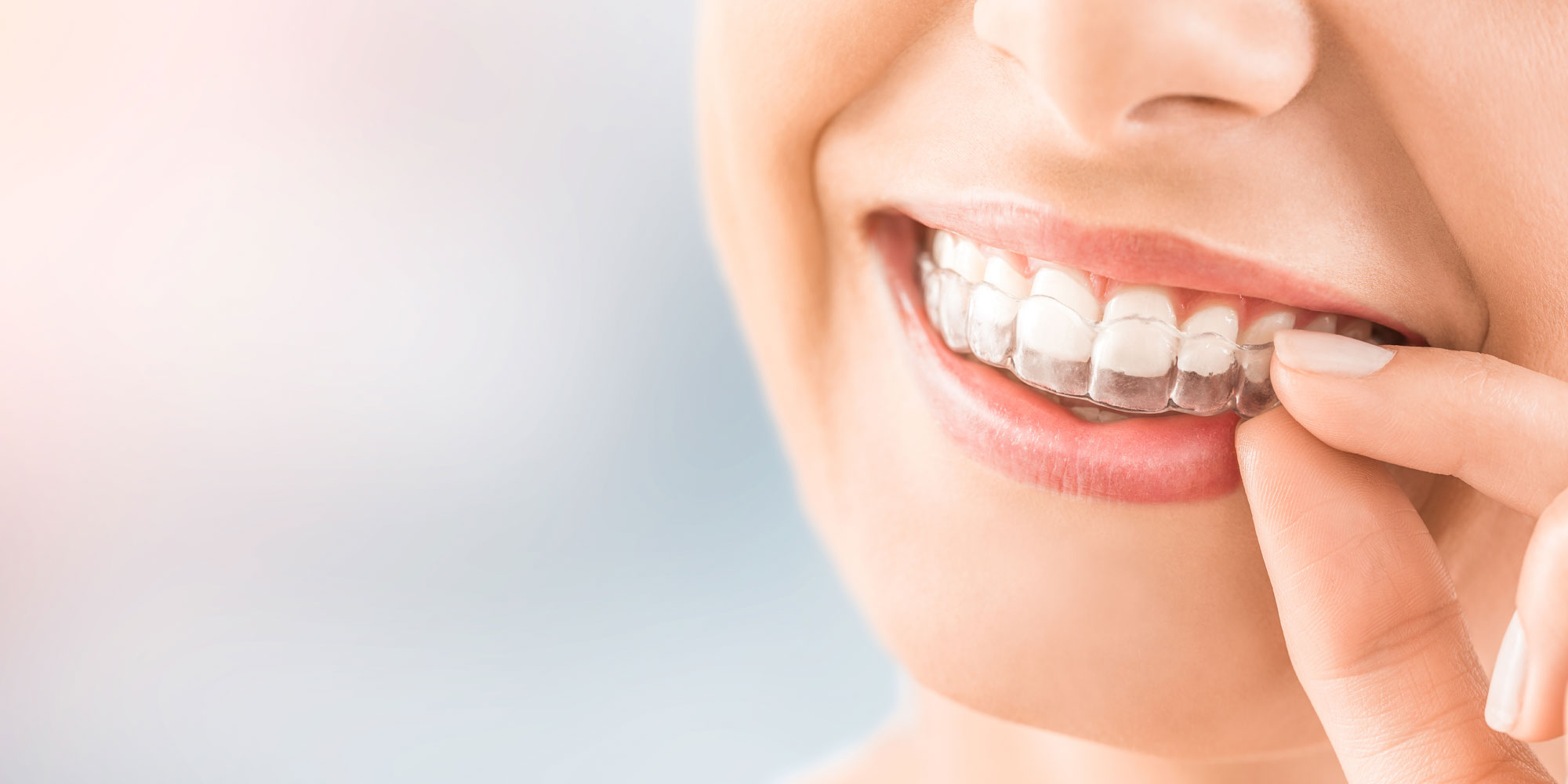
Retainers play a crucial role in maintaining the results achieved through orthodontic treatment. After braces or clear aligners are removed, teeth can shift back to their original positions if not properly managed. Retainers help to stabilize the teeth in their new alignment, ensuring that the hard work put into straightening them is not undone.
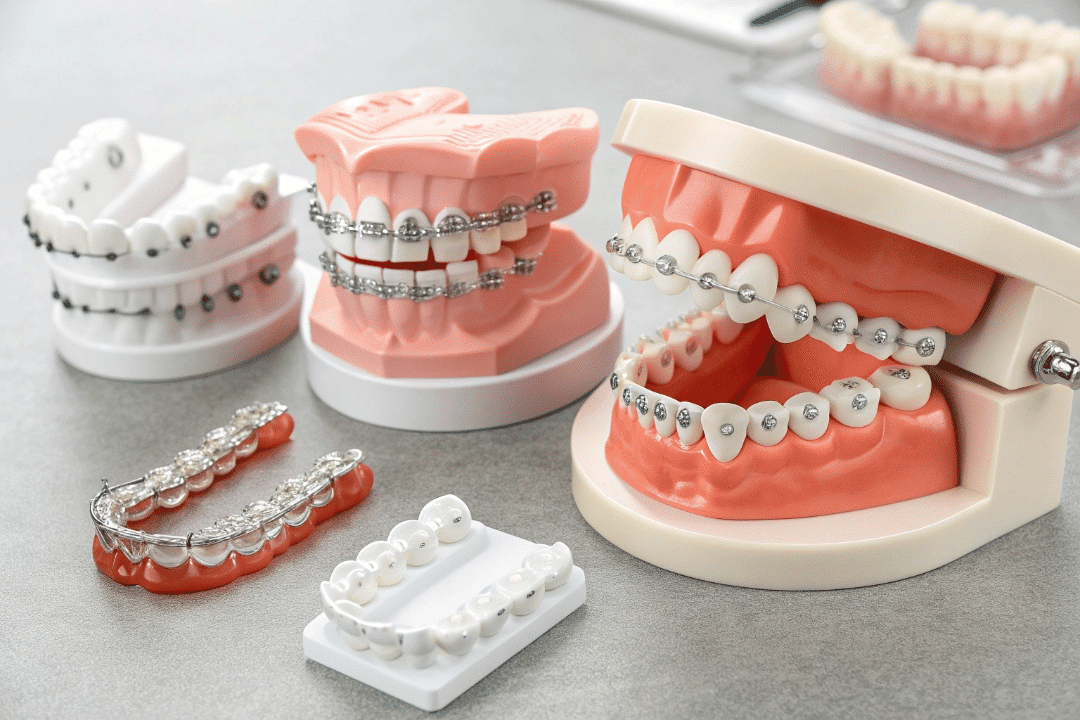
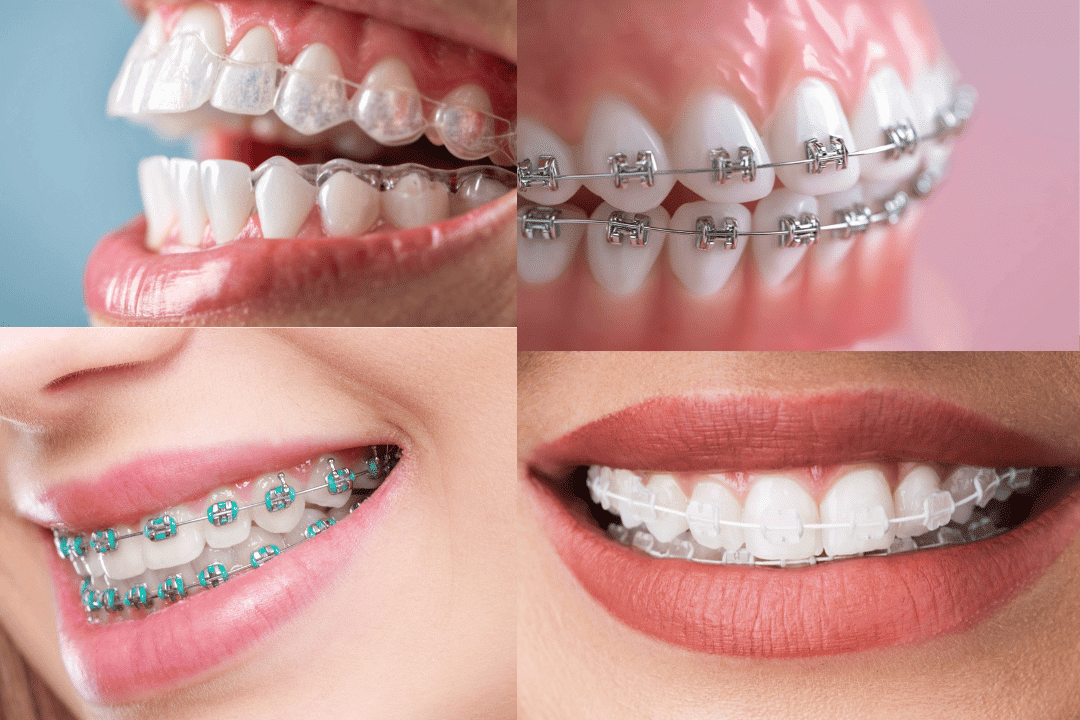
There are different types of retainers available, including fixed and removable options. Fixed retainers are bonded to the back of the teeth, providing continuous support, while removable retainers can be taken out for cleaning and during meals. Your orthodontist will recommend the best option based on your specific needs and treatment plan.
The Importance of Oral Hygiene During Orthodontic Treatment
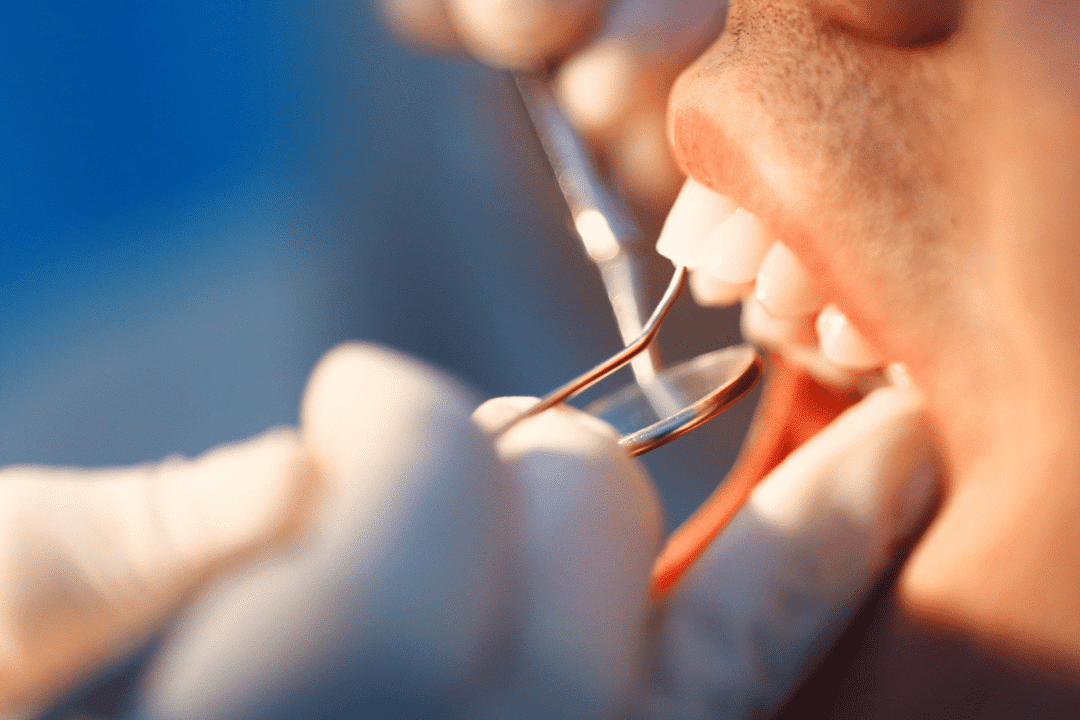
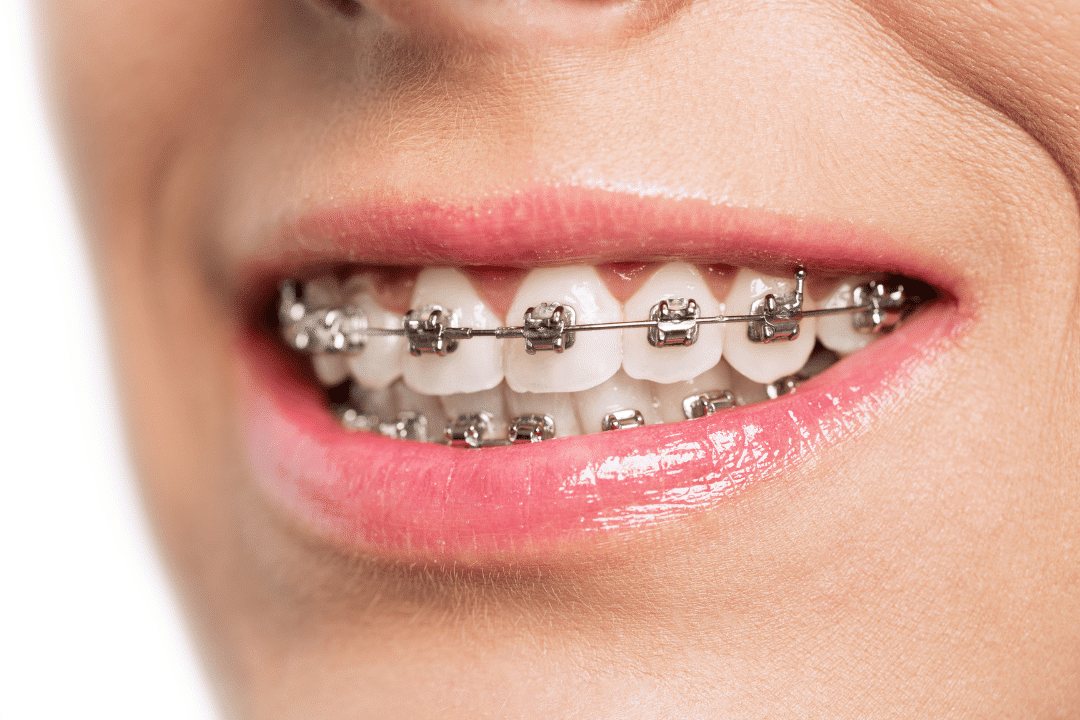
Maintaining excellent oral hygiene is vital for patients undergoing orthodontic treatment. Braces and aligners can trap food particles and plaque, increasing the risk of cavities and gum disease. It is essential to adapt your oral care routine to ensure that your teeth and gums remain healthy throughout the duration of treatment.
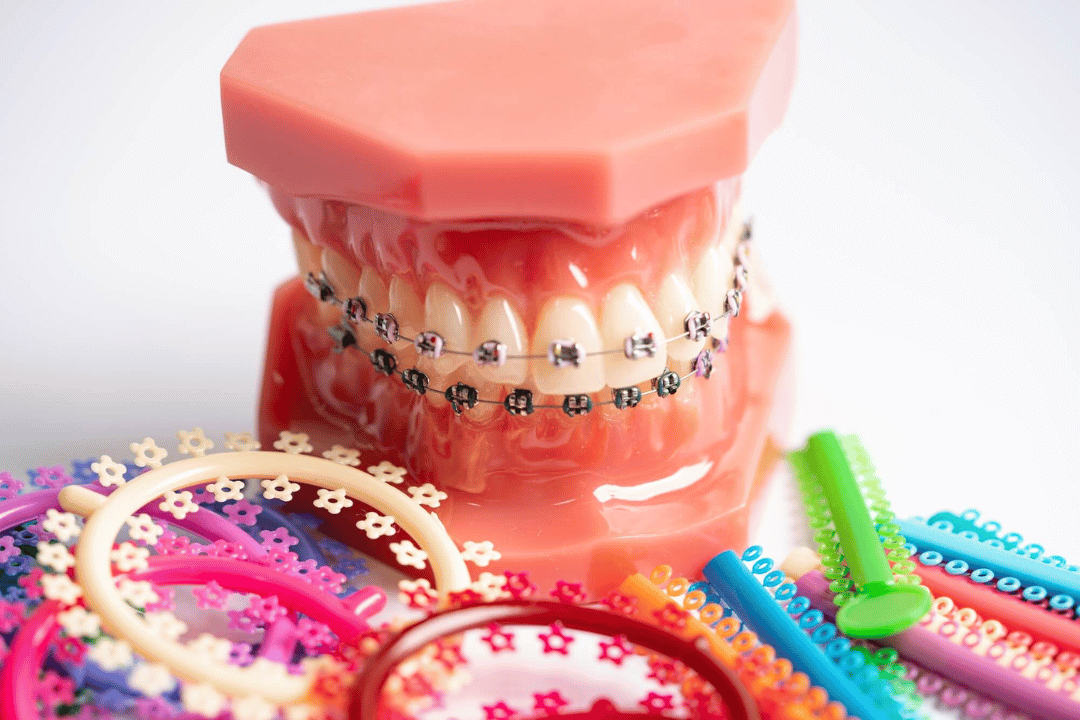
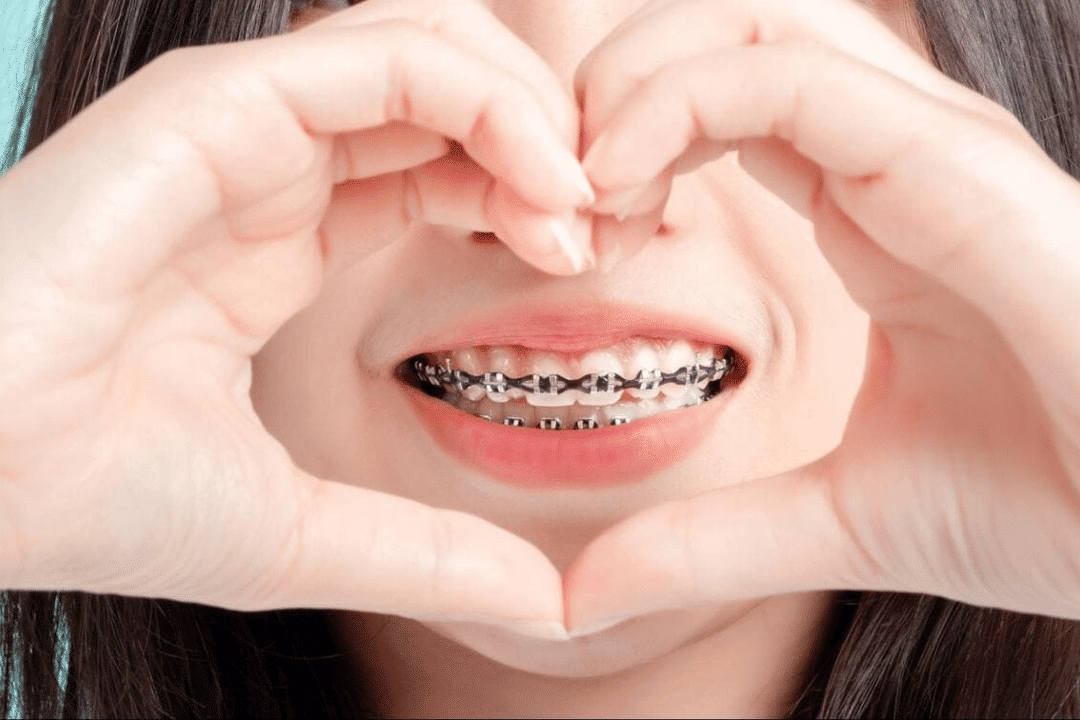
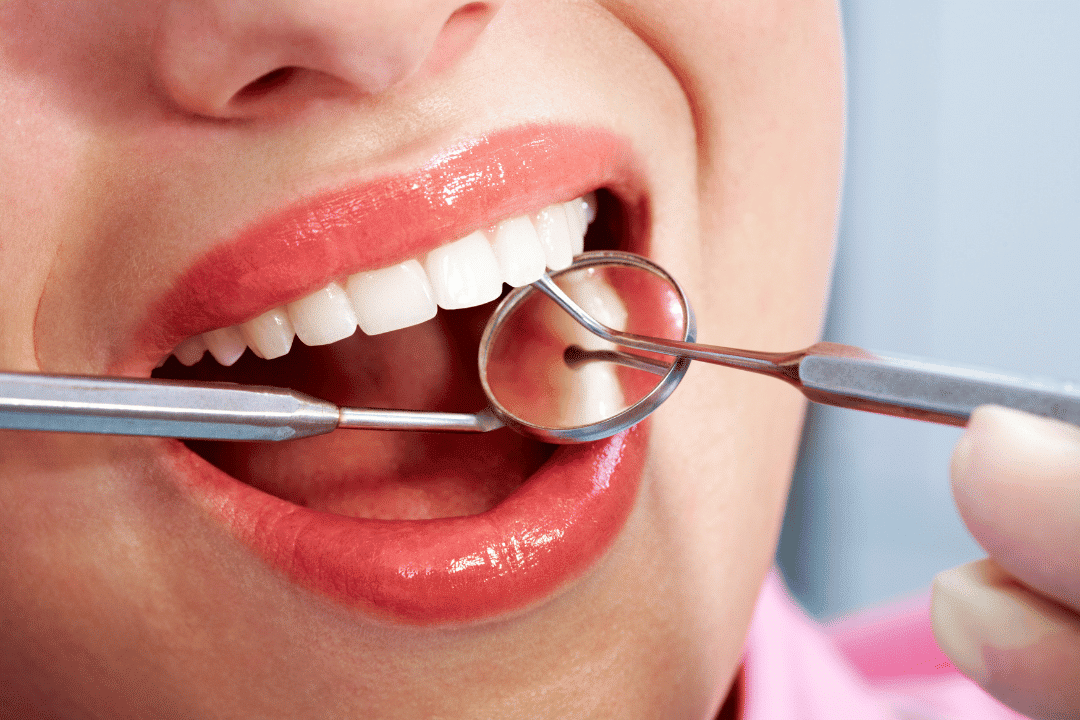
Patients should brush their teeth after every meal and use specialized tools, such as interdental brushes and floss threaders, to clean around brackets and wires effectively. Regular dental check-ups during orthodontic treatment are also important for professional cleanings and monitoring oral health.
Common Myths About Orthodontic Treatment Debunked
Many misconceptions surround orthodontic treatment, which can lead to misunderstandings about its purpose and benefits. For instance, some people believe that orthodontics is only for children and teenagers, but adults can also benefit from various treatment options available today.
Another common myth is that braces are only for cosmetic purposes. In reality, orthodontic treatment can significantly improve oral health by correcting bite issues and preventing long-term dental problems. Educating patients about these myths helps them make informed decisions about their orthodontic care.
Choosing the Right Orthodontic Specialist for Your Needs
Selecting the right orthodontic specialist is crucial for achieving the best treatment outcomes. Patients should consider factors such as the orthodontist's qualifications, experience, and treatment philosophy when making their choice. A consultation can provide insights into the orthodontist's approach and help establish a comfortable rapport.
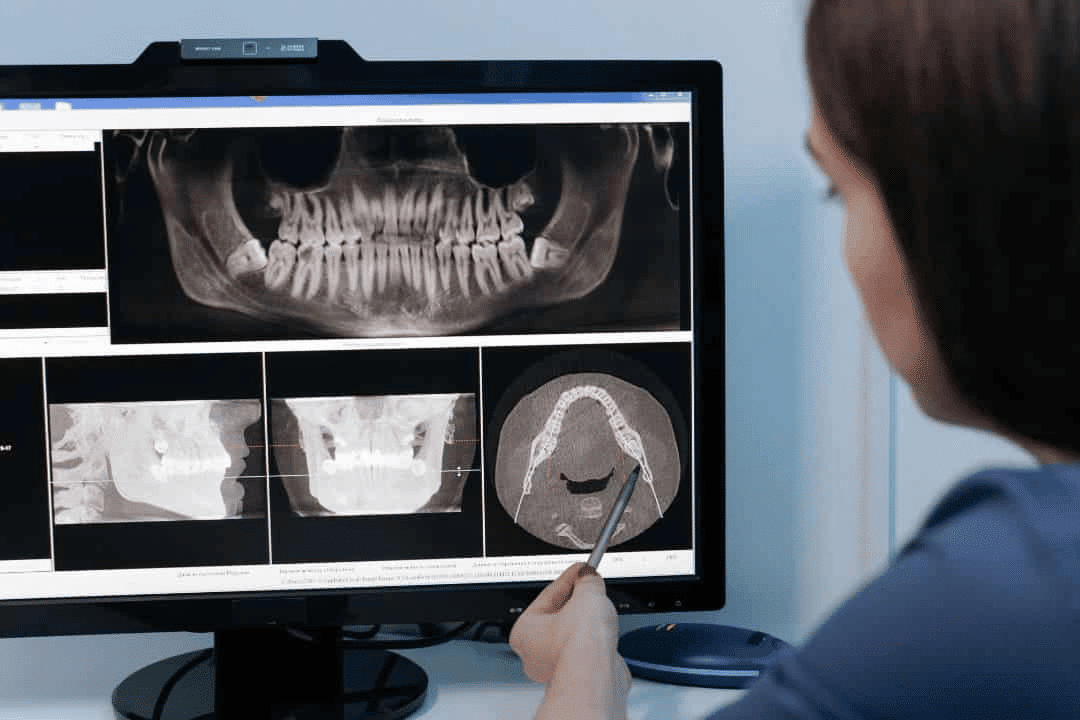
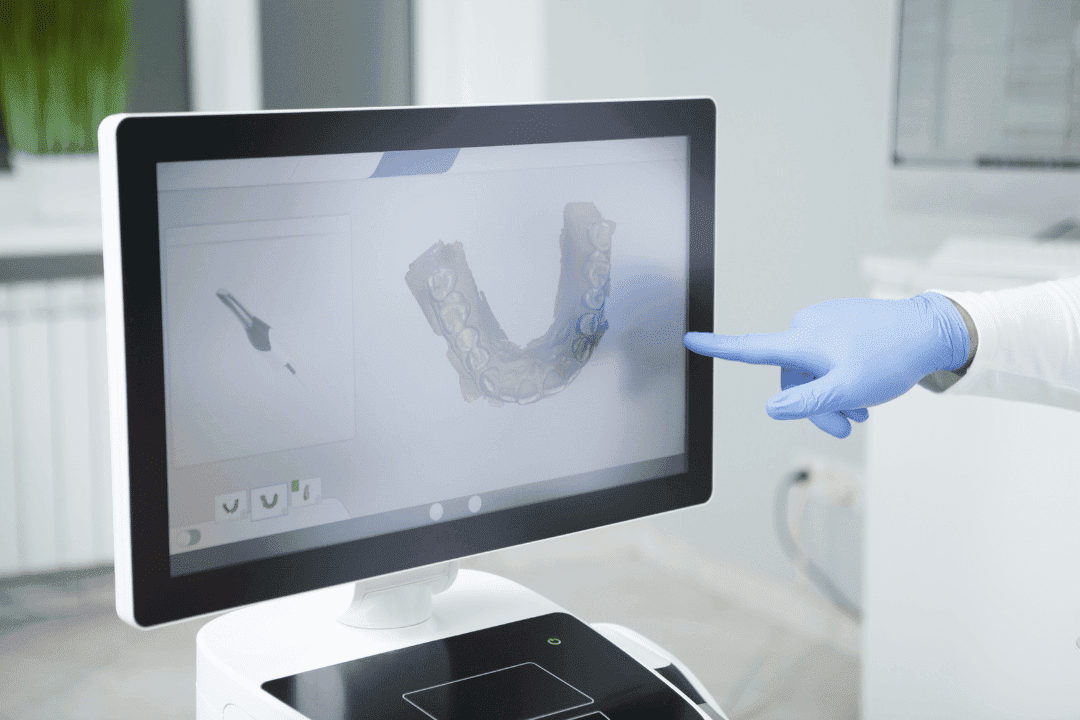
Additionally, reading reviews and testimonials from previous patients can offer valuable perspectives on the quality of care provided. An orthodontist who uses the latest technology and techniques is more likely to deliver efficient and effective treatment, ensuring that patients receive the highest standard of care.
Understanding the Role of Retainers After Orthodontic Treatment
Retainers play a crucial role in maintaining the results achieved through orthodontic treatment. After braces or clear aligners are removed, teeth can shift back to their original positions if not properly managed. Retainers help to stabilize the teeth in their new alignment, ensuring that the hard work put into straightening them is not undone.
There are different types of retainers available, including fixed and removable options. Fixed retainers are bonded to the back of the teeth, providing continuous support, while removable retainers can be taken out for cleaning and during meals. Your orthodontist will recommend the best option based on your specific needs and treatment plan.
The Importance of Oral Hygiene During Orthodontic Treatment
Maintaining excellent oral hygiene is vital for patients undergoing orthodontic treatment. Braces and aligners can trap food particles and plaque, increasing the risk of cavities and gum disease. It is essential to adapt your oral care routine to ensure that your teeth and gums remain healthy throughout the duration of treatment.
Patients should brush their teeth after every meal and use specialized tools, such as interdental brushes and floss threaders, to clean around brackets and wires effectively. Regular dental check-ups during orthodontic treatment are also important for professional cleanings and monitoring oral health.
Common Myths About Orthodontic Treatment Debunked
Many misconceptions surround orthodontic treatment, which can lead to misunderstandings about its purpose and benefits. For instance, some people believe that orthodontics is only for children and teenagers, but adults can also benefit from various treatment options available today.
Another common myth is that braces are only for cosmetic purposes. In reality, orthodontic treatment can significantly improve oral health by correcting bite issues and preventing long-term dental problems. Educating patients about these myths helps them make informed decisions about their orthodontic care.
Choosing the Right Orthodontic Specialist for Your Needs
Selecting the right orthodontic specialist is crucial for achieving the best treatment outcomes. Patients should consider factors such as the orthodontist's qualifications, experience, and treatment philosophy when making their choice. A consultation can provide insights into the orthodontist's approach and help establish a comfortable rapport.
Additionally, reading reviews and testimonials from previous patients can offer valuable perspectives on the quality of care provided. An orthodontist who uses the latest technology and techniques is more likely to deliver efficient and effective treatment, ensuring that patients receive the highest standard of care.