Understanding Different Types of Braces: Metal, Ceramic, and Lingual Options
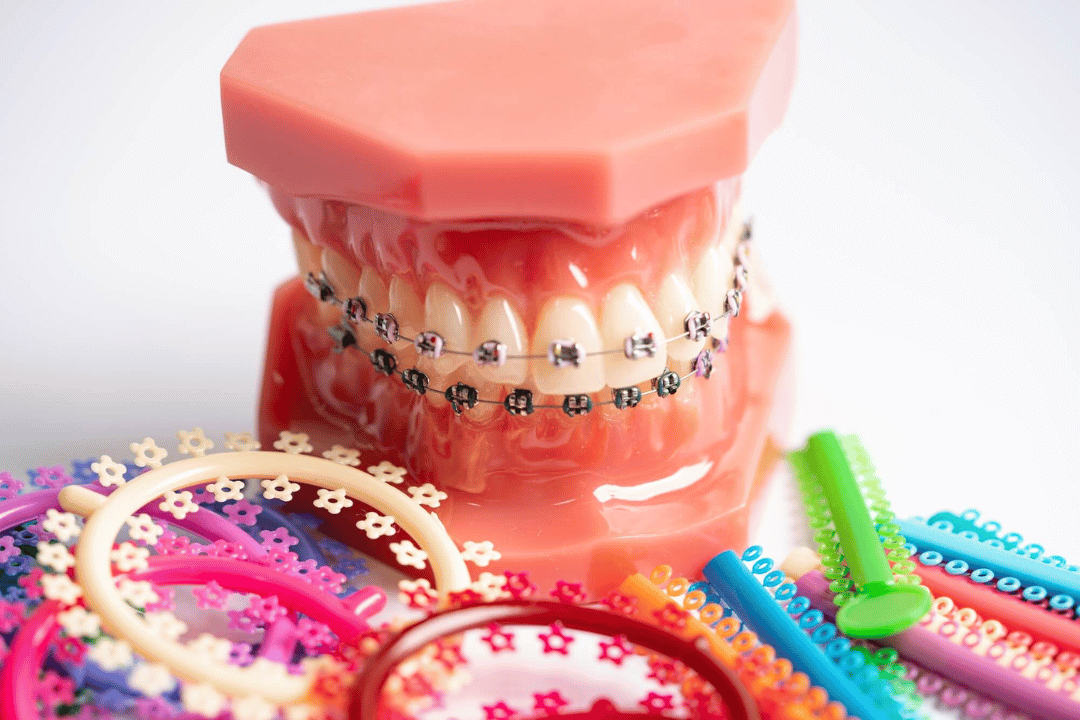
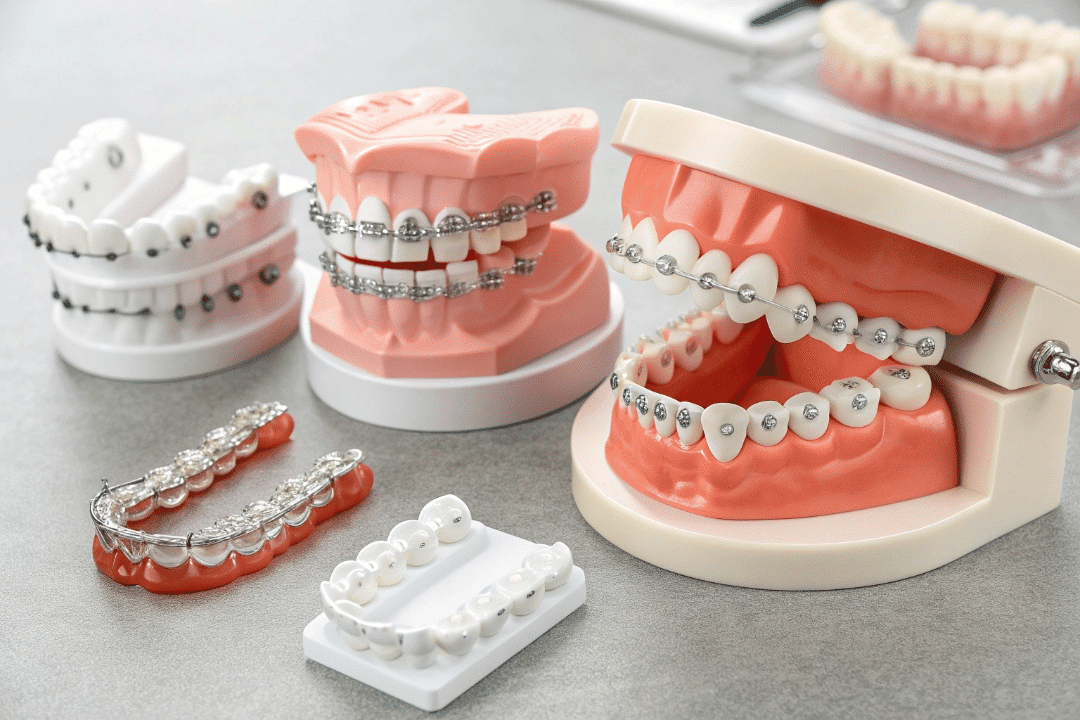
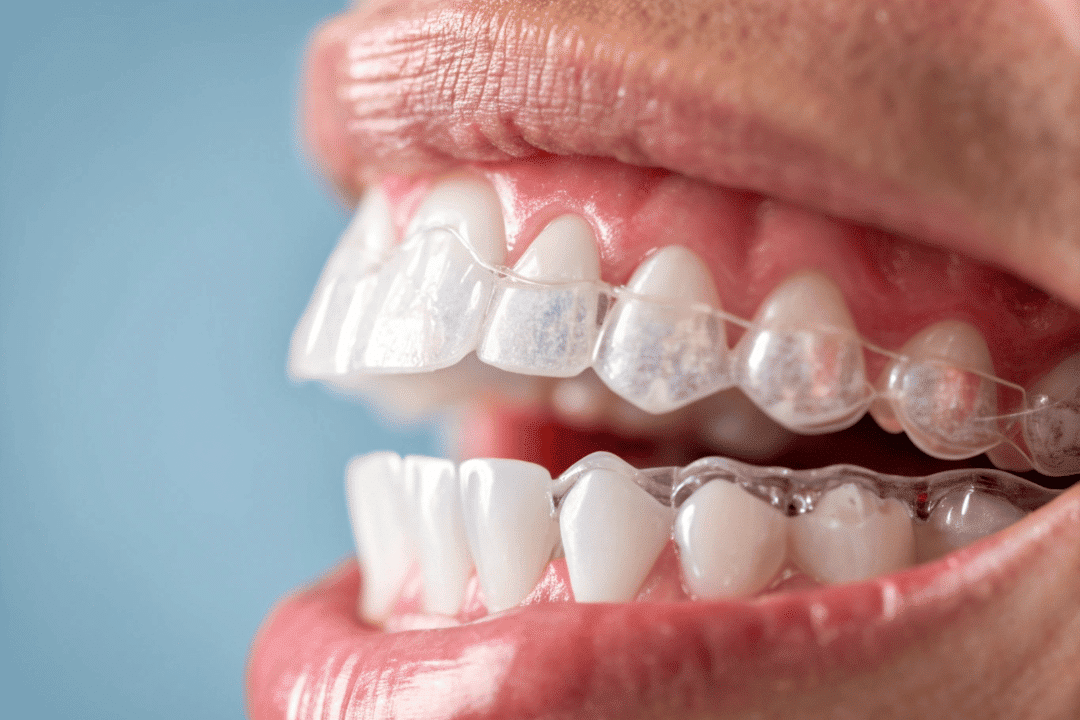
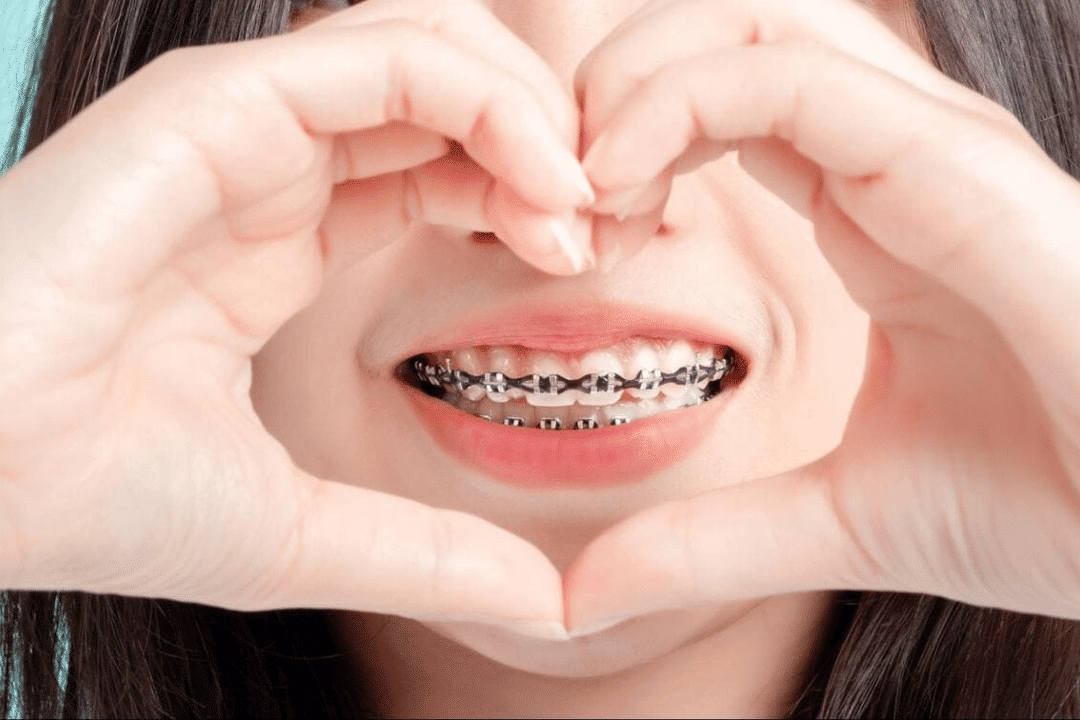
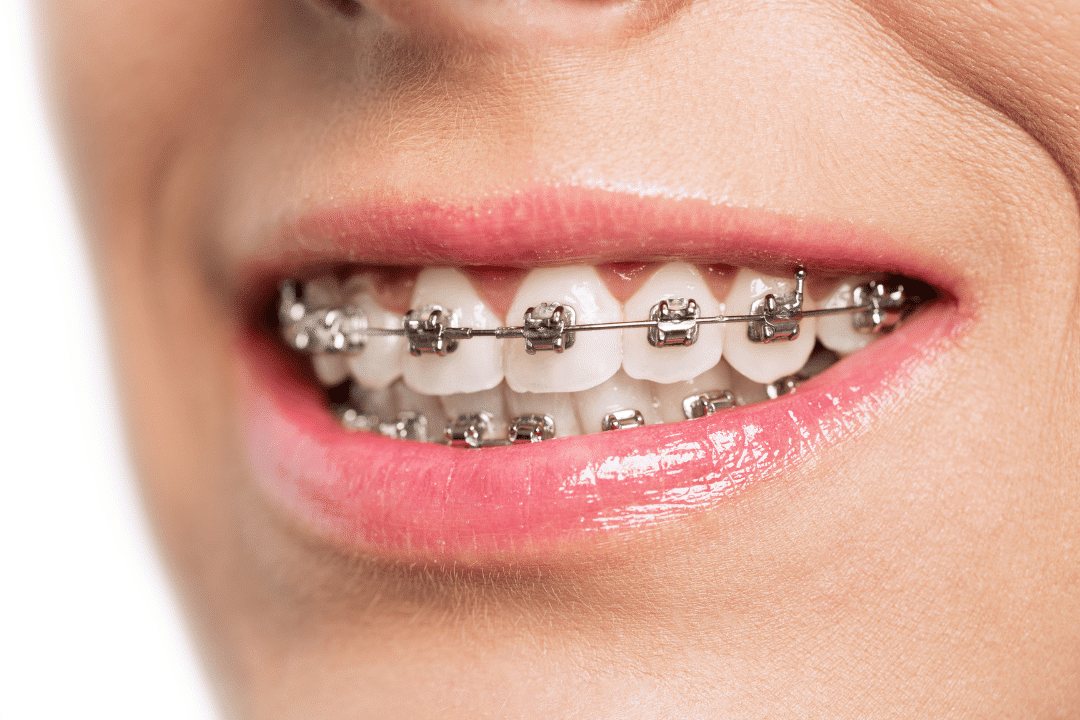
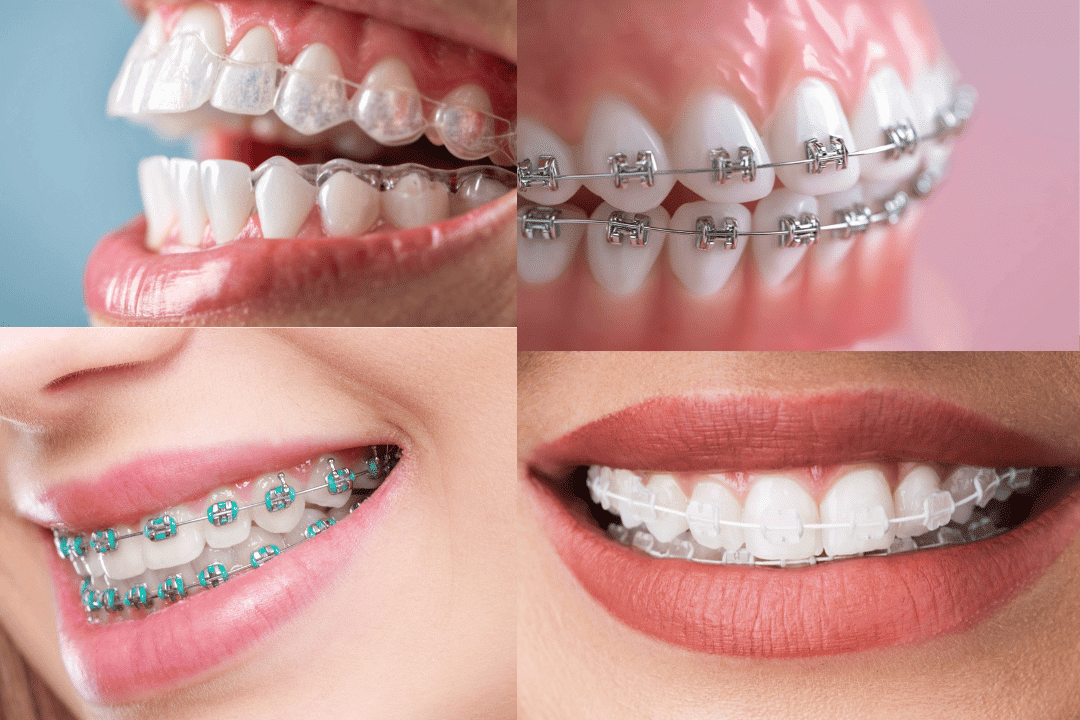
When considering orthodontic treatment, it's essential to understand the various types of braces available. Each type has unique features that cater to different patient needs and preferences. Metal braces are the most common and effective for a wide range of orthodontic issues, while ceramic braces offer a more discreet option. Lingual braces, placed on the back of the teeth, provide an invisible solution for those seeking aesthetic considerations.
Patients should assess their lifestyle and treatment goals when choosing between these options. For instance, metal braces are typically more durable and effective for complex cases, while ceramic braces blend better with the teeth for a less noticeable appearance. Lingual braces, while effective, may require a longer adjustment period and can be more challenging to clean. Understanding these differences can help patients make informed decisions about their orthodontic care.
The Role of Retainers After Orthodontic Treatment
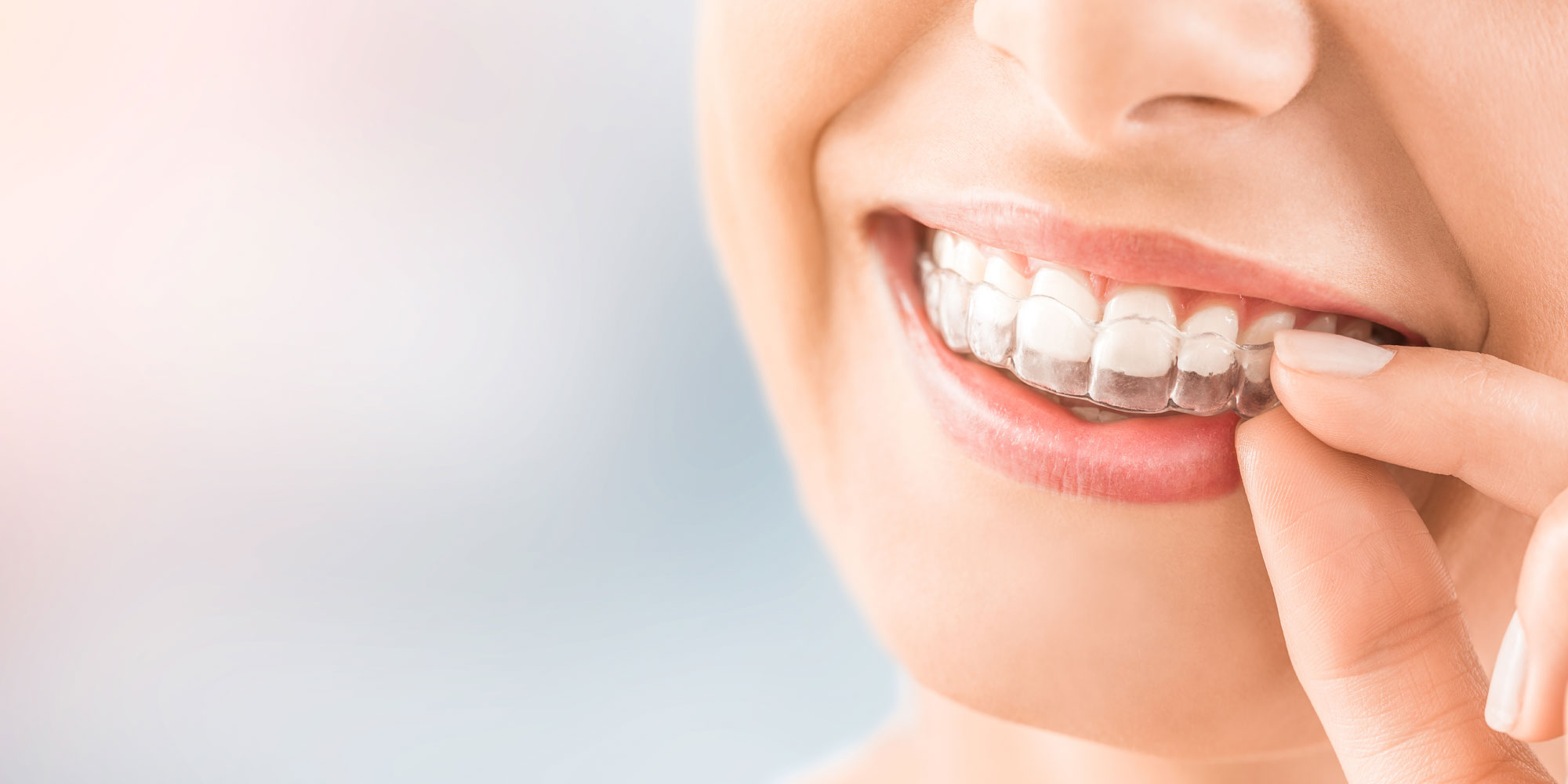
After completing orthodontic treatment, wearing retainers is crucial to maintaining the new position of your teeth. Retainers help prevent teeth from shifting back to their original positions, ensuring the longevity of your orthodontic results. They can be removable or fixed, and your orthodontist will recommend the best type based on your individual needs.
Regular follow-up appointments will help monitor your progress and adjust retainer wear as necessary. It's important to follow your orthodontist's instructions regarding retainer usage, as consistent wear during the initial months post-treatment can significantly impact the stability of your smile. Neglecting retainer wear can lead to unwanted movement, making it essential for patients to prioritize this aspect of their orthodontic care.
The Impact of Diet on Orthodontic Treatment Success
Your diet plays a significant role in the success of orthodontic treatment. Certain foods can hinder progress or even damage braces. Patients are advised to avoid hard, sticky, or chewy foods that can break brackets or dislodge wires. Instead, focusing on softer foods can help protect orthodontic appliances and ensure a smoother treatment experience.
Additionally, maintaining good oral hygiene while undergoing orthodontic treatment is vital. A balanced diet rich in vitamins and minerals supports overall oral health, which can enhance the effectiveness of braces or aligners. Regular brushing and flossing, combined with a mindful diet, can help prevent cavities and gum disease, ensuring that your teeth remain healthy throughout the orthodontic process.
Innovations in Orthodontic Technology: What to Expect in the Future
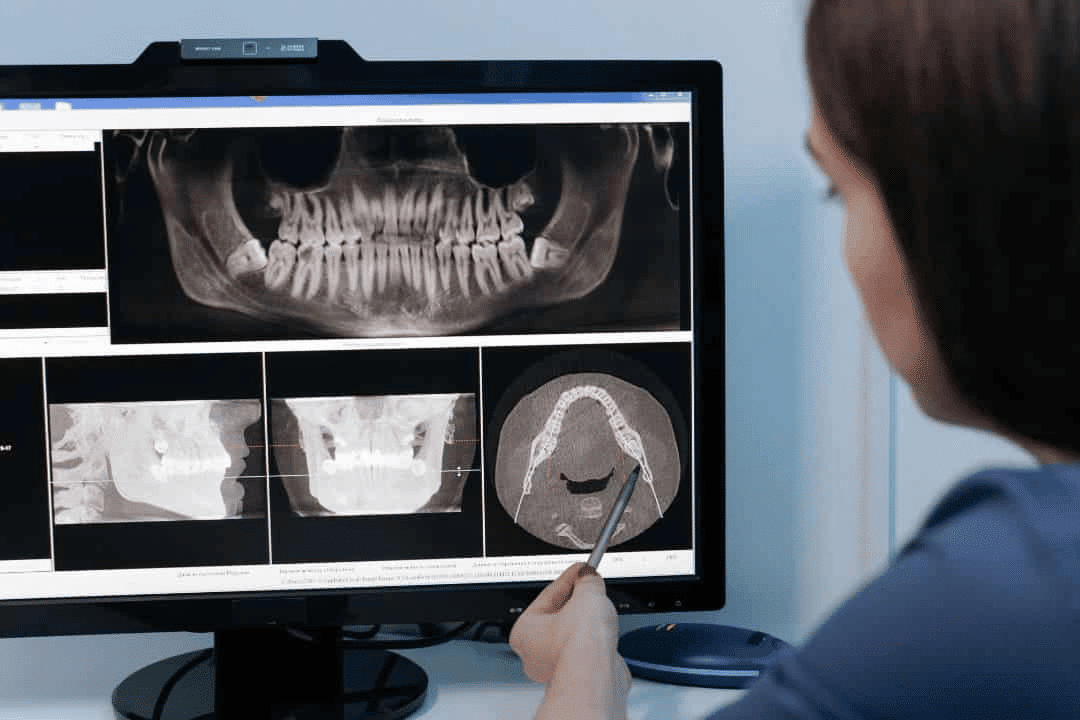
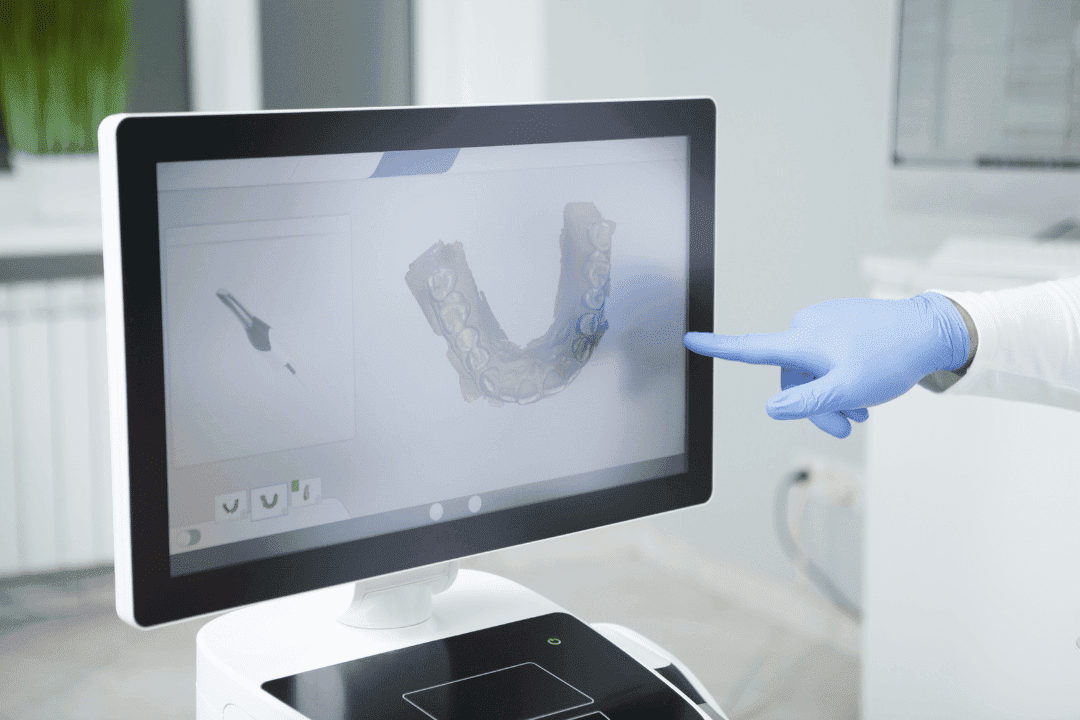
The field of orthodontics is constantly evolving, with new technologies enhancing treatment options and patient experiences. Innovations such as 3D printing, AI-driven treatment planning, and advanced imaging techniques are transforming how orthodontists diagnose and treat dental issues. These advancements not only improve precision but also reduce treatment times and enhance patient comfort.
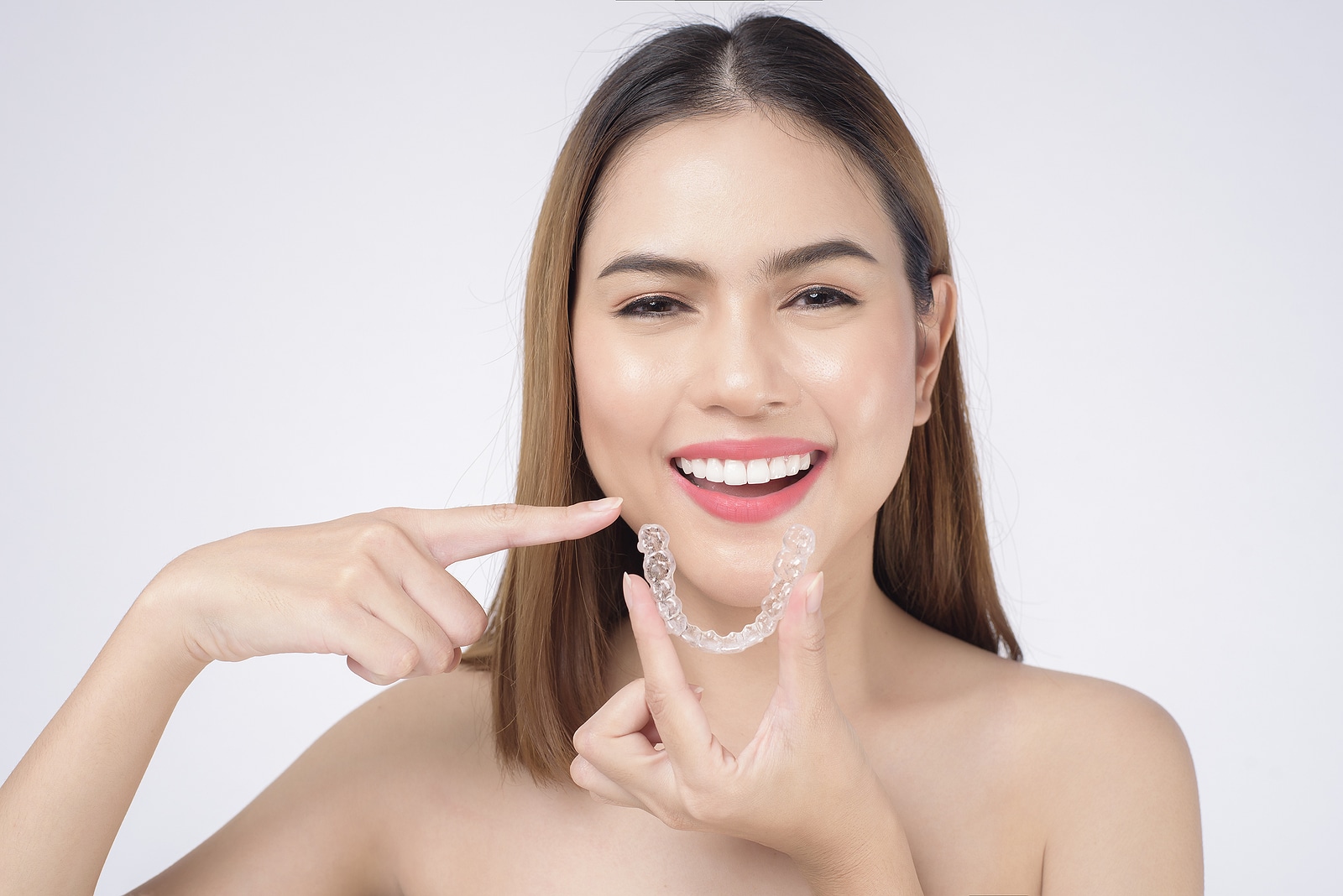
As technology continues to advance, patients can expect even more personalized and efficient care. Future developments may include smarter aligner systems that adapt to individual tooth movements, virtual reality tools for patient education, and improved methods for remote monitoring of treatment progress. Staying informed about these innovations can help patients take advantage of the latest advancements in orthodontic care.
Understanding Different Types of Braces: Metal, Ceramic, and Lingual Options
When considering orthodontic treatment, it's essential to understand the various types of braces available. Each type has unique features that cater to different patient needs and preferences. Metal braces are the most common and effective for a wide range of orthodontic issues, while ceramic braces offer a more discreet option. Lingual braces, placed on the back of the teeth, provide an invisible solution for those seeking aesthetic considerations.
Patients should assess their lifestyle and treatment goals when choosing between these options. For instance, metal braces are typically more durable and effective for complex cases, while ceramic braces blend better with the teeth for a less noticeable appearance. Lingual braces, while effective, may require a longer adjustment period and can be more challenging to clean. Understanding these differences can help patients make informed decisions about their orthodontic care.
The Role of Retainers After Orthodontic Treatment
After completing orthodontic treatment, wearing retainers is crucial to maintaining the new position of your teeth. Retainers help prevent teeth from shifting back to their original positions, ensuring the longevity of your orthodontic results. They can be removable or fixed, and your orthodontist will recommend the best type based on your individual needs.
Regular follow-up appointments will help monitor your progress and adjust retainer wear as necessary. It's important to follow your orthodontist's instructions regarding retainer usage, as consistent wear during the initial months post-treatment can significantly impact the stability of your smile. Neglecting retainer wear can lead to unwanted movement, making it essential for patients to prioritize this aspect of their orthodontic care.
The Impact of Diet on Orthodontic Treatment Success
Your diet plays a significant role in the success of orthodontic treatment. Certain foods can hinder progress or even damage braces. Patients are advised to avoid hard, sticky, or chewy foods that can break brackets or dislodge wires. Instead, focusing on softer foods can help protect orthodontic appliances and ensure a smoother treatment experience.
Additionally, maintaining good oral hygiene while undergoing orthodontic treatment is vital. A balanced diet rich in vitamins and minerals supports overall oral health, which can enhance the effectiveness of braces or aligners. Regular brushing and flossing, combined with a mindful diet, can help prevent cavities and gum disease, ensuring that your teeth remain healthy throughout the orthodontic process.
Innovations in Orthodontic Technology: What to Expect in the Future
The field of orthodontics is constantly evolving, with new technologies enhancing treatment options and patient experiences. Innovations such as 3D printing, AI-driven treatment planning, and advanced imaging techniques are transforming how orthodontists diagnose and treat dental issues. These advancements not only improve precision but also reduce treatment times and enhance patient comfort.
As technology continues to advance, patients can expect even more personalized and efficient care. Future developments may include smarter aligner systems that adapt to individual tooth movements, virtual reality tools for patient education, and improved methods for remote monitoring of treatment progress. Staying informed about these innovations can help patients take advantage of the latest advancements in orthodontic care.