Understanding the Benefits of Invisalign Over Traditional Braces
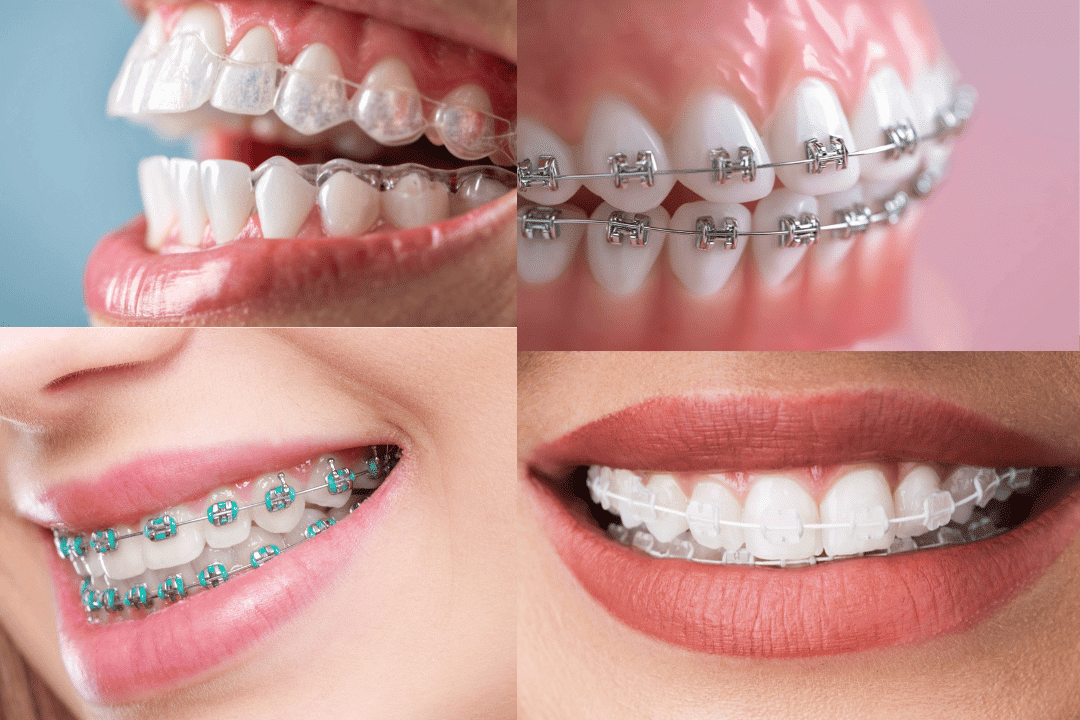
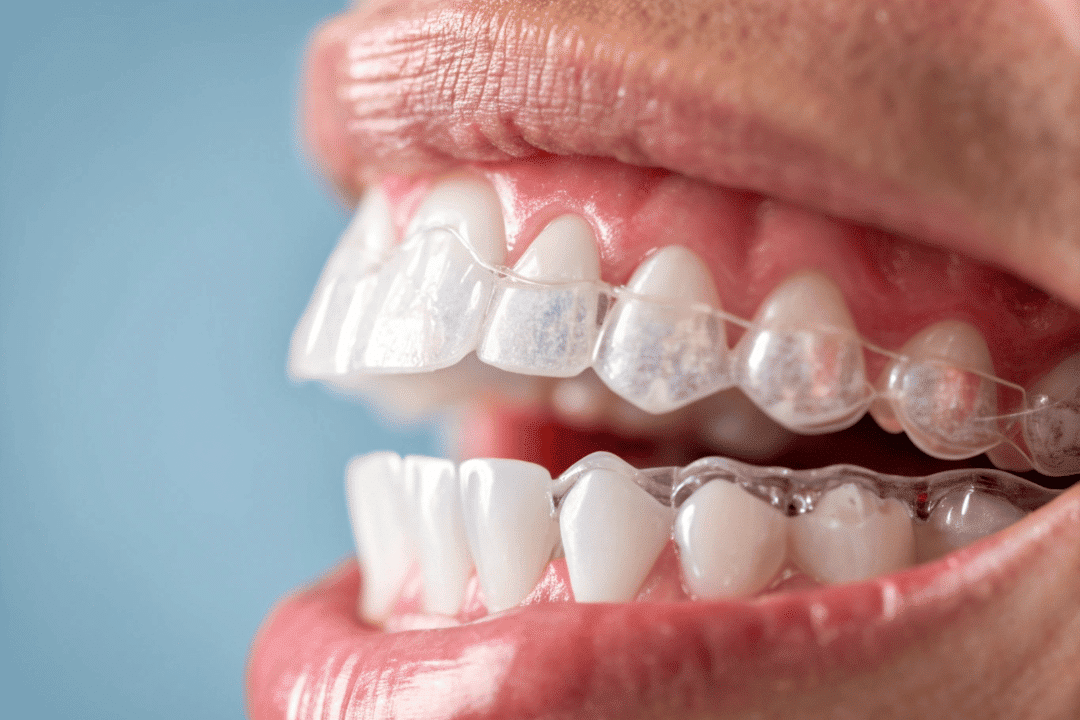
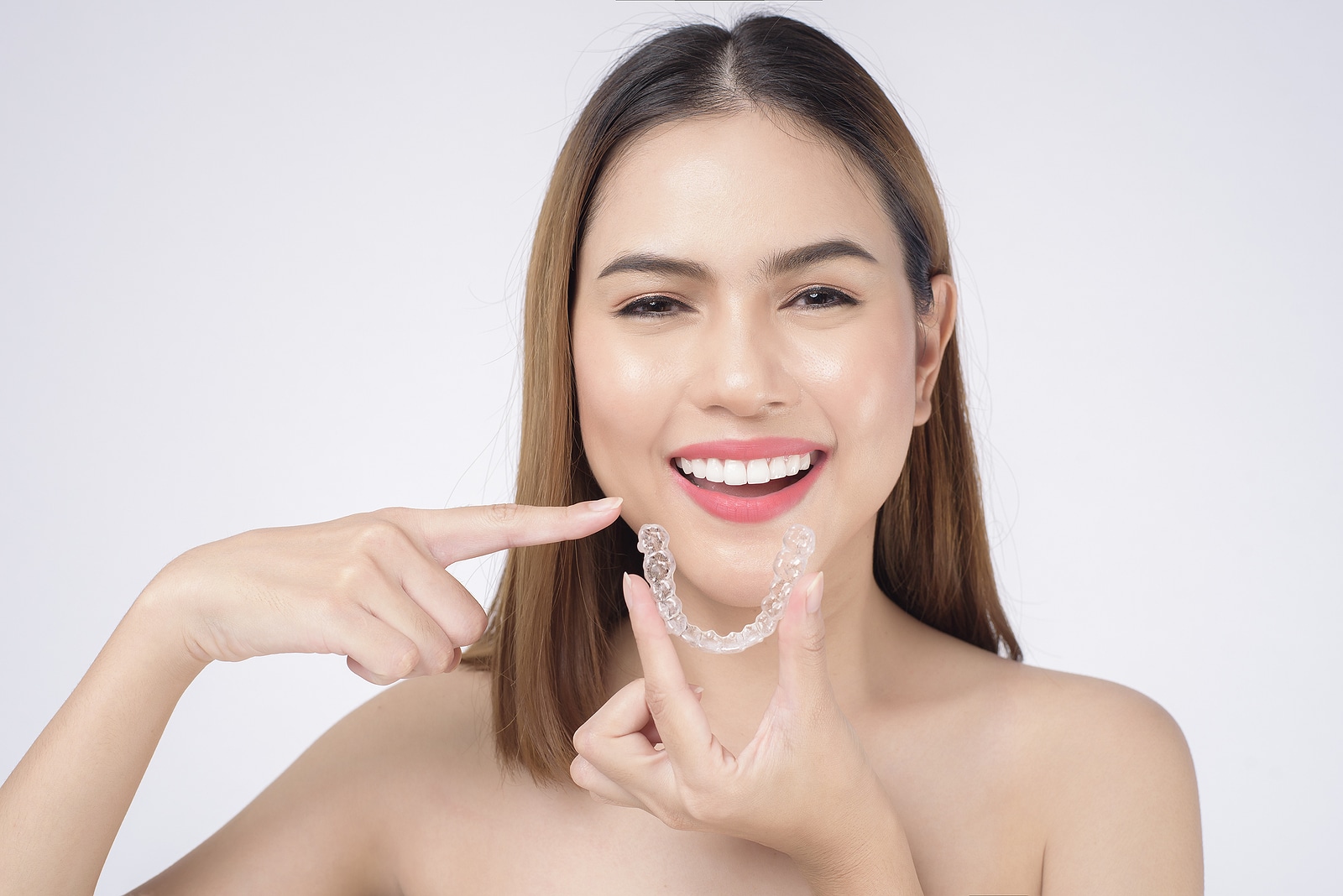
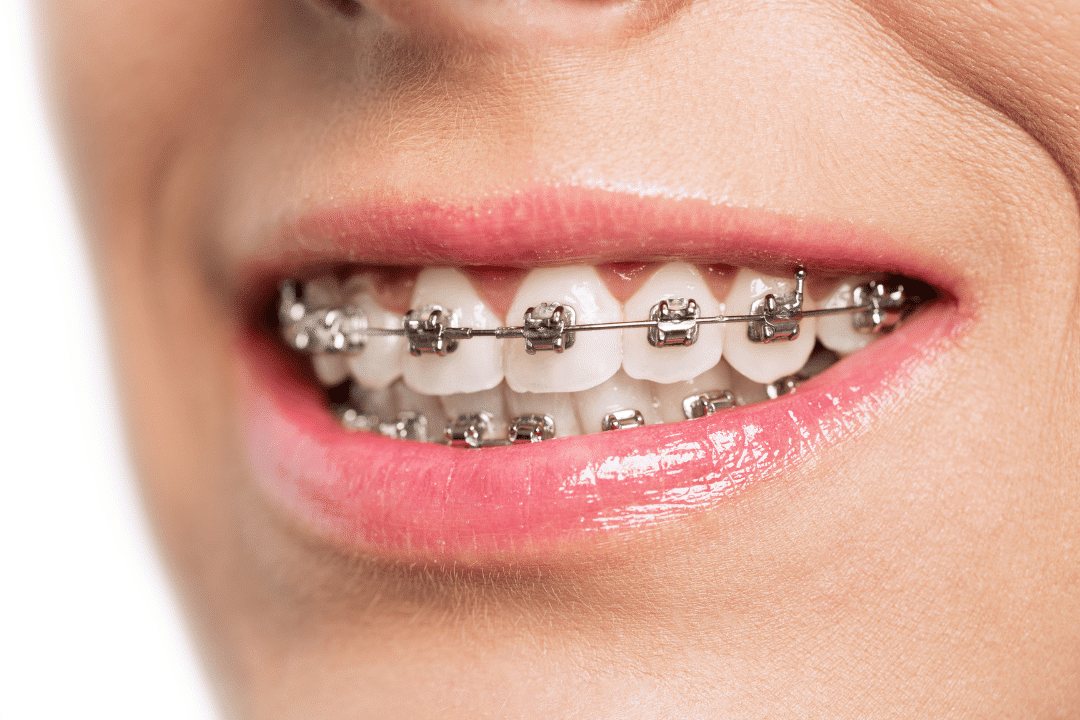
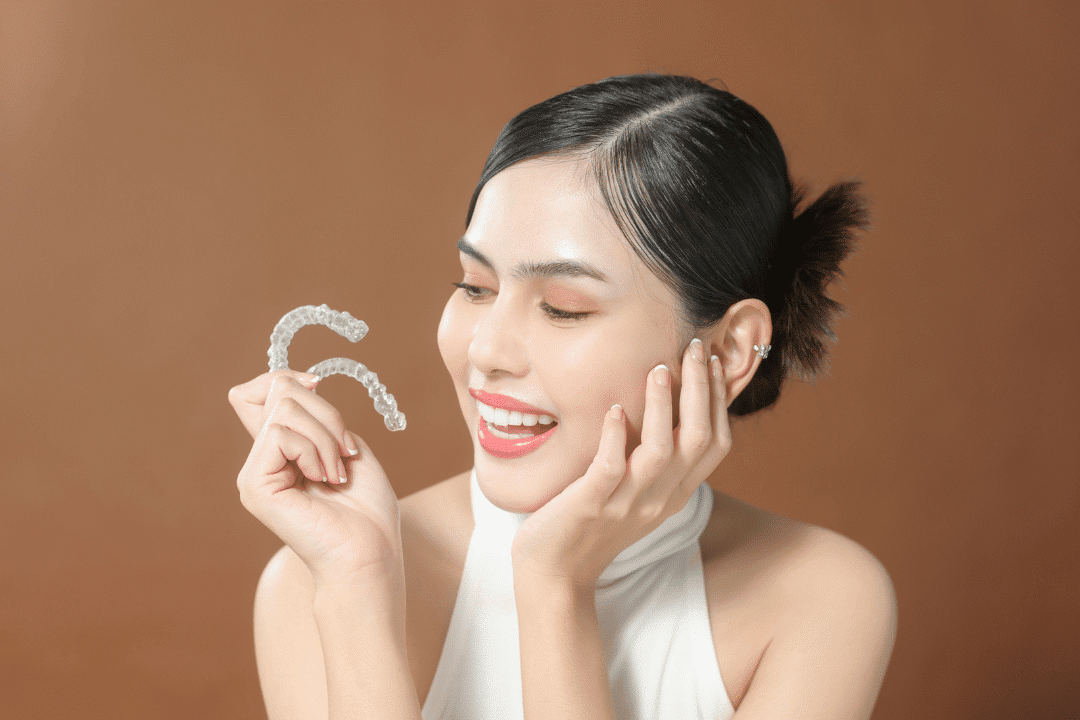
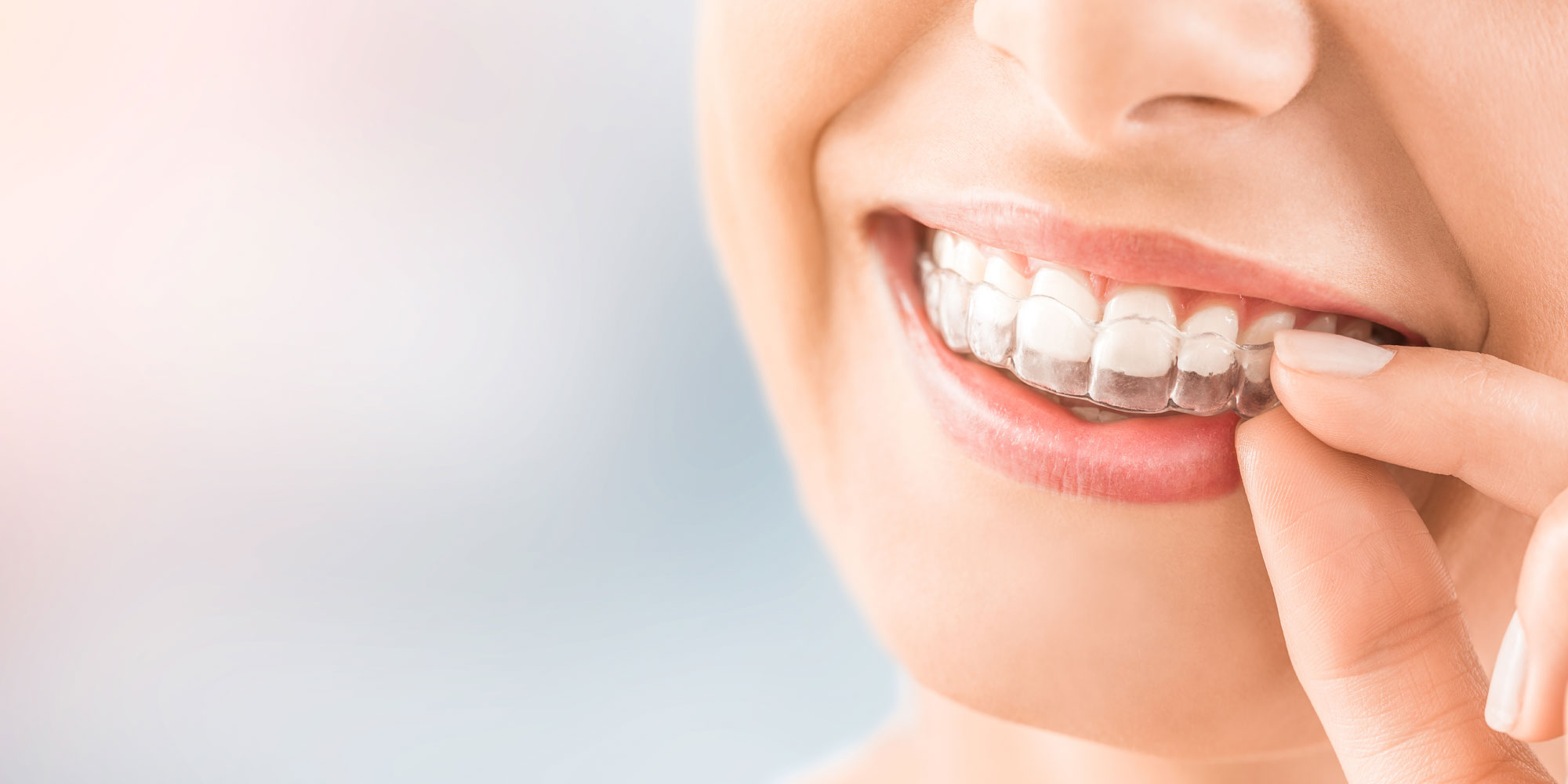
Invisalign clear aligners offer numerous advantages compared to traditional metal braces, making them a popular choice among patients seeking orthodontic treatment. One of the main benefits is the aesthetic appeal, as these aligners are virtually invisible, allowing patients to maintain their natural smile during treatment.
Additionally, Invisalign aligners are removable, which means patients can enjoy their favorite foods without restrictions and maintain better oral hygiene by brushing and flossing normally. Studies show that patients often experience less discomfort with Invisalign compared to traditional braces, thanks to the smooth plastic material that minimizes irritation to the gums and cheeks.
How to Choose the Right Orthodontic Treatment for Your Needs
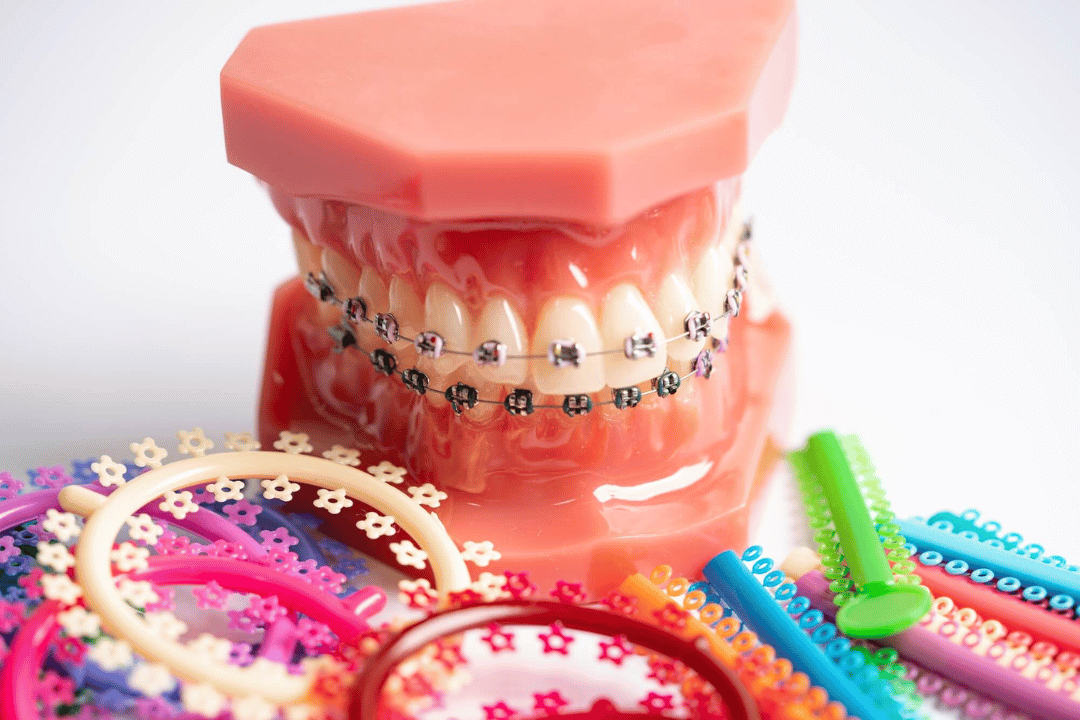
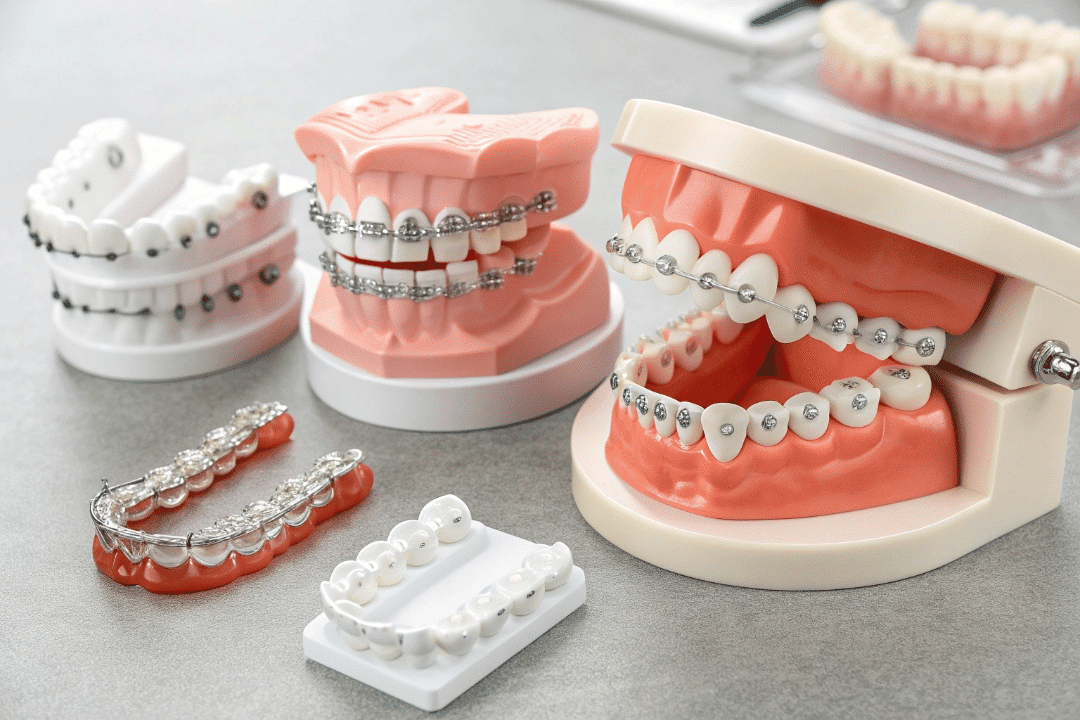
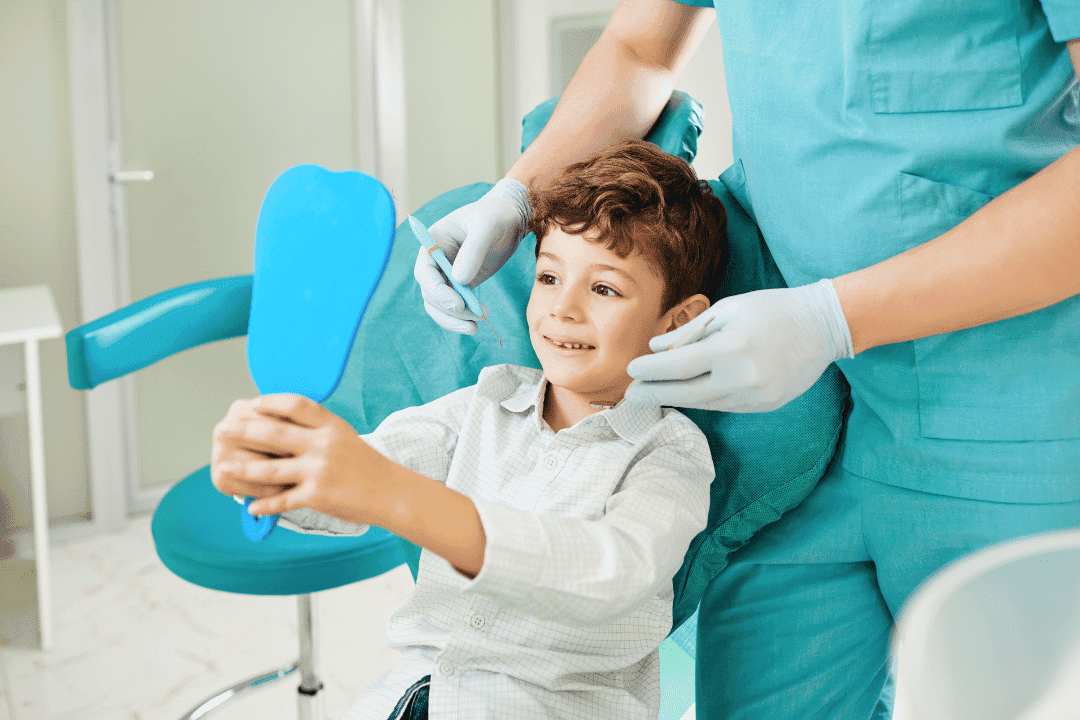
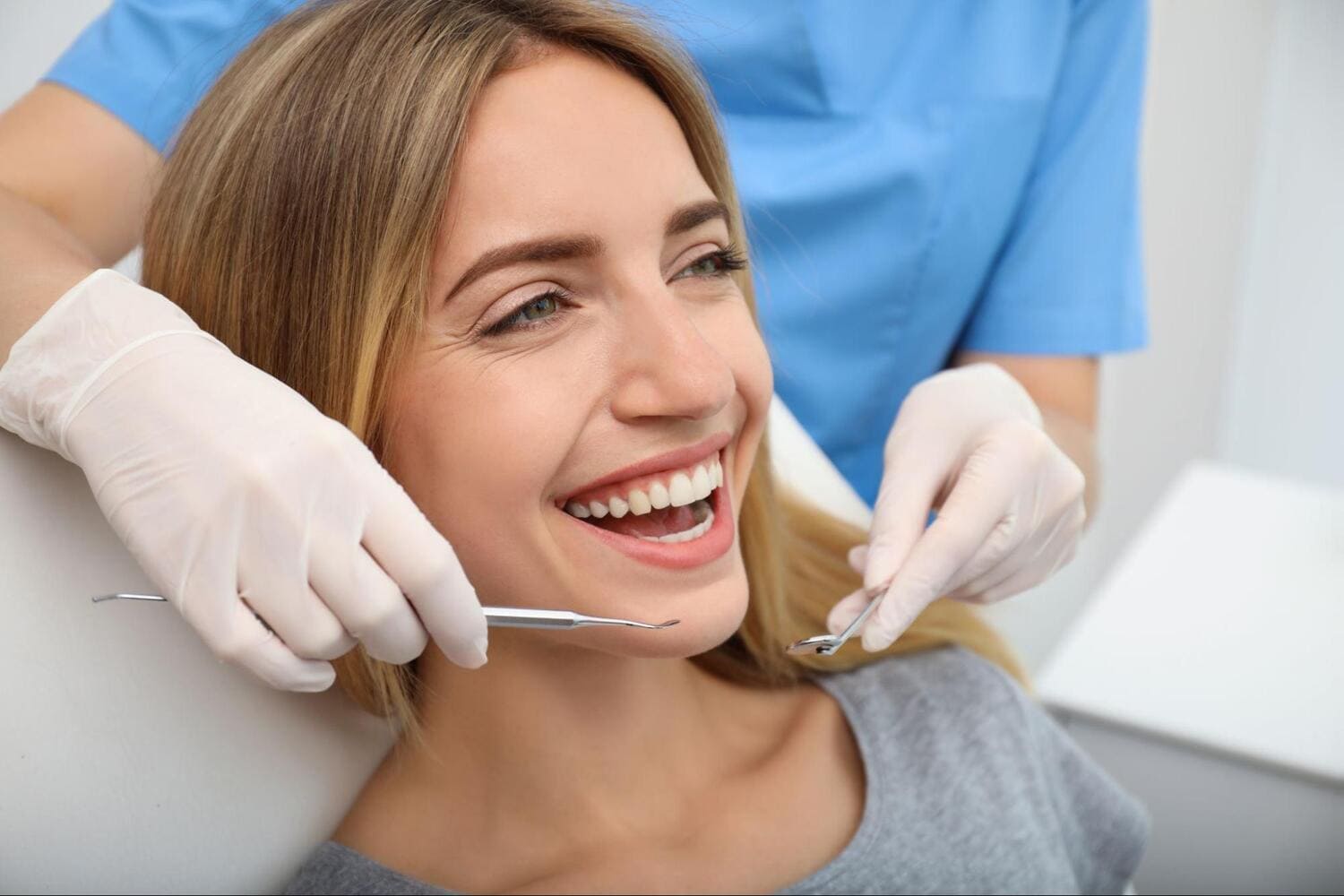
Selecting the appropriate orthodontic treatment can be overwhelming due to the variety of options available, including braces, clear aligners, and retainers. It's essential to consider factors such as the severity of misalignment, personal preferences, and lifestyle when making this decision. Consulting with an experienced orthodontist can provide valuable insights tailored to individual needs.
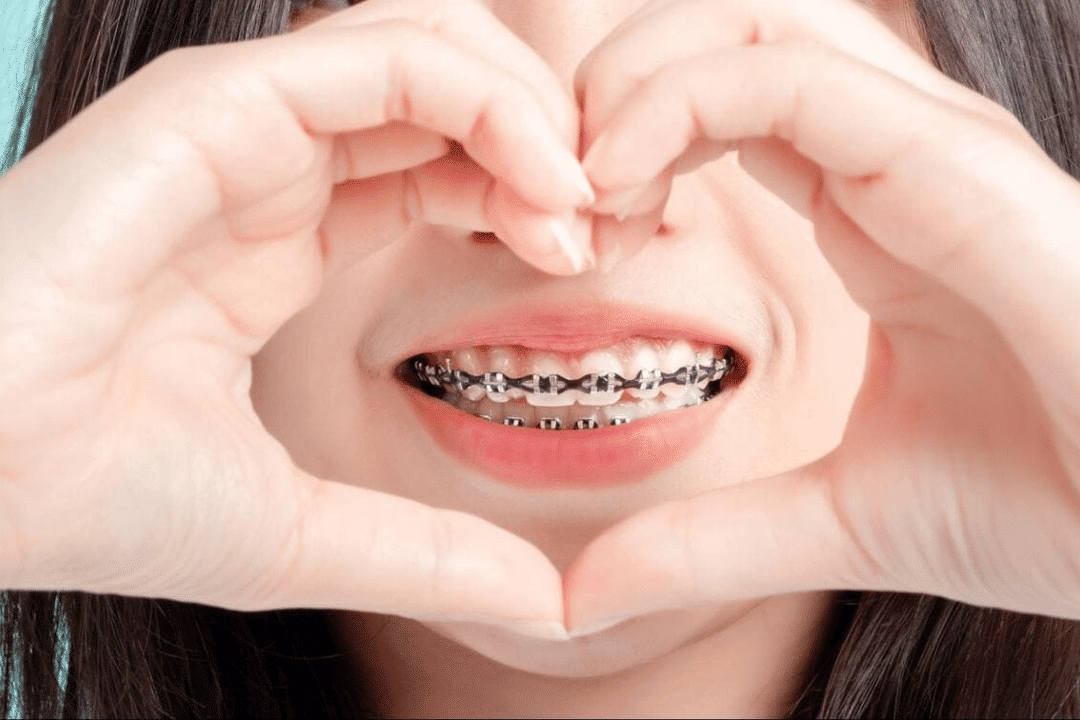
Moreover, understanding the specific benefits and limitations of each treatment option can empower patients to make informed choices. For instance, while braces may be more effective for complex dental issues, clear aligners like Invisalign offer a more discreet and comfortable experience for mild to moderate cases.
Maintaining Your Oral Health During Orthodontic Treatment
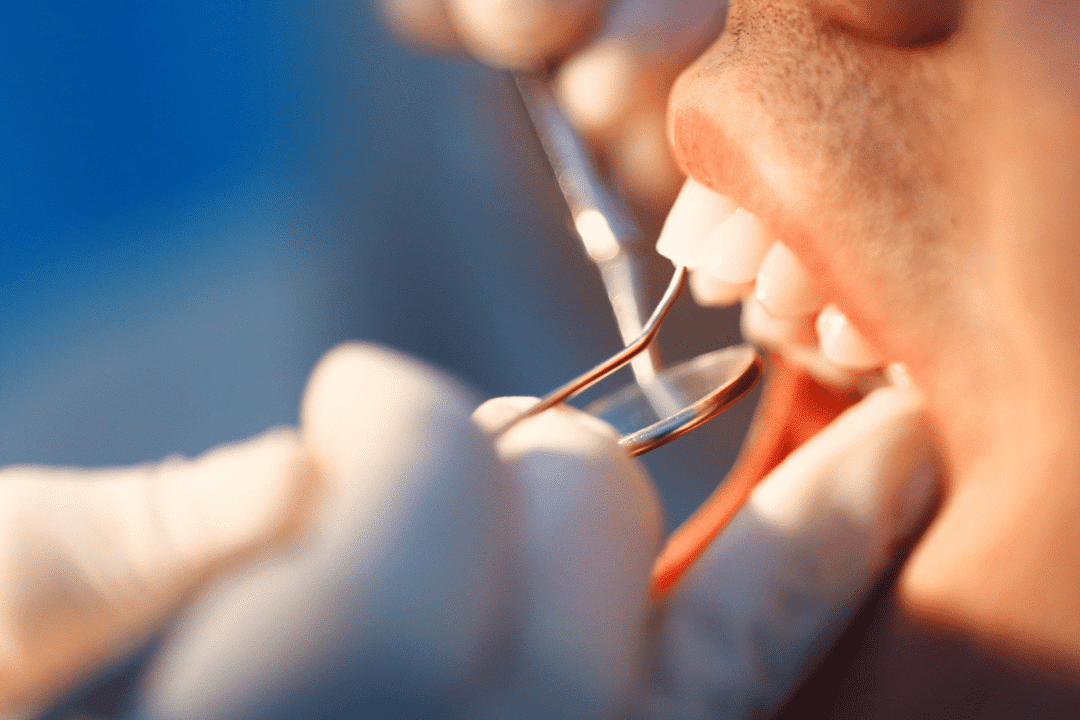
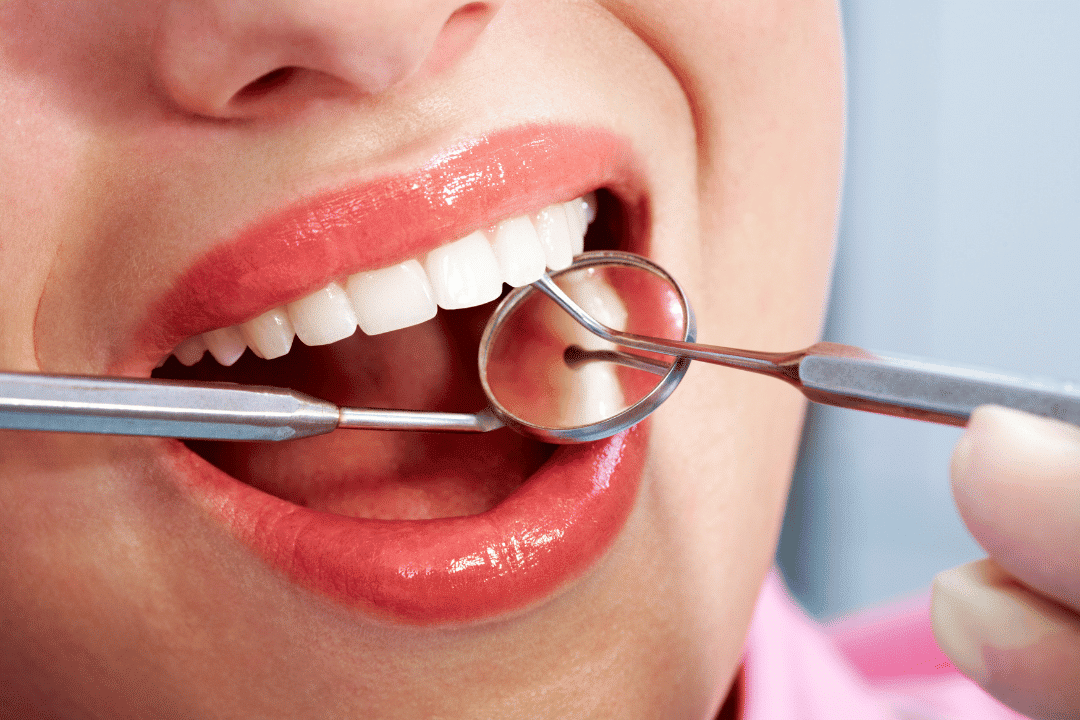
Maintaining optimal oral health during orthodontic treatment is crucial for achieving the best results. Patients should adhere to a rigorous oral hygiene routine that includes brushing at least twice a day and flossing daily, especially when using braces or clear aligners. Regular dental check-ups are also recommended to monitor oral health and address any concerns promptly.
Additionally, patients should be mindful of their dietary choices. Avoiding hard, sticky, or sugary foods can prevent damage to braces and reduce the risk of cavities. For those using Invisalign, it’s essential to clean the aligners regularly to prevent staining and ensure a fresh, clean fit.
The Role of Technology in Modern Orthodontics
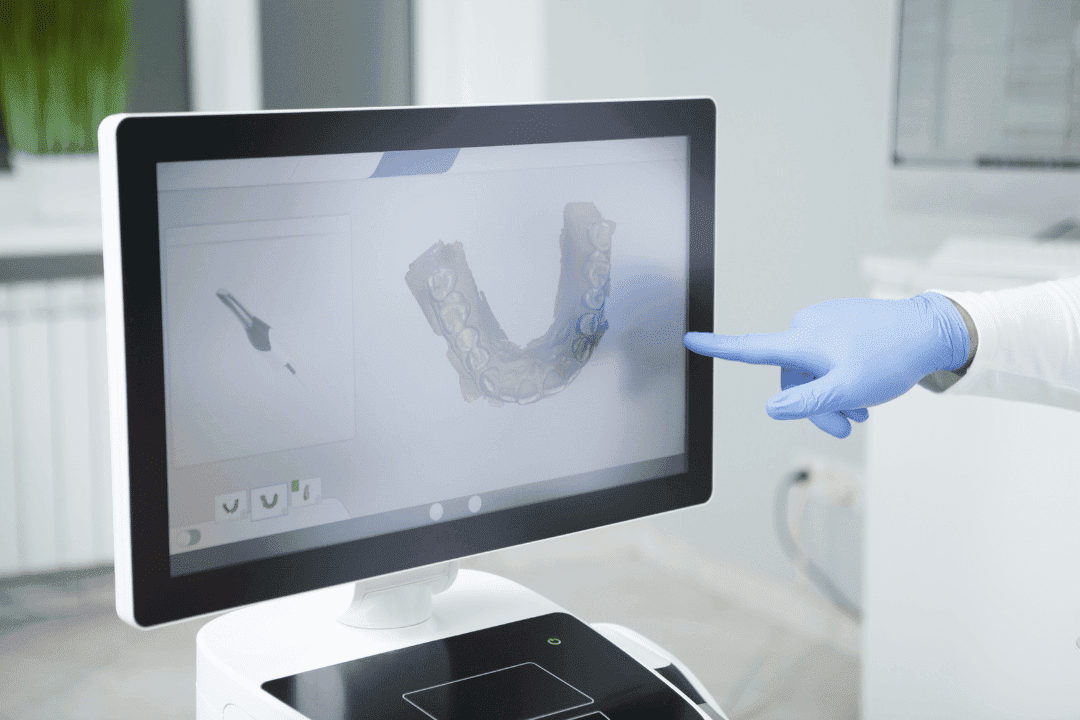
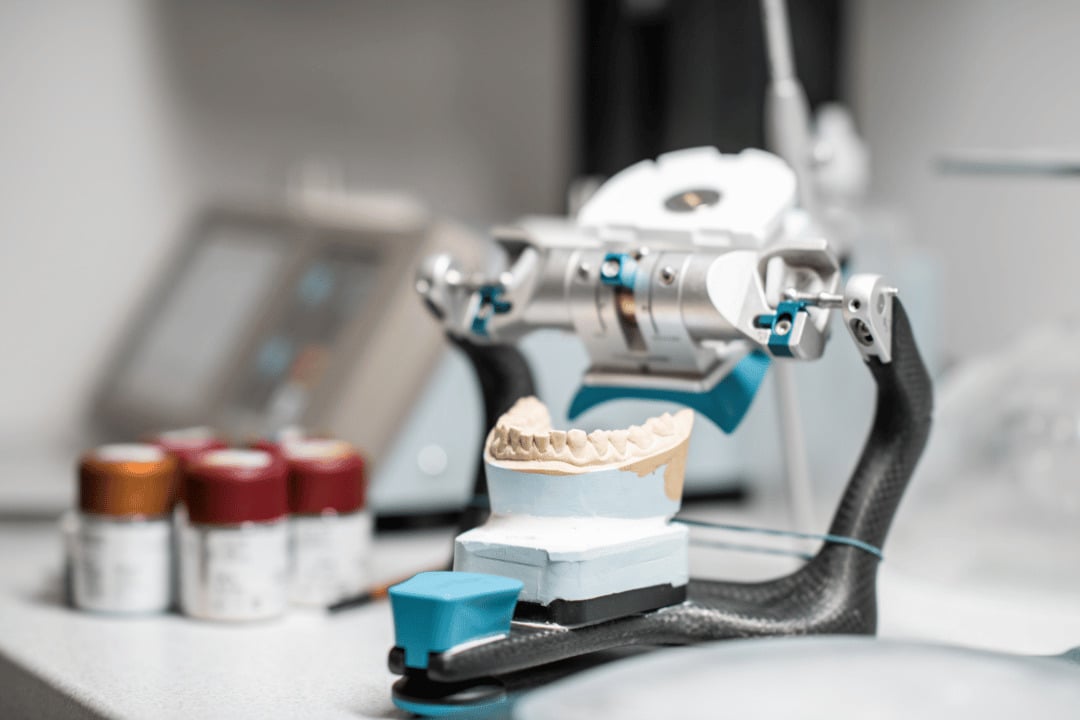
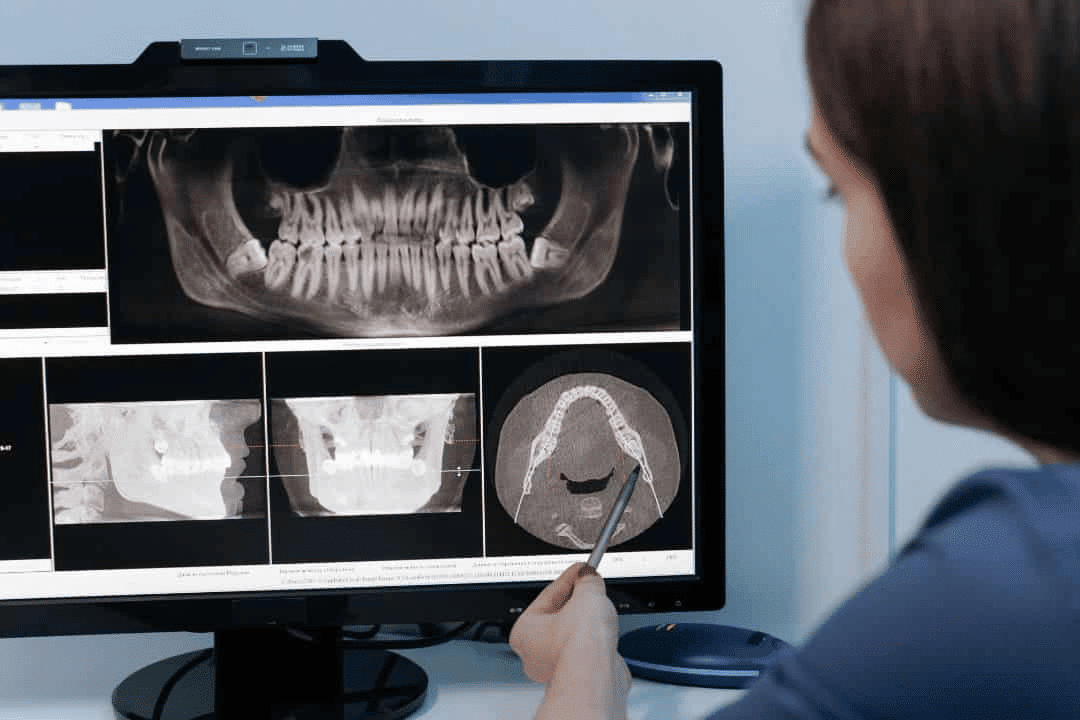
Advancements in technology have significantly enhanced the field of orthodontics, leading to more efficient and effective treatments. Digital imaging and 3D printing, for example, allow orthodontists to create precise treatment plans and custom aligners tailored to each patient's unique dental structure.
Moreover, tools such as intraoral scanners eliminate the need for messy impressions, making the process more comfortable for patients. These technological innovations not only improve the accuracy of treatments but also shorten the overall duration of orthodontic care, allowing patients to achieve their desired results faster than ever before.
Understanding the Benefits of Invisalign Over Traditional Braces
Invisalign clear aligners offer numerous advantages compared to traditional metal braces, making them a popular choice among patients seeking orthodontic treatment. One of the main benefits is the aesthetic appeal, as these aligners are virtually invisible, allowing patients to maintain their natural smile during treatment.
Additionally, Invisalign aligners are removable, which means patients can enjoy their favorite foods without restrictions and maintain better oral hygiene by brushing and flossing normally. Studies show that patients often experience less discomfort with Invisalign compared to traditional braces, thanks to the smooth plastic material that minimizes irritation to the gums and cheeks.
How to Choose the Right Orthodontic Treatment for Your Needs
Selecting the appropriate orthodontic treatment can be overwhelming due to the variety of options available, including braces, clear aligners, and retainers. It's essential to consider factors such as the severity of misalignment, personal preferences, and lifestyle when making this decision. Consulting with an experienced orthodontist can provide valuable insights tailored to individual needs.
Moreover, understanding the specific benefits and limitations of each treatment option can empower patients to make informed choices. For instance, while braces may be more effective for complex dental issues, clear aligners like Invisalign offer a more discreet and comfortable experience for mild to moderate cases.
Maintaining Your Oral Health During Orthodontic Treatment
Maintaining optimal oral health during orthodontic treatment is crucial for achieving the best results. Patients should adhere to a rigorous oral hygiene routine that includes brushing at least twice a day and flossing daily, especially when using braces or clear aligners. Regular dental check-ups are also recommended to monitor oral health and address any concerns promptly.
Additionally, patients should be mindful of their dietary choices. Avoiding hard, sticky, or sugary foods can prevent damage to braces and reduce the risk of cavities. For those using Invisalign, it’s essential to clean the aligners regularly to prevent staining and ensure a fresh, clean fit.
The Role of Technology in Modern Orthodontics
Advancements in technology have significantly enhanced the field of orthodontics, leading to more efficient and effective treatments. Digital imaging and 3D printing, for example, allow orthodontists to create precise treatment plans and custom aligners tailored to each patient's unique dental structure.
Moreover, tools such as intraoral scanners eliminate the need for messy impressions, making the process more comfortable for patients. These technological innovations not only improve the accuracy of treatments but also shorten the overall duration of orthodontic care, allowing patients to achieve their desired results faster than ever before.