Understanding the Different Types of Braces Available for Adults
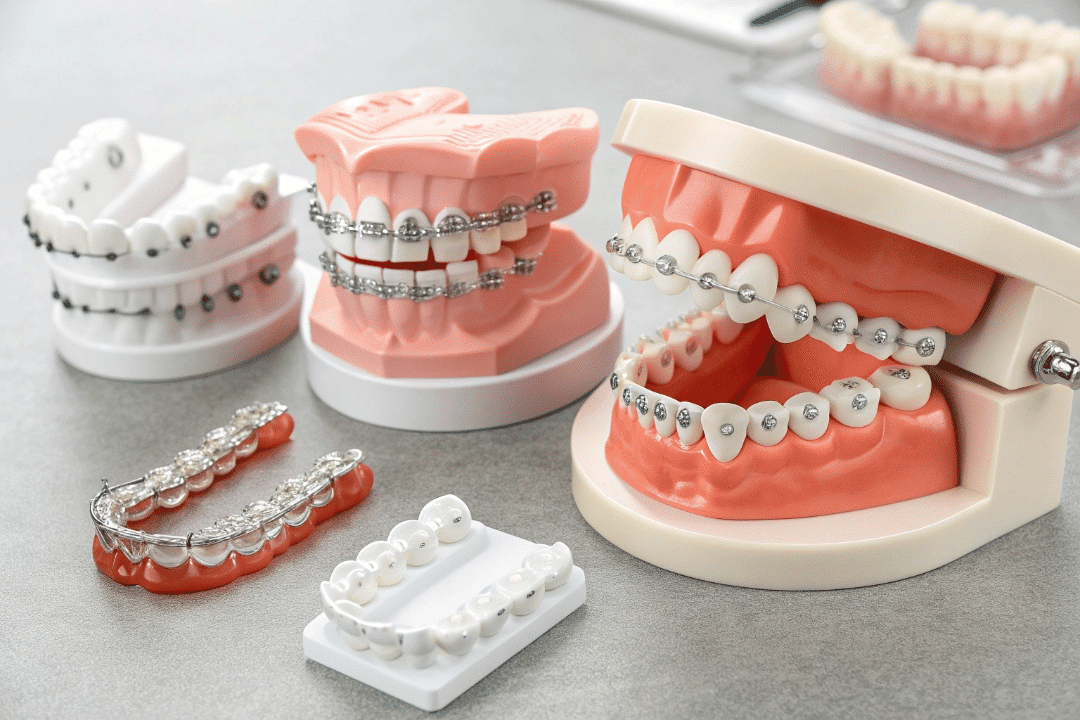
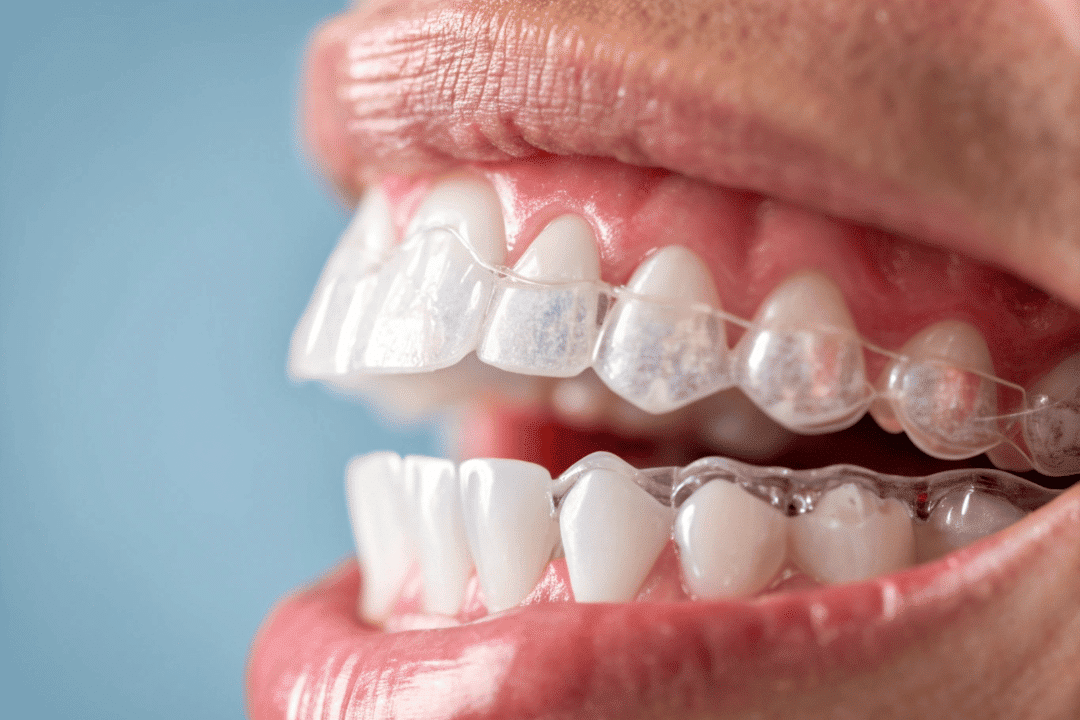
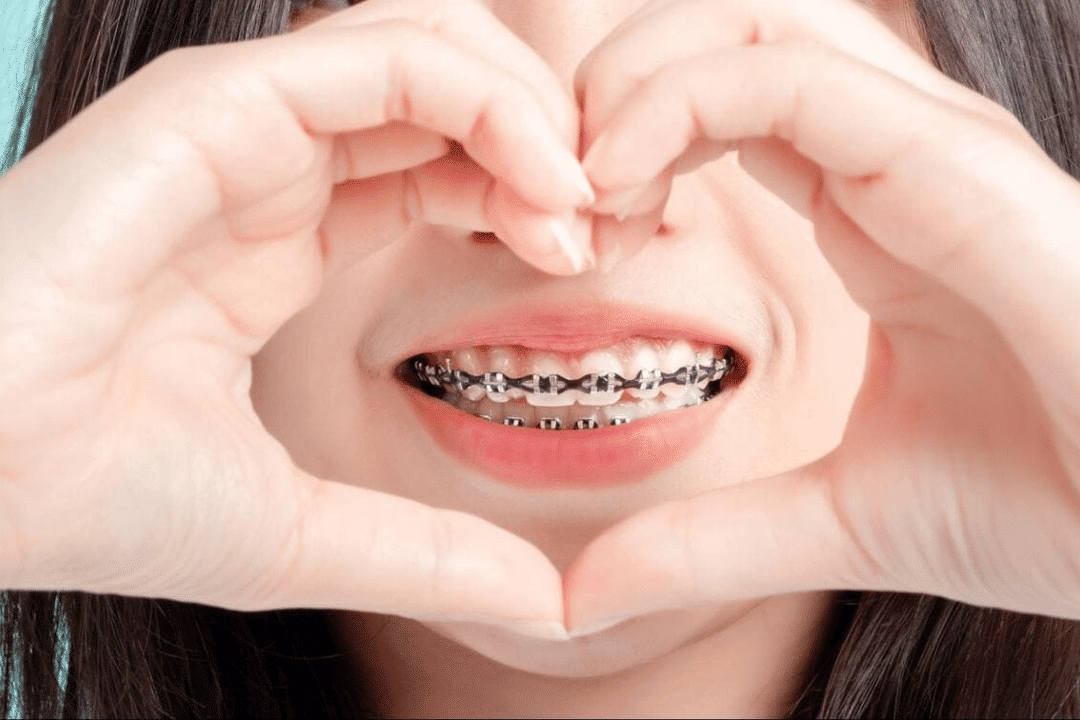
When considering orthodontic treatment, adults have various options for braces, each designed to address specific dental issues and aesthetic preferences. Traditional metal braces, ceramic braces, lingual braces, and clear aligners like Invisalign are all viable choices, and understanding their differences can help patients make informed decisions.
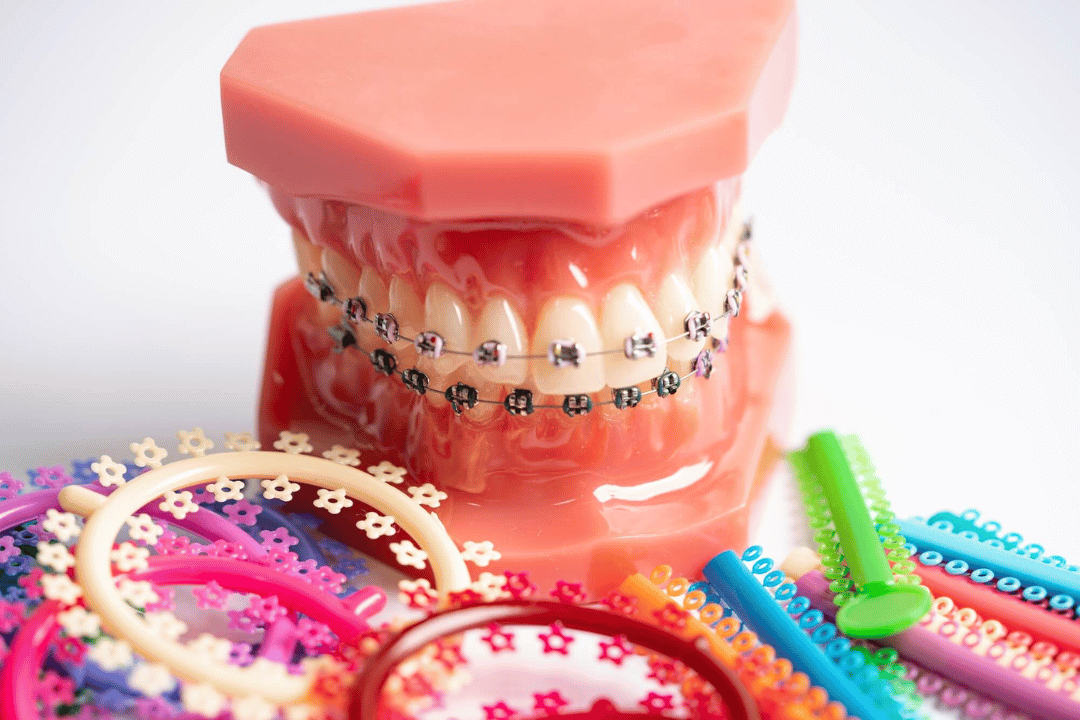
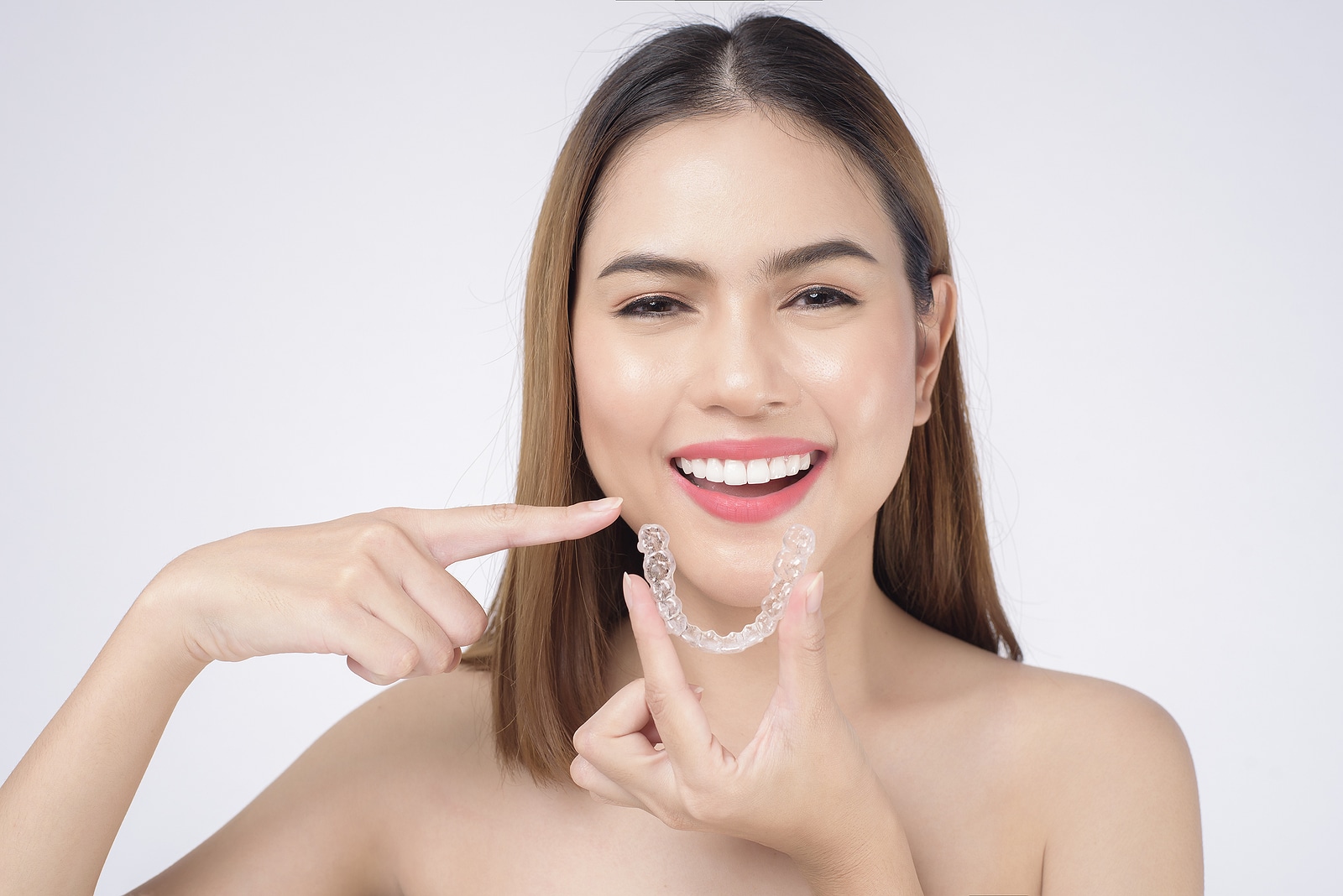
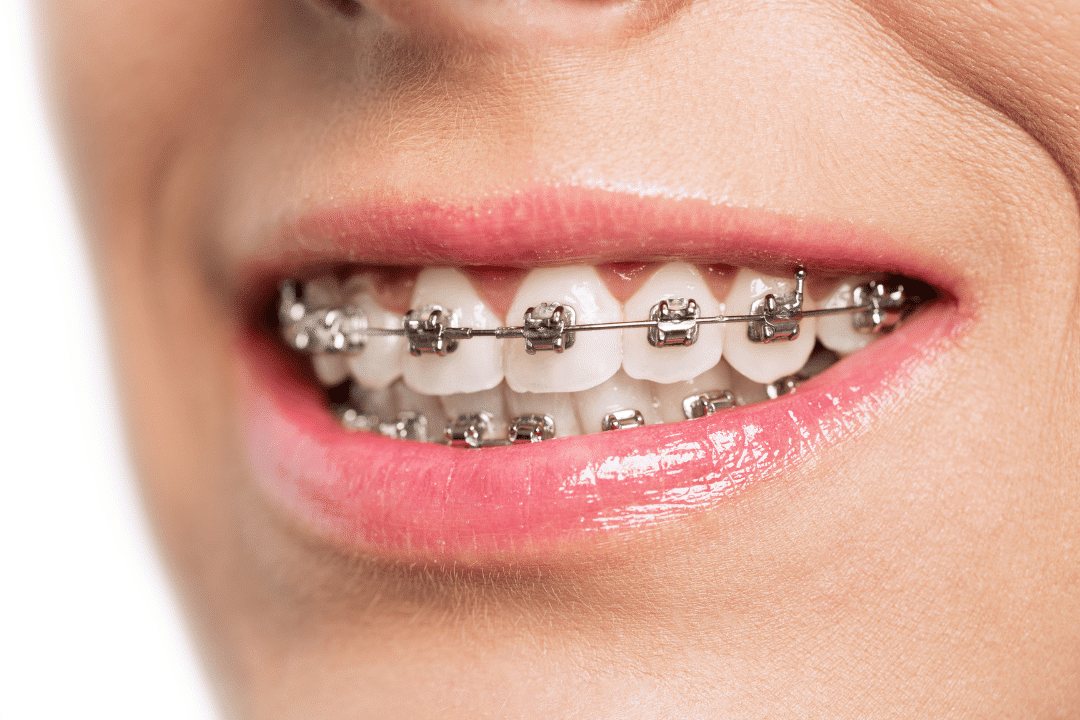
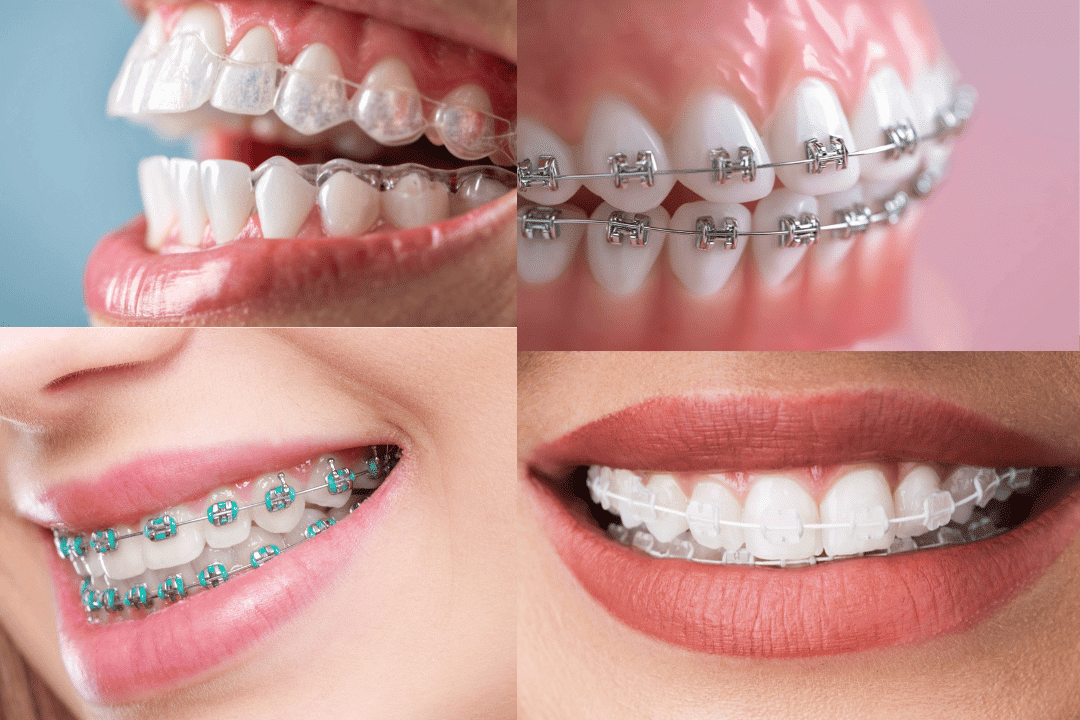
Metal braces are the most common and are known for their durability and effectiveness in treating complex dental issues. Ceramic braces offer a more discreet appearance, blending with the natural tooth color. Lingual braces are placed on the back of the teeth, making them virtually invisible. Clear aligners provide a removable option for those seeking flexibility and comfort, allowing for easier maintenance and hygiene.
The Importance of Retainers After Braces: Maintaining Your New Smile
After completing orthodontic treatment, wearing a retainer is crucial to maintaining the new position of your teeth. Retainers help prevent teeth from shifting back to their original positions, ensuring that the results of your braces last a lifetime.
There are various types of retainers, including fixed and removable options. Fixed retainers are bonded to the back of the teeth, while removable retainers can be taken out for cleaning. Consistent wear as directed by your orthodontist is essential for preserving your smile and overall oral health.
Common Myths About Adult Orthodontics Debunked
Many adults hesitate to seek orthodontic treatment due to common misconceptions about braces and their effectiveness for older patients. One prevalent myth is that braces are only for children and teenagers, but the truth is that adults can benefit significantly from orthodontic care at any age.
Another myth is that orthodontic treatment is only cosmetic. In reality, braces can improve oral health by correcting bite issues, enhancing jaw alignment, and making oral hygiene easier. Understanding these myths can empower adults to pursue the orthodontic care they need for a healthier smile.
How to Choose the Right Orthodontist for Your Treatment
Selecting the right orthodontist is a critical step in your orthodontic journey. It's essential to find a qualified professional who understands your specific needs and can provide personalized treatment options. Look for an orthodontist with a strong reputation, relevant experience, and a commitment to ongoing education in the field.
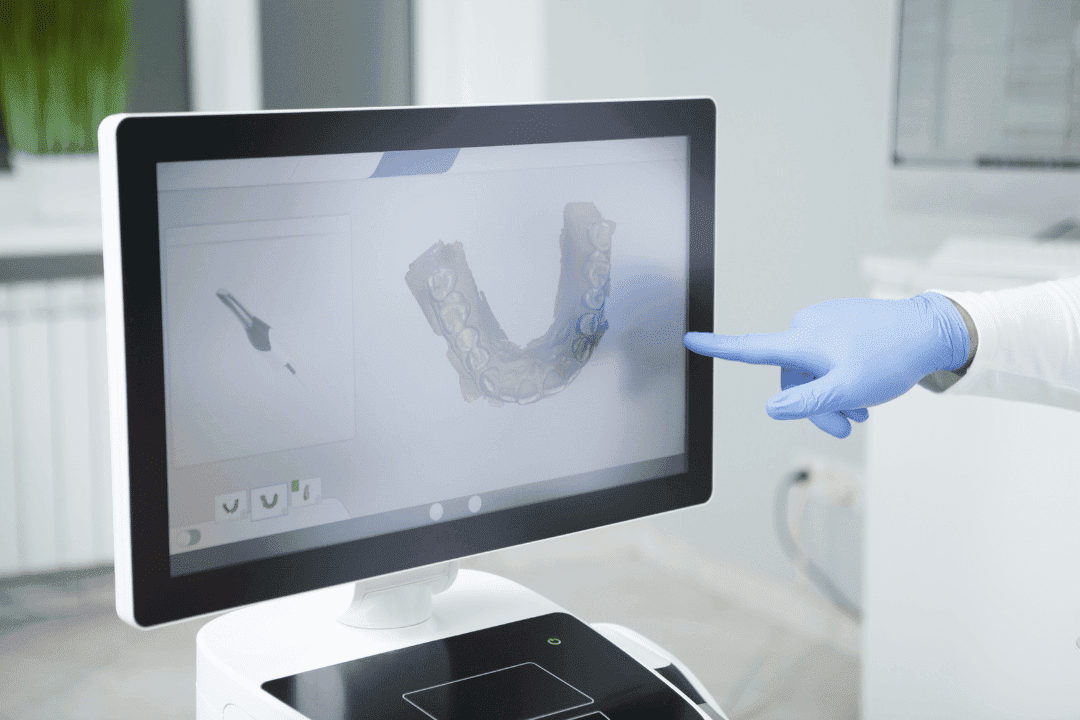
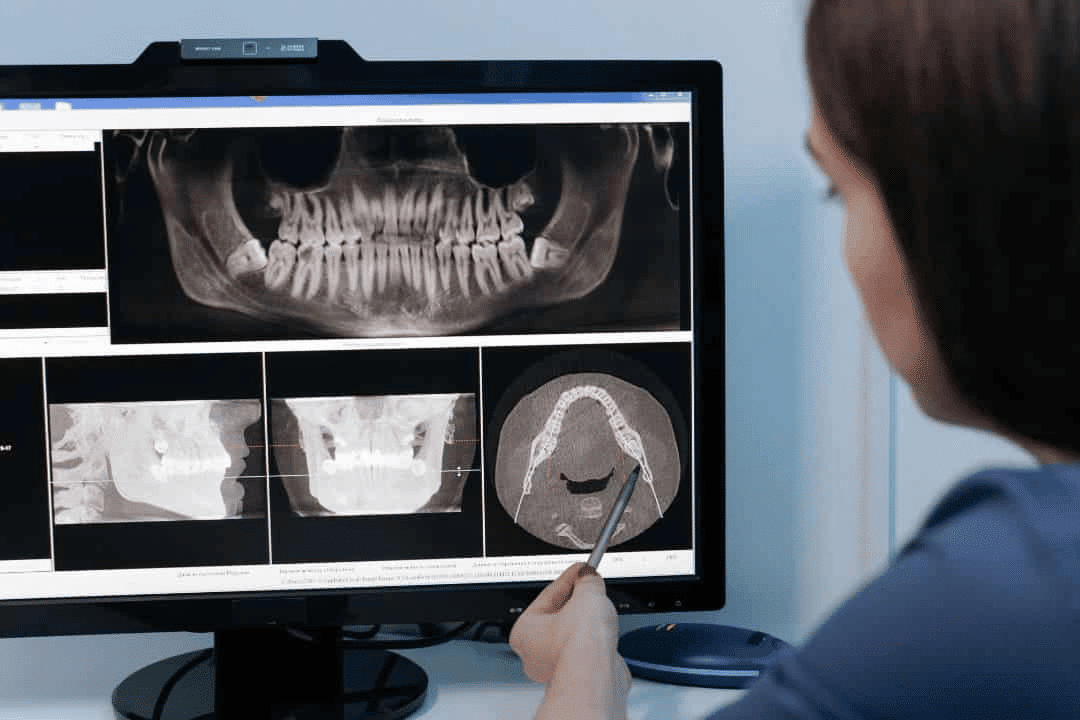
Additionally, consider scheduling consultations with potential orthodontists to discuss your goals and treatment options. Ask about their approach to care, the technologies they use, and their success stories. This will help you feel confident in your choice and ensure you receive the best possible care for your orthodontic needs.
Understanding the Different Types of Braces Available for Adults
When considering orthodontic treatment, adults have various options for braces, each designed to address specific dental issues and aesthetic preferences. Traditional metal braces, ceramic braces, lingual braces, and clear aligners like Invisalign are all viable choices, and understanding their differences can help patients make informed decisions.
Metal braces are the most common and are known for their durability and effectiveness in treating complex dental issues. Ceramic braces offer a more discreet appearance, blending with the natural tooth color. Lingual braces are placed on the back of the teeth, making them virtually invisible. Clear aligners provide a removable option for those seeking flexibility and comfort, allowing for easier maintenance and hygiene.
The Importance of Retainers After Braces: Maintaining Your New Smile
After completing orthodontic treatment, wearing a retainer is crucial to maintaining the new position of your teeth. Retainers help prevent teeth from shifting back to their original positions, ensuring that the results of your braces last a lifetime.
There are various types of retainers, including fixed and removable options. Fixed retainers are bonded to the back of the teeth, while removable retainers can be taken out for cleaning. Consistent wear as directed by your orthodontist is essential for preserving your smile and overall oral health.
Common Myths About Adult Orthodontics Debunked
Many adults hesitate to seek orthodontic treatment due to common misconceptions about braces and their effectiveness for older patients. One prevalent myth is that braces are only for children and teenagers, but the truth is that adults can benefit significantly from orthodontic care at any age.
Another myth is that orthodontic treatment is only cosmetic. In reality, braces can improve oral health by correcting bite issues, enhancing jaw alignment, and making oral hygiene easier. Understanding these myths can empower adults to pursue the orthodontic care they need for a healthier smile.
How to Choose the Right Orthodontist for Your Treatment
Selecting the right orthodontist is a critical step in your orthodontic journey. It's essential to find a qualified professional who understands your specific needs and can provide personalized treatment options. Look for an orthodontist with a strong reputation, relevant experience, and a commitment to ongoing education in the field.
Additionally, consider scheduling consultations with potential orthodontists to discuss your goals and treatment options. Ask about their approach to care, the technologies they use, and their success stories. This will help you feel confident in your choice and ensure you receive the best possible care for your orthodontic needs.