Understanding the Different Types of Braces: Which One Is Right for You?
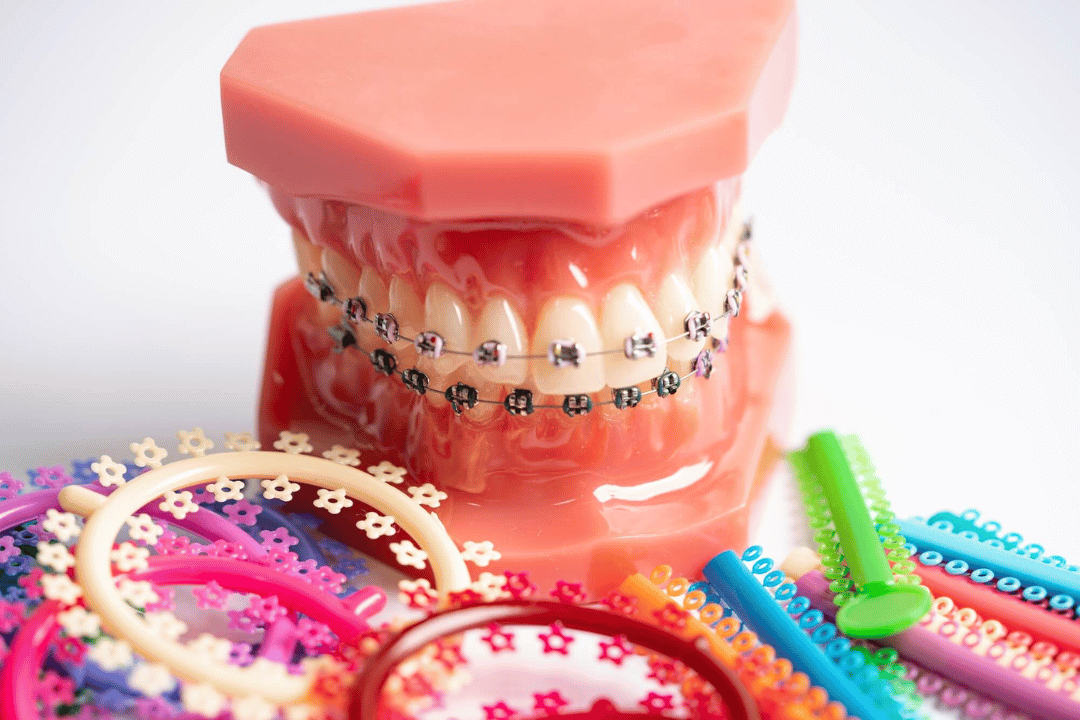
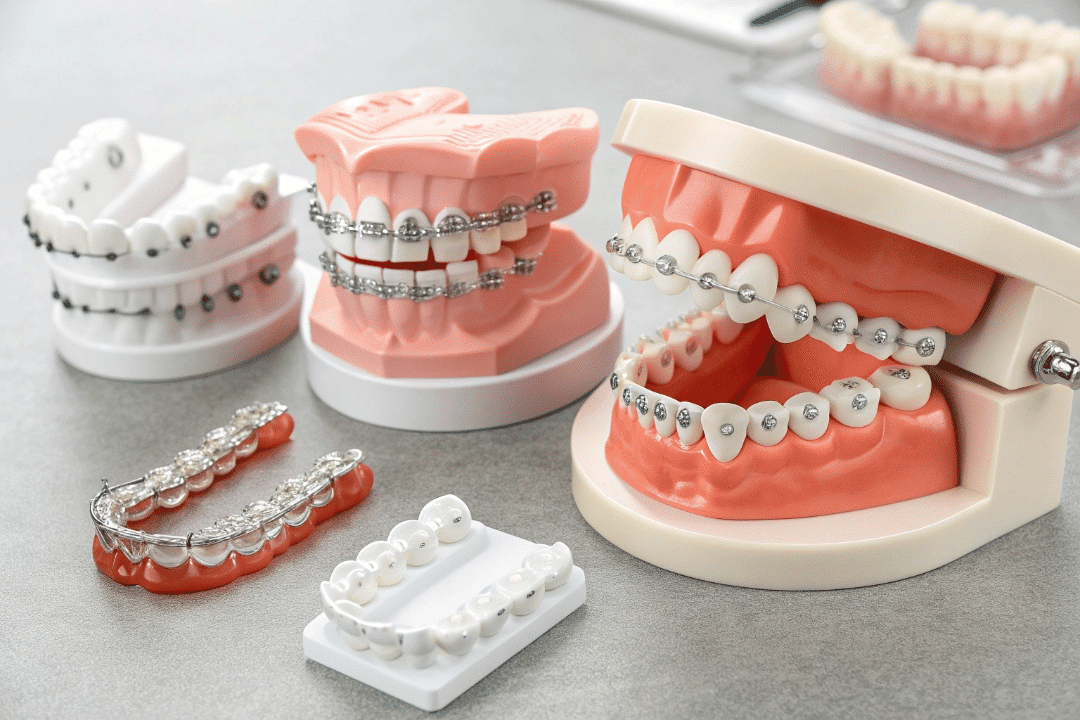
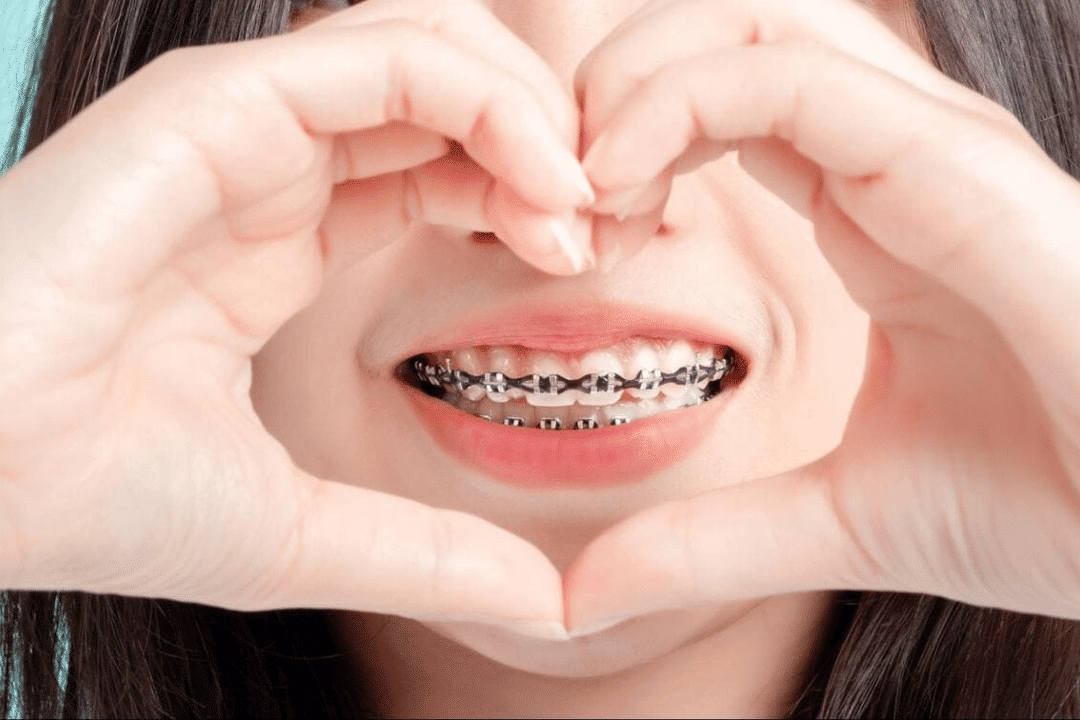
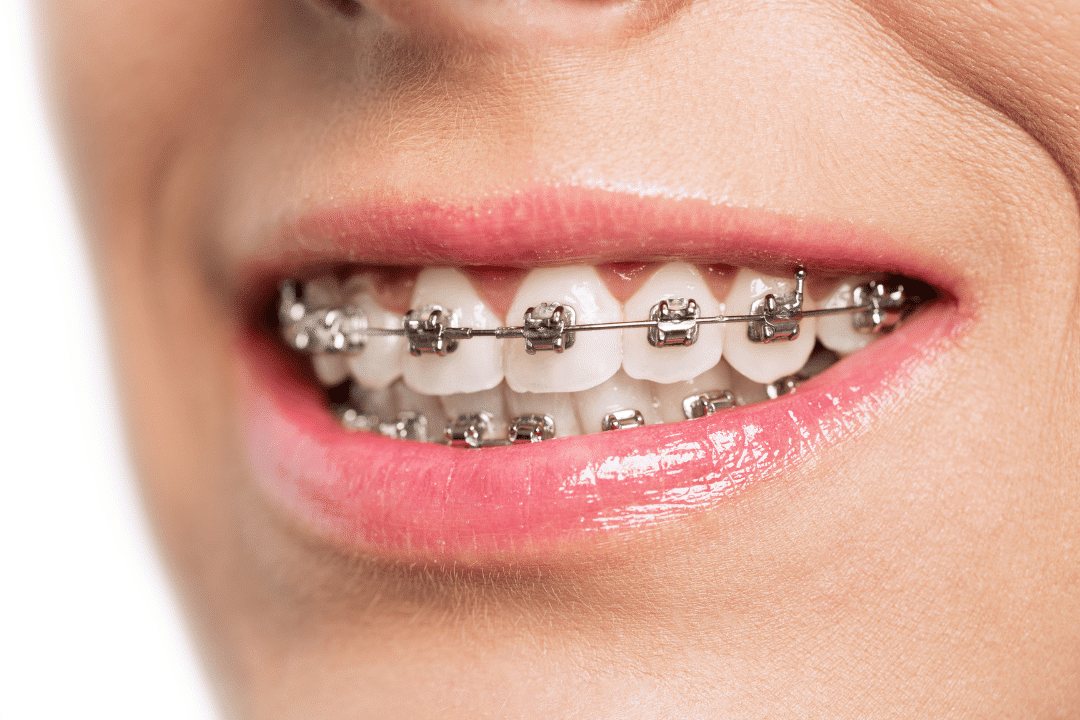
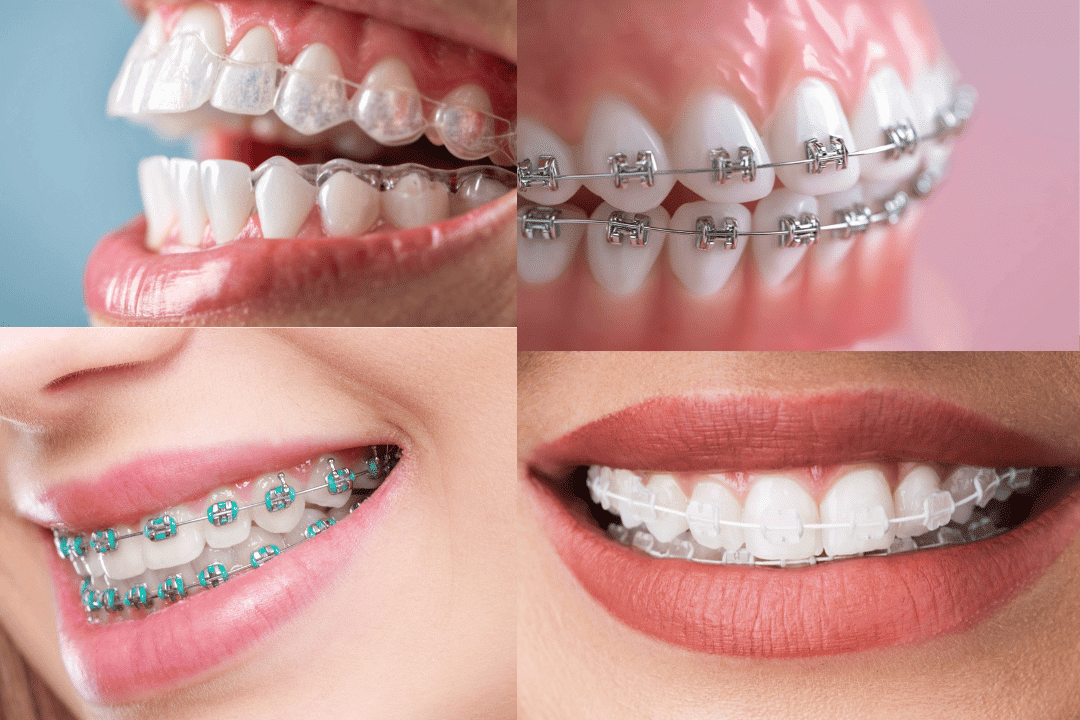
Choosing the right type of braces is crucial for effective orthodontic treatment. Each type of braces, including traditional metal braces, ceramic braces, and lingual braces, has unique features and benefits that cater to different patient needs. Understanding these options can help patients make informed decisions about their treatment plans.
For instance, traditional metal braces are known for their durability and effectiveness in correcting complex dental issues, while ceramic braces offer a more discreet appearance. Lingual braces are placed on the back of the teeth, making them virtually invisible. Discussing these options with an orthodontist can ensure that patients select the best braces for their specific circumstances.
Maintaining Oral Hygiene with Braces: Essential Tips for Patients
Maintaining oral hygiene is vital for patients with braces, as food particles can easily become trapped, leading to plaque buildup and potential dental issues. Patients should adopt a thorough oral care routine that includes brushing after every meal and using special cleaning tools like interdental brushes and floss threaders designed for braces.
Additionally, regular visits to the orthodontist for adjustments and cleanings are essential. Patients should also consider avoiding certain foods that can damage braces, such as hard candies and sticky snacks. By following these guidelines, patients can maintain healthy teeth and gums throughout their orthodontic journey.
Common Myths About Orthodontic Treatment: Debunking Misconceptions
There are many misconceptions surrounding orthodontic treatment that can deter individuals from seeking necessary care. Common myths include the belief that braces are only for children or that they are purely cosmetic. In reality, orthodontic treatment can benefit individuals of all ages and is often essential for correcting alignment issues that affect oral health.
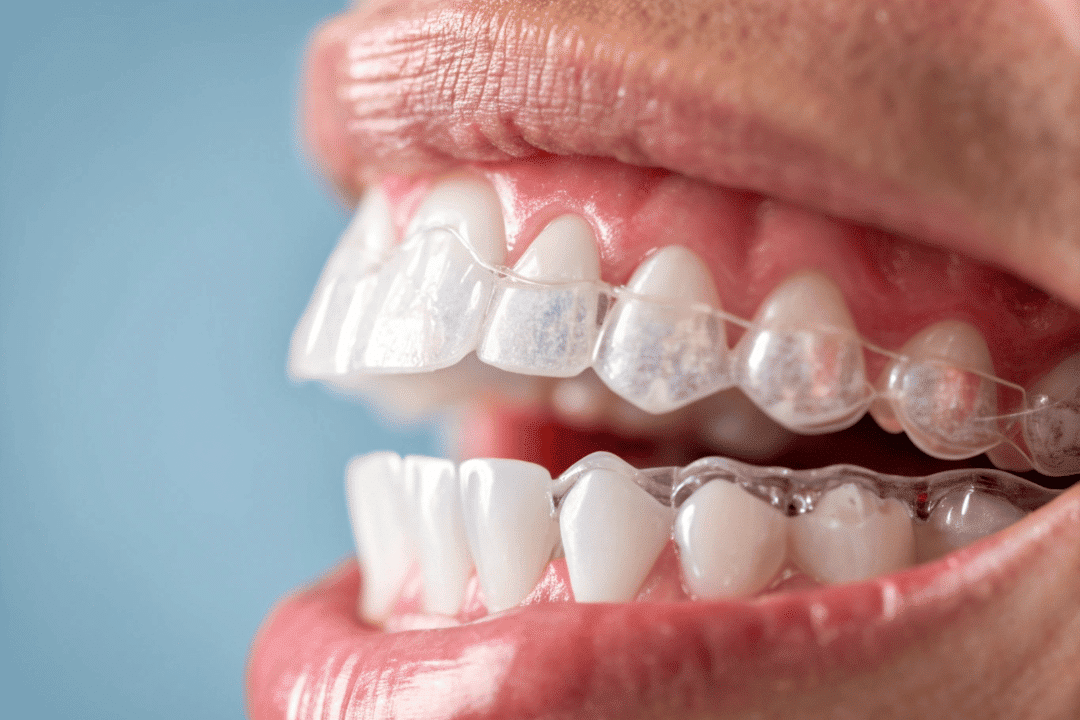
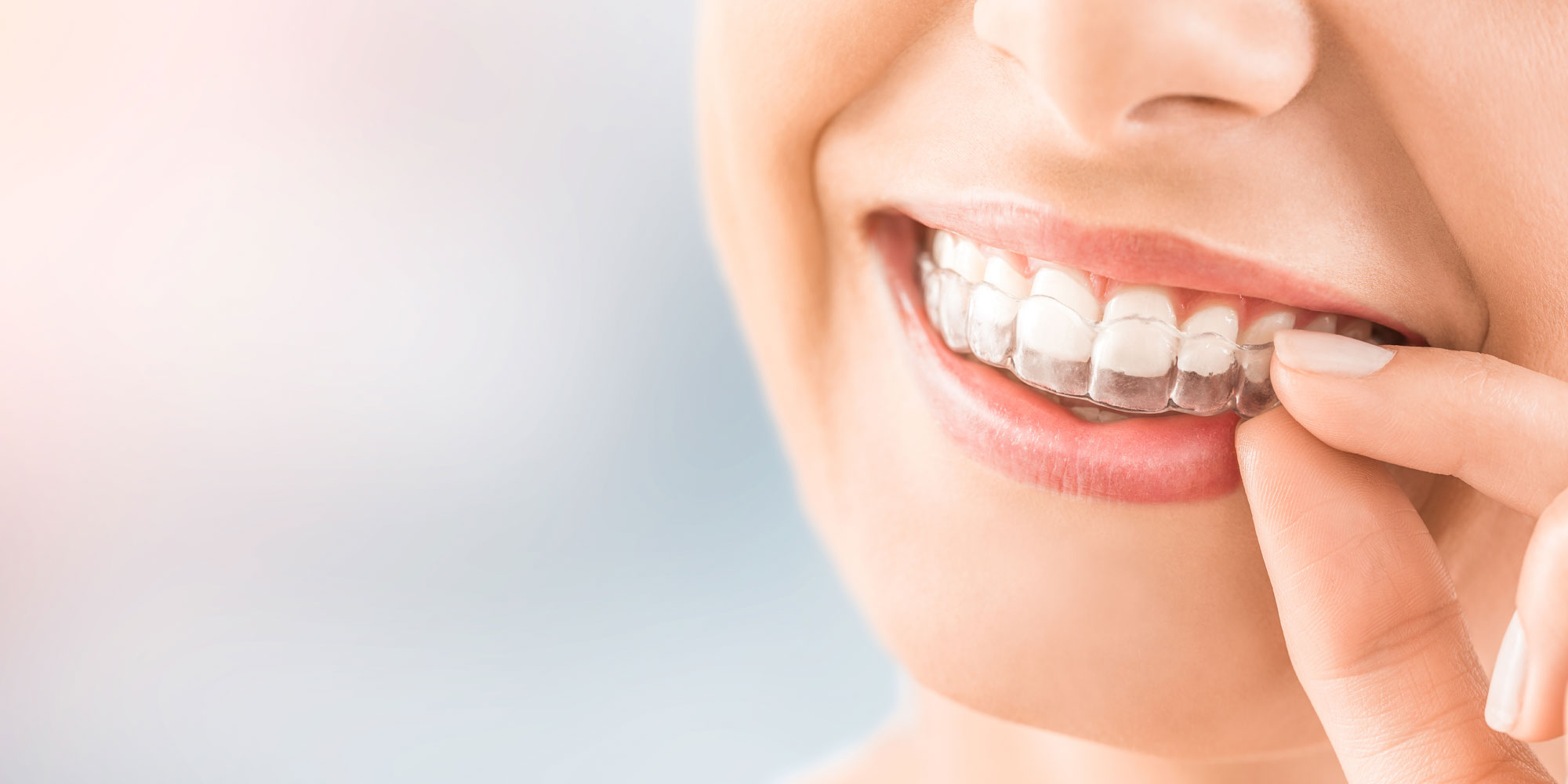
By debunking these myths, potential patients can better understand the importance of orthodontics. For example, many adults are now opting for braces or clear aligners to enhance their smiles and improve their bite, demonstrating that it’s never too late to pursue orthodontic care.
The Role of Nutrition in Orthodontic Care: Foods to Embrace and Avoid
Nutrition plays a significant role in the success of orthodontic treatment. A balanced diet can support oral health and aid in the healing process during treatment. Patients are encouraged to consume a variety of fruits, vegetables, and proteins while avoiding sugary and acidic foods that can lead to tooth decay and gum disease.
Particularly, soft foods are recommended during the initial adjustment period after getting braces, as they are easier to chew and less likely to cause discomfort. By focusing on nutritious food choices, patients can enhance their overall health and ensure a smoother orthodontic experience.
Understanding the Different Types of Braces: Which One Is Right for You?
Choosing the right type of braces is crucial for effective orthodontic treatment. Each type of braces, including traditional metal braces, ceramic braces, and lingual braces, has unique features and benefits that cater to different patient needs. Understanding these options can help patients make informed decisions about their treatment plans.
For instance, traditional metal braces are known for their durability and effectiveness in correcting complex dental issues, while ceramic braces offer a more discreet appearance. Lingual braces are placed on the back of the teeth, making them virtually invisible. Discussing these options with an orthodontist can ensure that patients select the best braces for their specific circumstances.
Maintaining Oral Hygiene with Braces: Essential Tips for Patients
Maintaining oral hygiene is vital for patients with braces, as food particles can easily become trapped, leading to plaque buildup and potential dental issues. Patients should adopt a thorough oral care routine that includes brushing after every meal and using special cleaning tools like interdental brushes and floss threaders designed for braces.
Additionally, regular visits to the orthodontist for adjustments and cleanings are essential. Patients should also consider avoiding certain foods that can damage braces, such as hard candies and sticky snacks. By following these guidelines, patients can maintain healthy teeth and gums throughout their orthodontic journey.
Common Myths About Orthodontic Treatment: Debunking Misconceptions
There are many misconceptions surrounding orthodontic treatment that can deter individuals from seeking necessary care. Common myths include the belief that braces are only for children or that they are purely cosmetic. In reality, orthodontic treatment can benefit individuals of all ages and is often essential for correcting alignment issues that affect oral health.
By debunking these myths, potential patients can better understand the importance of orthodontics. For example, many adults are now opting for braces or clear aligners to enhance their smiles and improve their bite, demonstrating that it’s never too late to pursue orthodontic care.
The Role of Nutrition in Orthodontic Care: Foods to Embrace and Avoid
Nutrition plays a significant role in the success of orthodontic treatment. A balanced diet can support oral health and aid in the healing process during treatment. Patients are encouraged to consume a variety of fruits, vegetables, and proteins while avoiding sugary and acidic foods that can lead to tooth decay and gum disease.
Particularly, soft foods are recommended during the initial adjustment period after getting braces, as they are easier to chew and less likely to cause discomfort. By focusing on nutritious food choices, patients can enhance their overall health and ensure a smoother orthodontic experience.