Understanding the Different Types of Braces: Which One is Right for You?
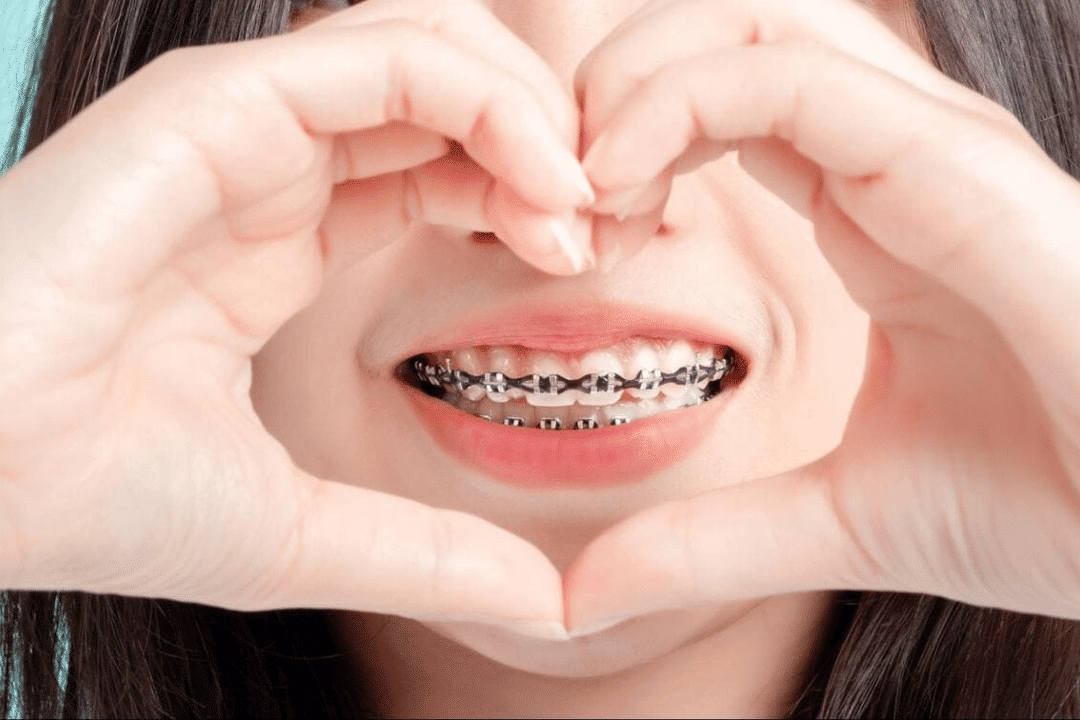
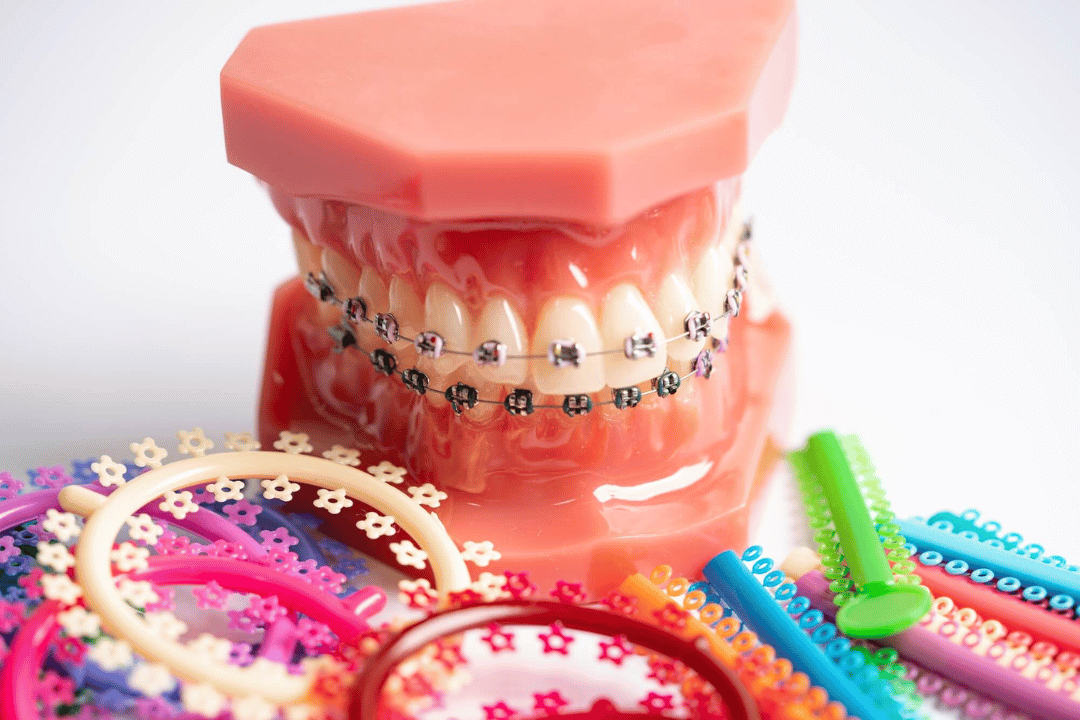
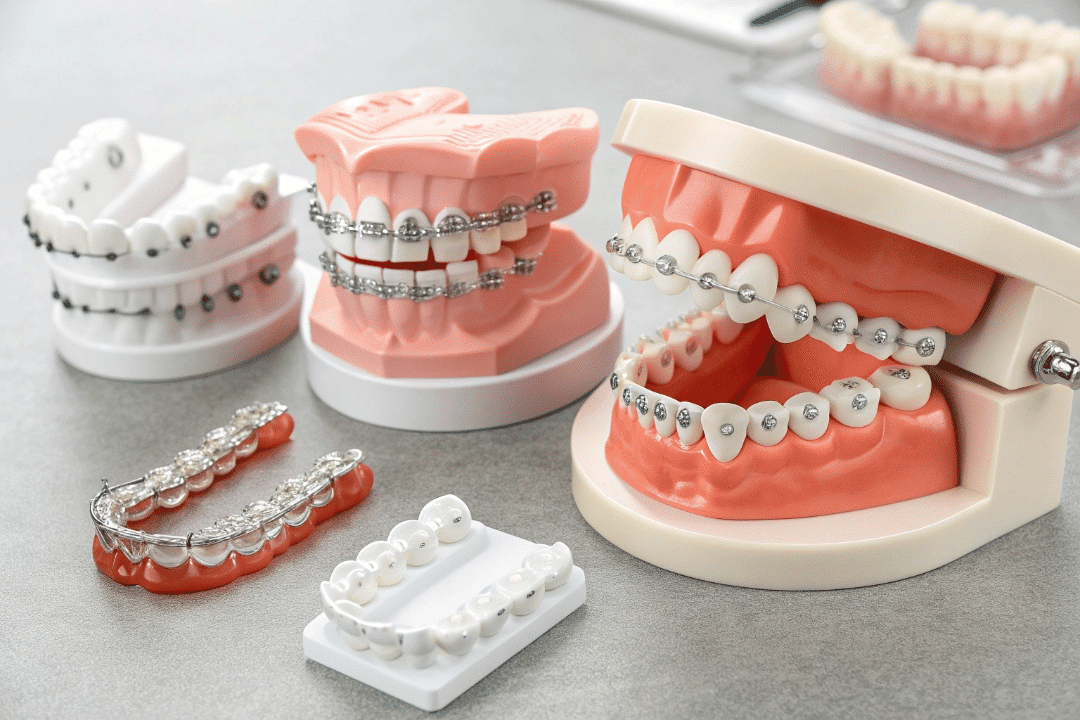
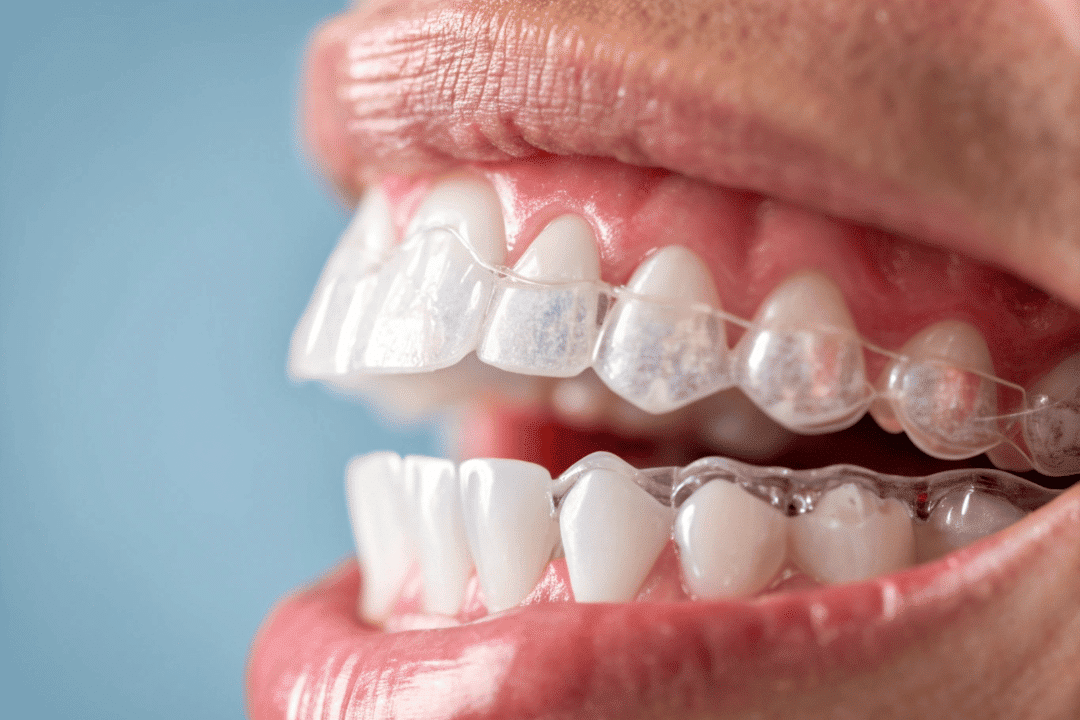
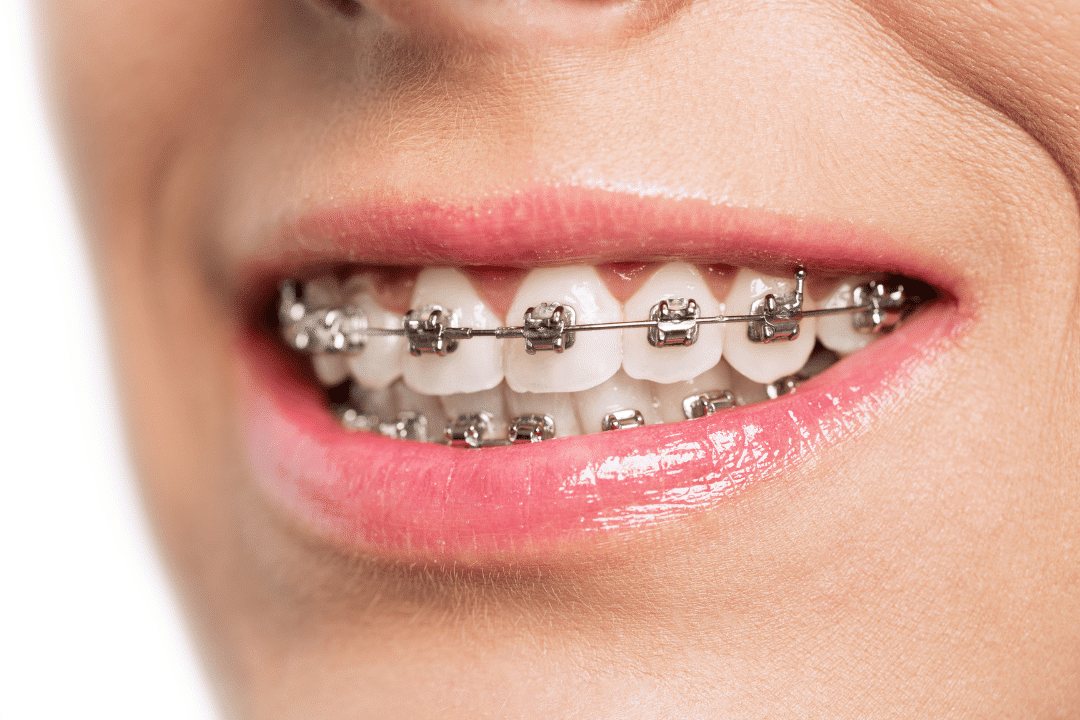
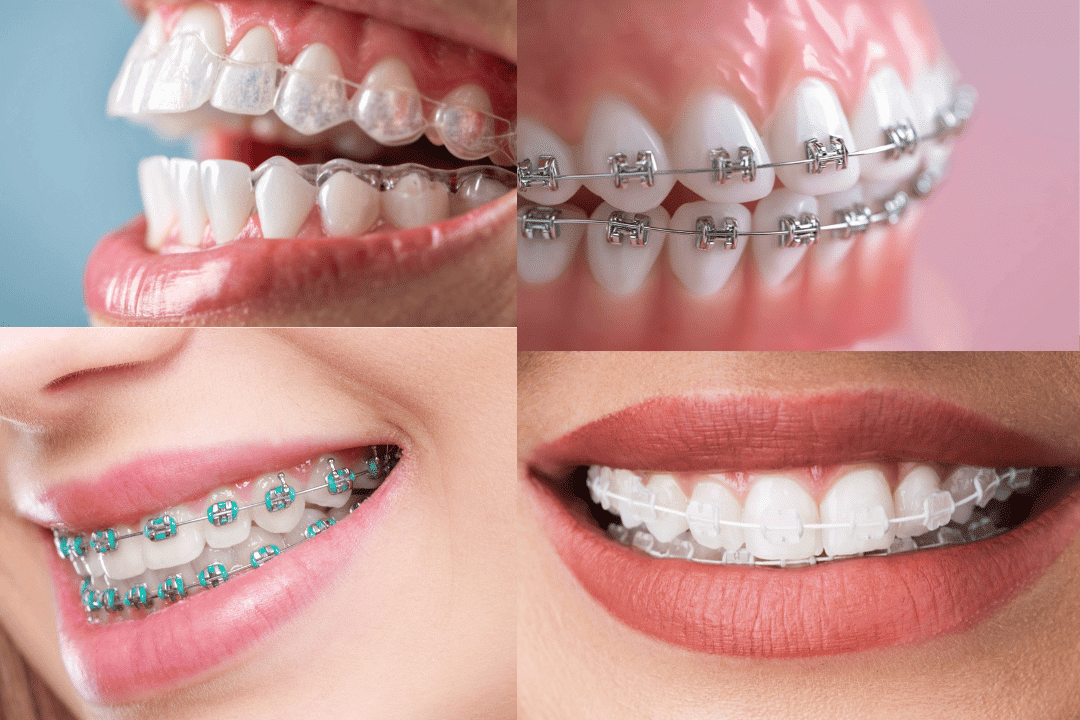
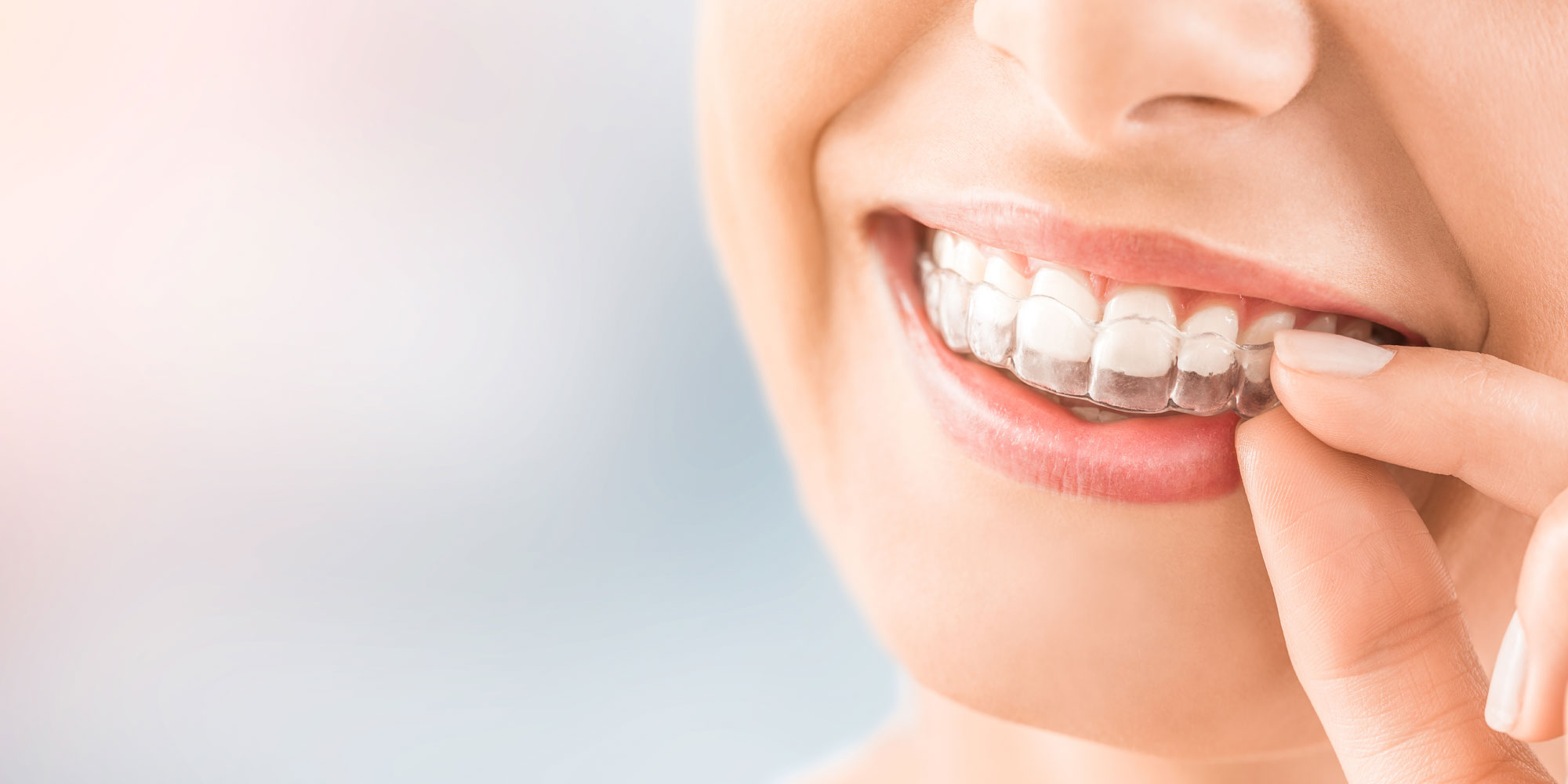
Choosing the right type of braces is crucial for effective orthodontic treatment. Traditional metal braces, ceramic braces, lingual braces, and clear aligners each offer unique benefits and considerations. Patients should evaluate their specific dental needs, lifestyle, and aesthetic preferences when selecting the best option.
For instance, metal braces are known for their durability and effectiveness, making them suitable for complex cases. On the other hand, clear aligners provide a discreet alternative for those concerned about aesthetics. Understanding these differences helps patients make informed decisions that align with their treatment goals.
The Role of Nutrition in Orthodontic Treatment: Foods to Enjoy and Avoid
Nutrition plays a significant role in the success of orthodontic treatment. Certain foods can promote oral health and support the movement of teeth, while others can hinder progress or cause discomfort. Patients should be aware of which foods are beneficial and which to avoid during their treatment.
For example, soft foods like yogurt, smoothies, and mashed potatoes are ideal during the initial adjustment period after getting braces. Conversely, hard or sticky foods can damage brackets and wires, leading to delays in treatment. A well-balanced diet not only aids in recovery but also enhances overall dental health.
Common Myths About Braces: Debunking Misconceptions
There are numerous myths surrounding braces that can lead to misunderstandings about orthodontic treatment. Many people believe that braces are only for children or that they will cause significant pain throughout the treatment process. Addressing these misconceptions is essential for setting realistic expectations.
In reality, braces can be effective for patients of all ages, and while some discomfort may occur during adjustments, it is typically manageable. Educating patients about the truth behind these myths can alleviate anxiety and encourage them to pursue necessary orthodontic care.
Maintaining Oral Hygiene with Braces: Essential Tips for Patients
Maintaining proper oral hygiene is critical for patients with braces. The presence of brackets and wires can make brushing and flossing more challenging, but effective techniques are essential to prevent cavities and gum disease during treatment. Patients should adopt a diligent oral care routine to keep their smiles healthy.
Using a soft-bristled toothbrush and fluoride toothpaste, along with special flossing tools designed for braces, can help patients clean their teeth effectively. Additionally, regular visits to the orthodontist for adjustments and cleanings are vital in ensuring optimal oral health throughout the treatment journey.
Understanding the Different Types of Braces: Which One is Right for You?
Choosing the right type of braces is crucial for effective orthodontic treatment. Traditional metal braces, ceramic braces, lingual braces, and clear aligners each offer unique benefits and considerations. Patients should evaluate their specific dental needs, lifestyle, and aesthetic preferences when selecting the best option.
For instance, metal braces are known for their durability and effectiveness, making them suitable for complex cases. On the other hand, clear aligners provide a discreet alternative for those concerned about aesthetics. Understanding these differences helps patients make informed decisions that align with their treatment goals.
The Role of Nutrition in Orthodontic Treatment: Foods to Enjoy and Avoid
Nutrition plays a significant role in the success of orthodontic treatment. Certain foods can promote oral health and support the movement of teeth, while others can hinder progress or cause discomfort. Patients should be aware of which foods are beneficial and which to avoid during their treatment.
For example, soft foods like yogurt, smoothies, and mashed potatoes are ideal during the initial adjustment period after getting braces. Conversely, hard or sticky foods can damage brackets and wires, leading to delays in treatment. A well-balanced diet not only aids in recovery but also enhances overall dental health.
Common Myths About Braces: Debunking Misconceptions
There are numerous myths surrounding braces that can lead to misunderstandings about orthodontic treatment. Many people believe that braces are only for children or that they will cause significant pain throughout the treatment process. Addressing these misconceptions is essential for setting realistic expectations.
In reality, braces can be effective for patients of all ages, and while some discomfort may occur during adjustments, it is typically manageable. Educating patients about the truth behind these myths can alleviate anxiety and encourage them to pursue necessary orthodontic care.
Maintaining Oral Hygiene with Braces: Essential Tips for Patients
Maintaining proper oral hygiene is critical for patients with braces. The presence of brackets and wires can make brushing and flossing more challenging, but effective techniques are essential to prevent cavities and gum disease during treatment. Patients should adopt a diligent oral care routine to keep their smiles healthy.
Using a soft-bristled toothbrush and fluoride toothpaste, along with special flossing tools designed for braces, can help patients clean their teeth effectively. Additionally, regular visits to the orthodontist for adjustments and cleanings are vital in ensuring optimal oral health throughout the treatment journey.