Understanding the Different Types of Braces: Which One is Right for You?
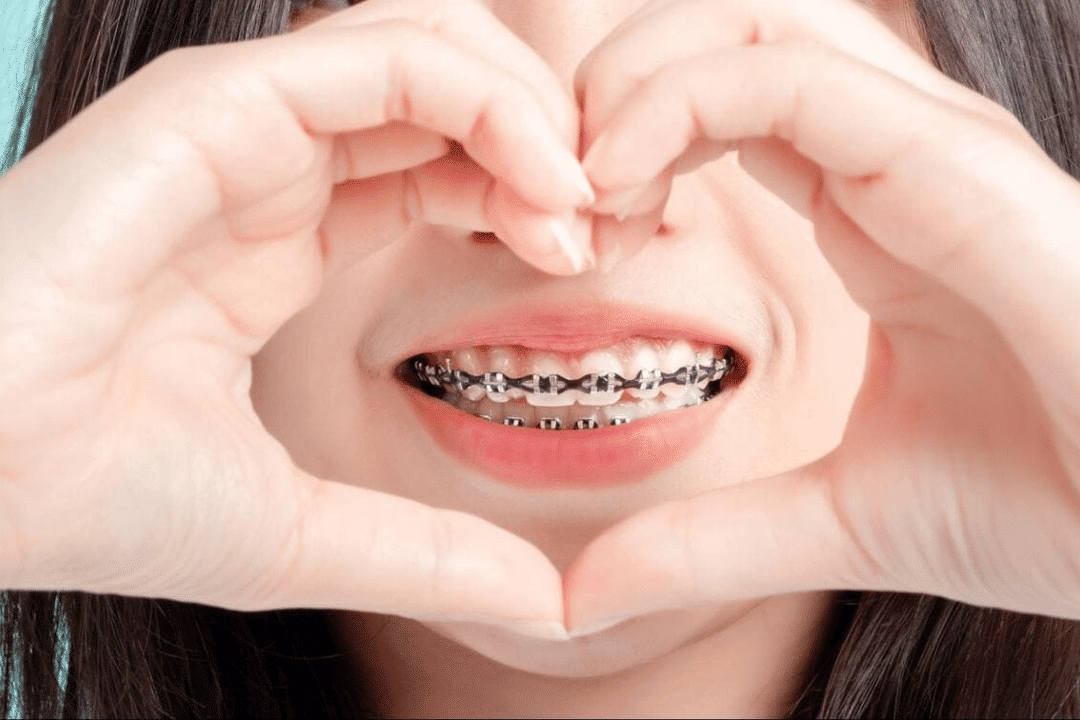
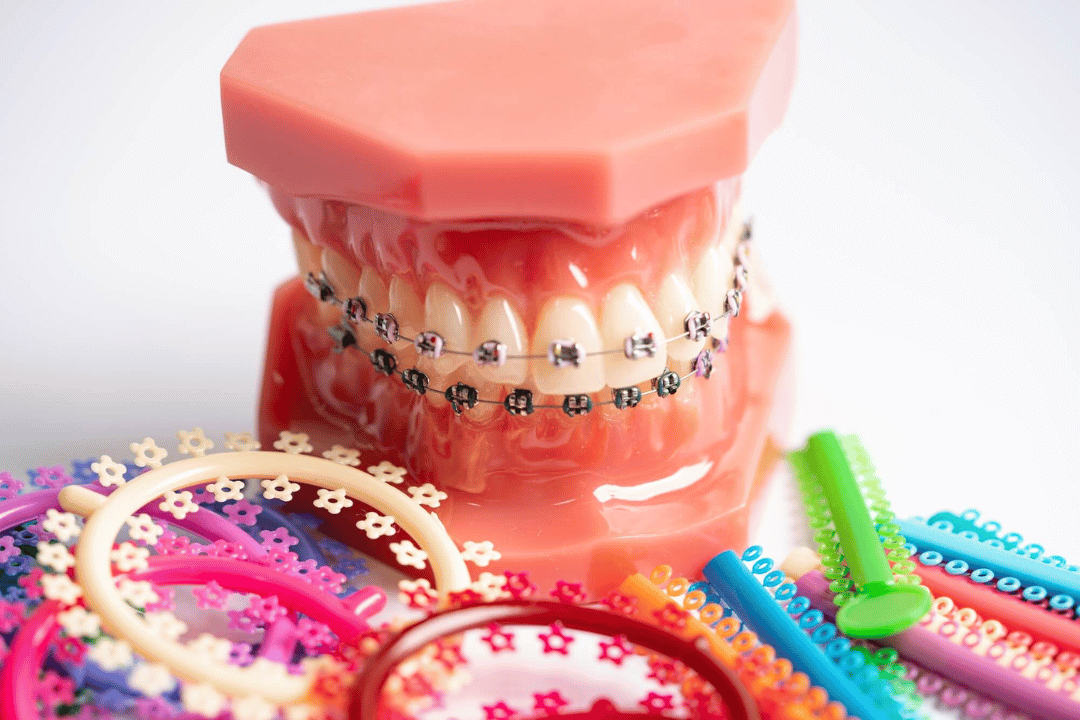
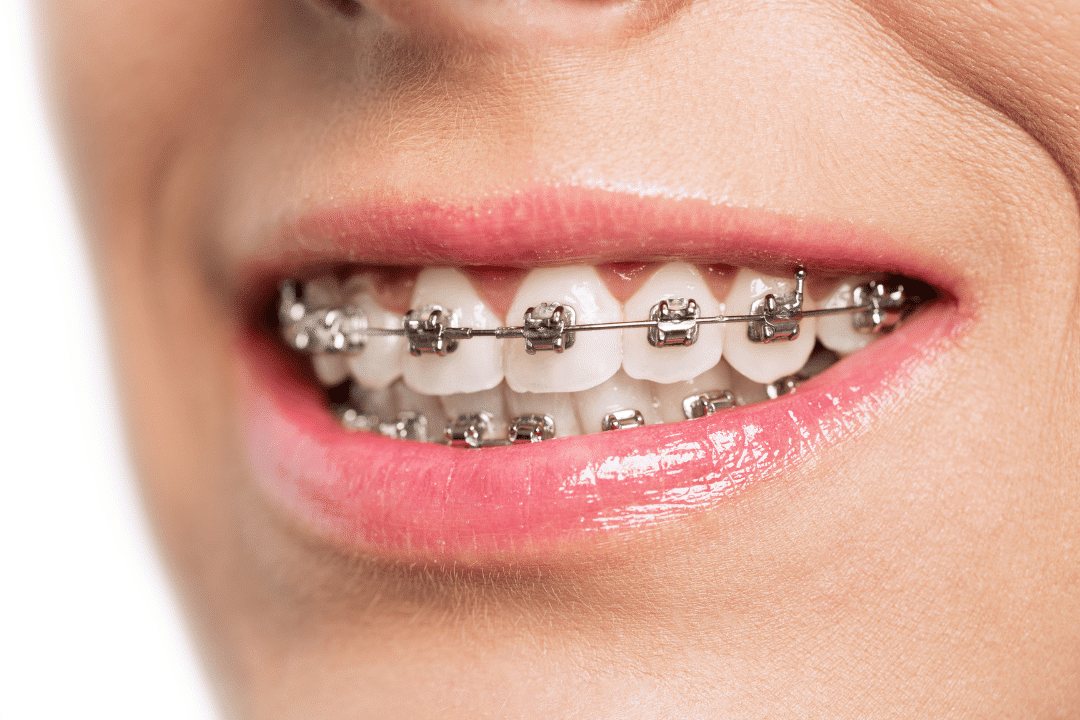
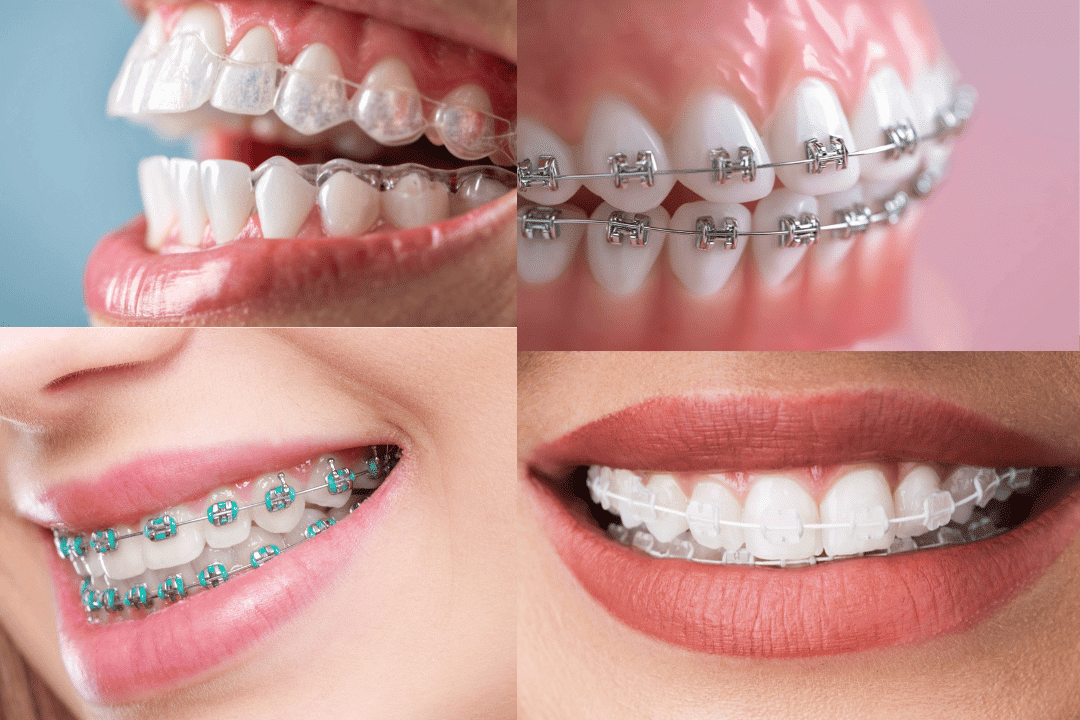
Choosing the right type of braces can significantly affect your orthodontic experience and outcomes. Traditional metal braces, ceramic braces, and lingual braces each have unique characteristics that cater to different patient needs. Understanding these options can help you make an informed decision that aligns with your lifestyle and treatment goals.
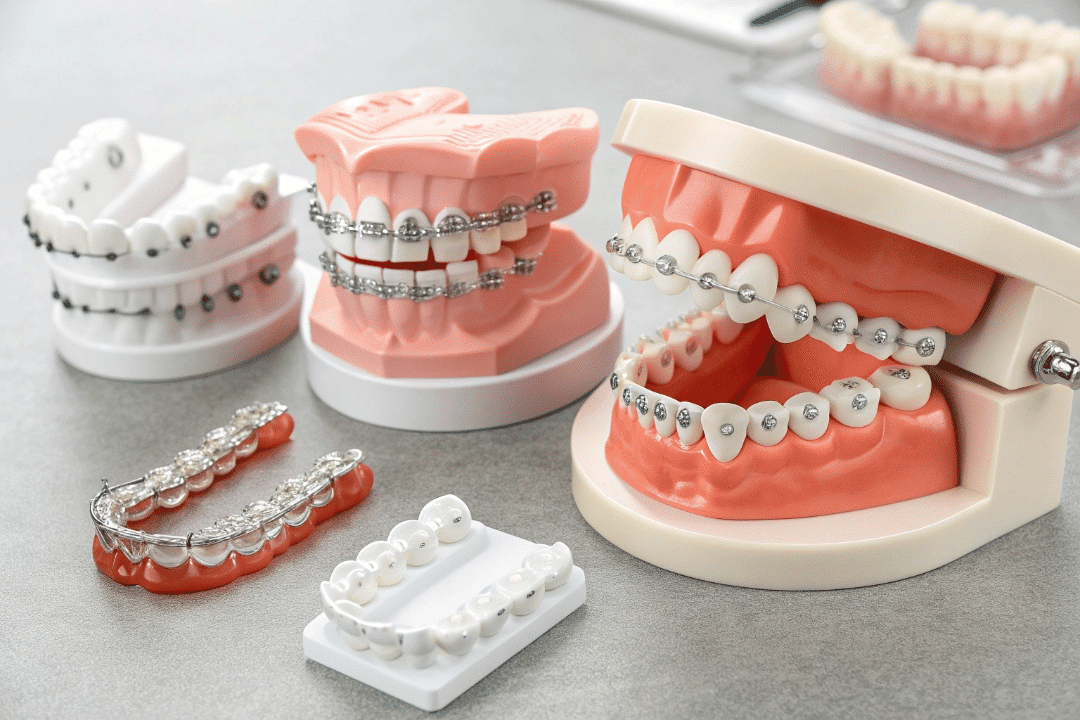
For instance, traditional metal braces are highly effective for complex cases but may be less aesthetically pleasing. Ceramic braces offer a more discreet option, blending with the natural color of teeth, while lingual braces are placed behind the teeth for maximum invisibility. Consulting with your orthodontist can provide personalized recommendations based on your specific situation.
The Role of Retainers After Braces: Maintaining Your Perfect Smile
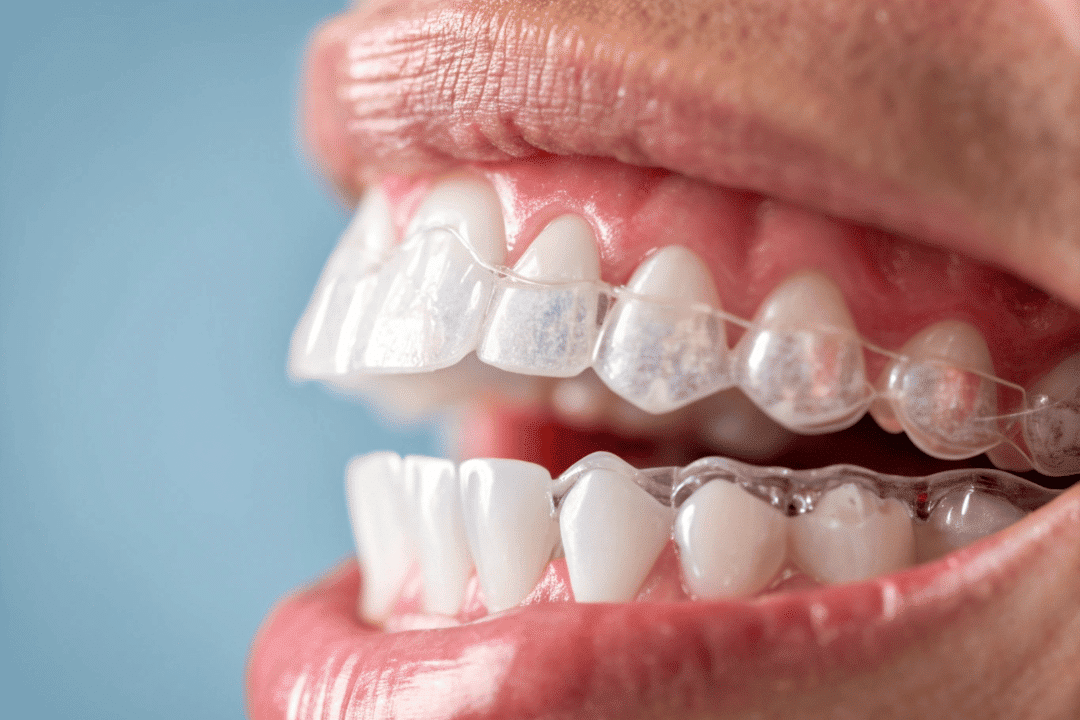
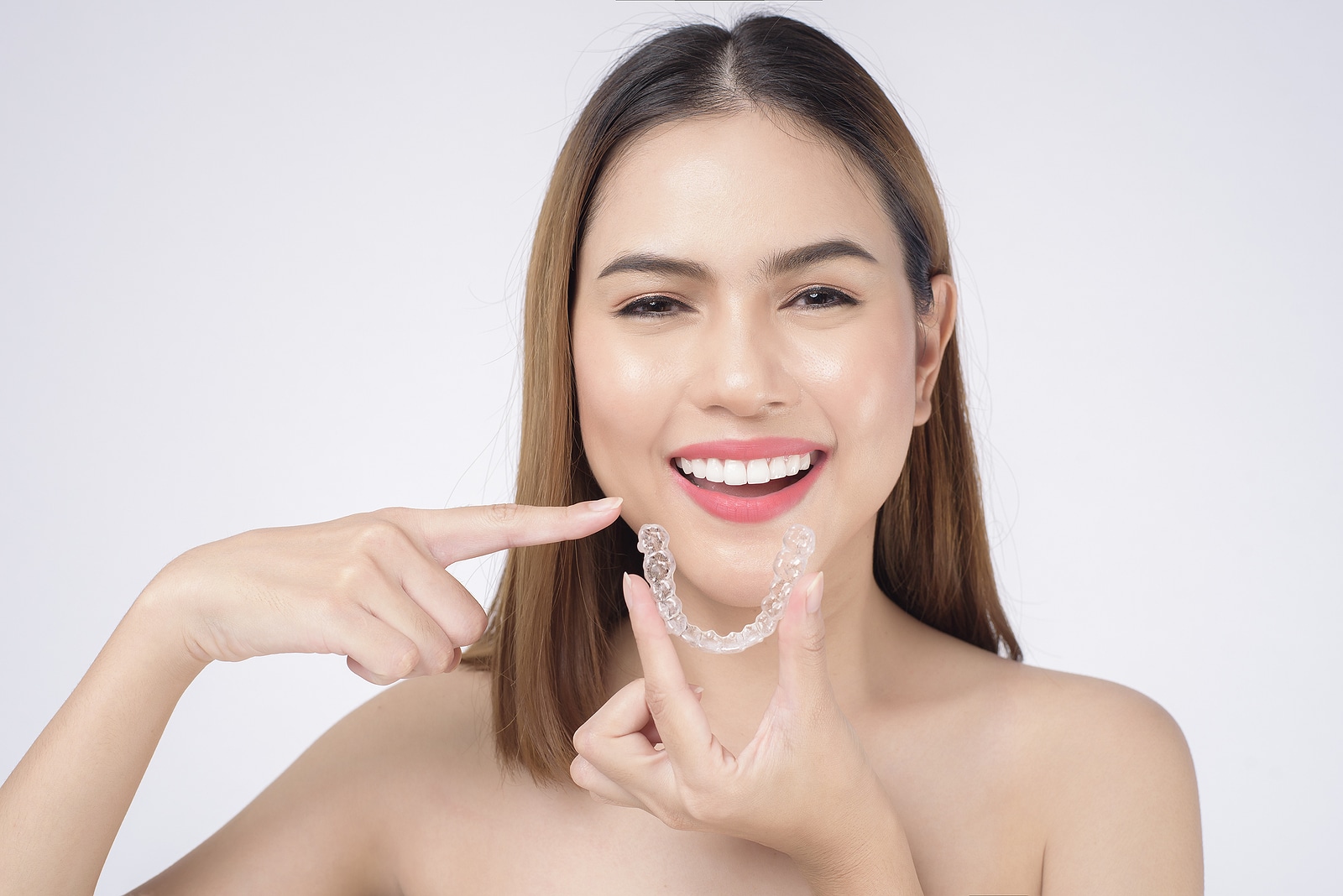
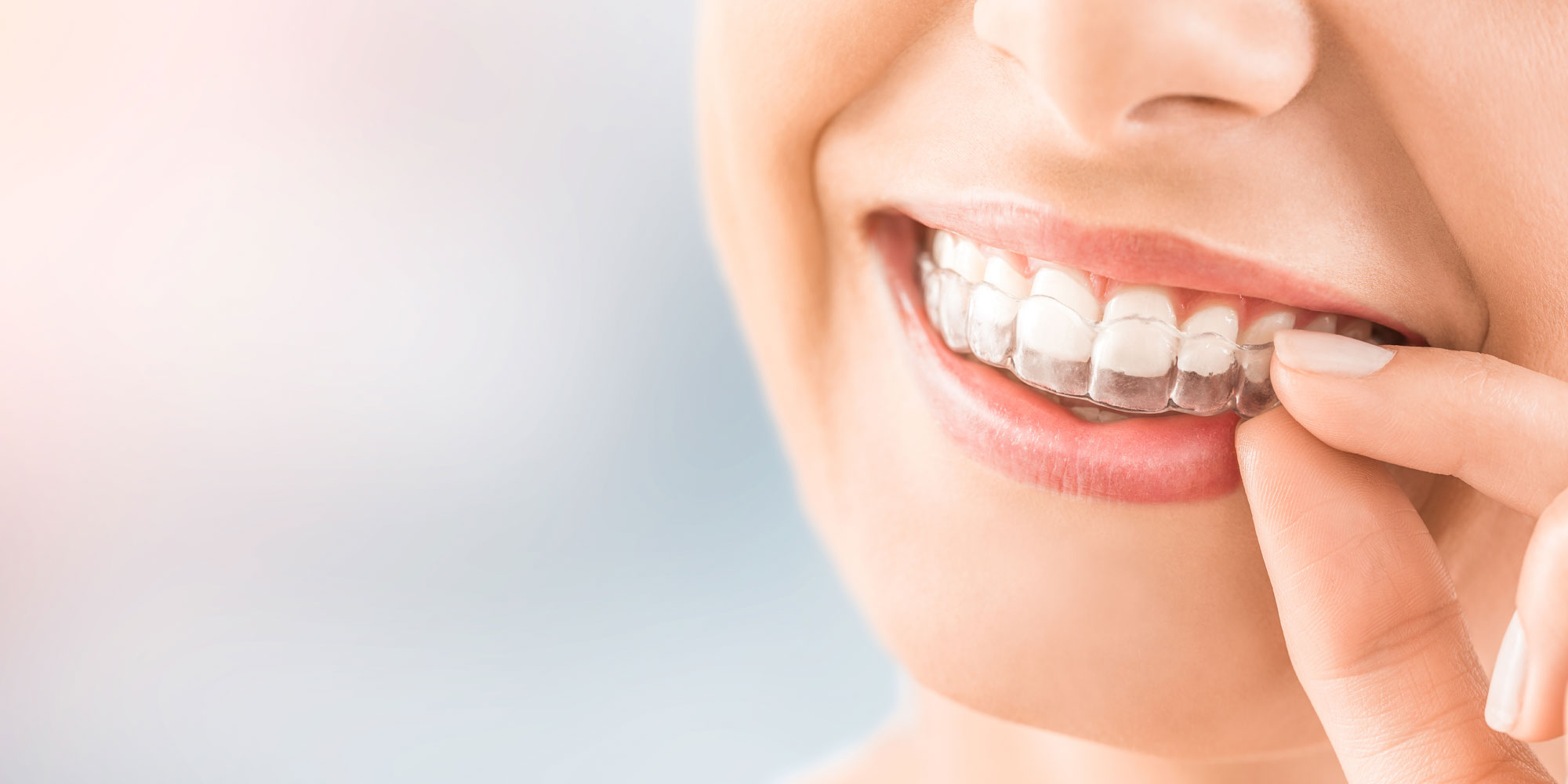
Retainers play a crucial role in preserving the results achieved through orthodontic treatment. After braces are removed, teeth can shift back to their original positions if not properly maintained. Wearing a retainer as prescribed by your orthodontist helps ensure that your new smile remains intact for years to come.
There are various types of retainers, including fixed and removable options. Fixed retainers are bonded to the back of your teeth, providing continuous support, while removable retainers can be taken out for cleaning. Understanding the importance of retainers and following your orthodontist's guidelines will help you enjoy the benefits of your orthodontic treatment long-term.
Common Myths About Braces: Debunking Misconceptions
Many people have preconceived notions about braces that can lead to unnecessary anxiety or misinformation. Common myths include the belief that braces are only for teenagers or that they are excessively painful. By debunking these misconceptions, potential patients can approach their orthodontic journey with confidence and clarity.
For example, braces can be effective at any age, and many adults are now seeking orthodontic treatment. Additionally, while there may be some discomfort after adjustments, modern techniques and materials have made braces more comfortable than ever. Educating yourself about the realities of braces can help alleviate fears and promote a more positive experience.
Tips for Choosing the Right Orthodontist: What to Look For
Selecting the right orthodontist is a critical step in your orthodontic journey. Factors to consider include the orthodontist's qualifications, experience, and the range of treatments offered. A good orthodontist will take the time to explain your options and tailor a treatment plan that fits your needs.
Additionally, consider the office environment and staff friendliness, as these can significantly impact your overall experience. Reading reviews and testimonials from previous patients can also provide valuable insights into the quality of care you can expect. Taking the time to choose the right orthodontist ensures you receive the best possible treatment and results.
Understanding the Different Types of Braces: Which One is Right for You?
Choosing the right type of braces can significantly affect your orthodontic experience and outcomes. Traditional metal braces, ceramic braces, and lingual braces each have unique characteristics that cater to different patient needs. Understanding these options can help you make an informed decision that aligns with your lifestyle and treatment goals.
For instance, traditional metal braces are highly effective for complex cases but may be less aesthetically pleasing. Ceramic braces offer a more discreet option, blending with the natural color of teeth, while lingual braces are placed behind the teeth for maximum invisibility. Consulting with your orthodontist can provide personalized recommendations based on your specific situation.
The Role of Retainers After Braces: Maintaining Your Perfect Smile
Retainers play a crucial role in preserving the results achieved through orthodontic treatment. After braces are removed, teeth can shift back to their original positions if not properly maintained. Wearing a retainer as prescribed by your orthodontist helps ensure that your new smile remains intact for years to come.
There are various types of retainers, including fixed and removable options. Fixed retainers are bonded to the back of your teeth, providing continuous support, while removable retainers can be taken out for cleaning. Understanding the importance of retainers and following your orthodontist's guidelines will help you enjoy the benefits of your orthodontic treatment long-term.
Common Myths About Braces: Debunking Misconceptions
Many people have preconceived notions about braces that can lead to unnecessary anxiety or misinformation. Common myths include the belief that braces are only for teenagers or that they are excessively painful. By debunking these misconceptions, potential patients can approach their orthodontic journey with confidence and clarity.
For example, braces can be effective at any age, and many adults are now seeking orthodontic treatment. Additionally, while there may be some discomfort after adjustments, modern techniques and materials have made braces more comfortable than ever. Educating yourself about the realities of braces can help alleviate fears and promote a more positive experience.
Tips for Choosing the Right Orthodontist: What to Look For
Selecting the right orthodontist is a critical step in your orthodontic journey. Factors to consider include the orthodontist's qualifications, experience, and the range of treatments offered. A good orthodontist will take the time to explain your options and tailor a treatment plan that fits your needs.
Additionally, consider the office environment and staff friendliness, as these can significantly impact your overall experience. Reading reviews and testimonials from previous patients can also provide valuable insights into the quality of care you can expect. Taking the time to choose the right orthodontist ensures you receive the best possible treatment and results.