
Many patients begin orthodontic treatment without fully understanding what’s actually happening inside their mouth. While brackets and wires are easy to see, the real work occurs beneath the surface. Orthodontic braces rely on controlled, gradual pressure to guide teeth into healthier positions over time. This method allows teeth to move safely while protecting the surrounding bone and tissues that support long-term oral health.
Understanding how braces work during the teeth straightening process helps patients feel more confident about why treatment takes time and why regular adjustments are necessary. Teeth are not forced into place or pushed aggressively. Instead, this approach works with the body’s natural response to pressure, allowing alignment to improve in a steady, predictable way.
This article explains how teeth move during orthodontic treatment, what controlled force actually does inside the mouth, and why professional orthodontic care plays such an important role in achieving reliable, long-term results.
Understanding How Braces Apply Pressure Over Time
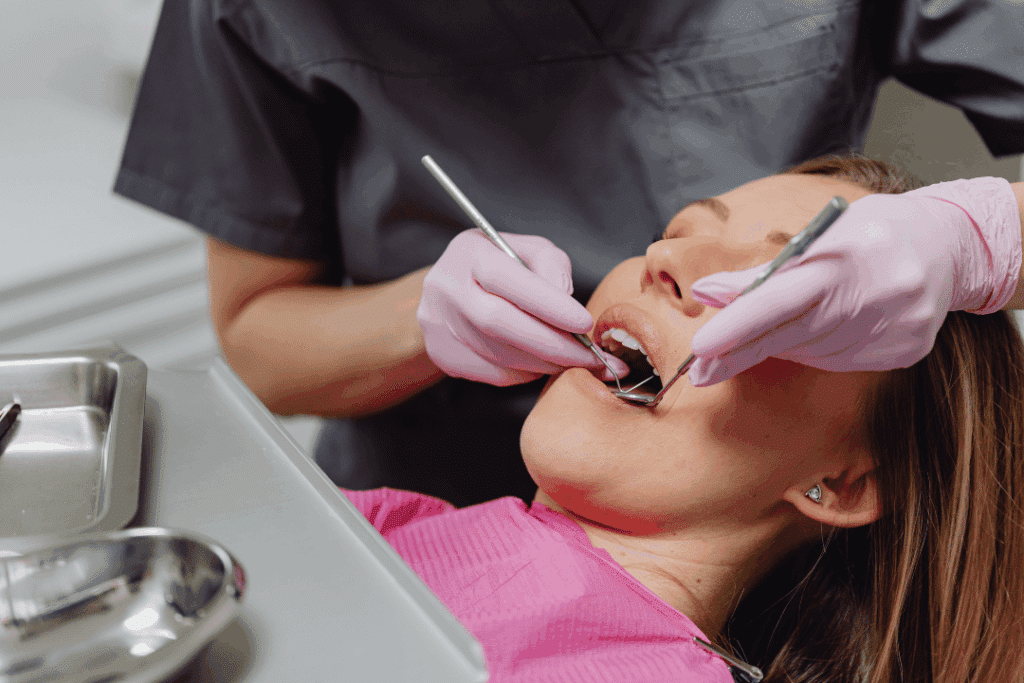
Braces are designed to apply light, consistent pressure rather than sudden or excessive force. This pressure is carefully planned based on the position of each tooth, how the teeth fit together, and the overall alignment goals established at the beginning of care.
When the system is placed, the archwire connected to the brackets creates tension across the teeth. That tension produces pressure that encourages teeth to shift in a specific direction. During the early stages of the teeth straightening process, this pressure helps initiate movement without overwhelming the structures that keep teeth stable.
This gradual approach is central to how braces work. Teeth respond best when pressure is applied steadily over time, allowing surrounding tissues to adapt naturally. Small, controlled changes are more effective than strong force because they support consistent progress.
As teeth begin to move, orthodontists adjust the system to maintain proper pressure. These refinements help ensure that alignment continues smoothly rather than slowing or becoming uneven.
Because every mouth responds differently, pressure levels are customized throughout treatment. This personalization improves comfort while keeping progress on track.
How Teeth Move Through Natural Bone Remodeling
Tooth movement depends on a natural biological response within the jawbone. Each tooth is supported by a thin layer of tissue called the periodontal ligament, which acts as a cushion between the tooth and the surrounding bone.
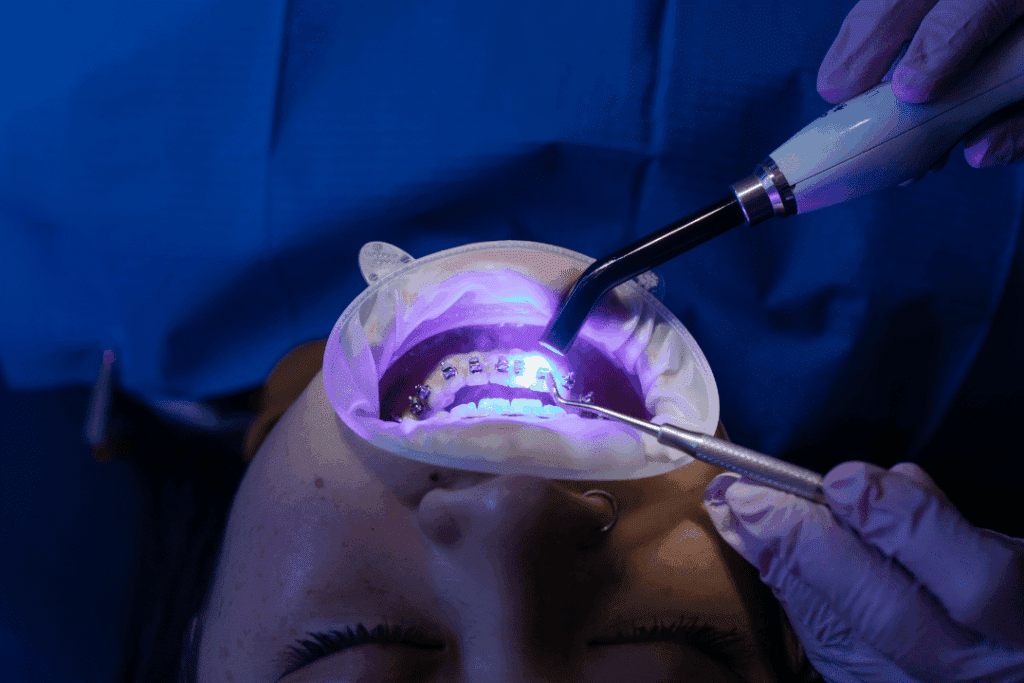
When pressure is applied:
- The ligament compresses slightly on one side of the tooth
- Bone in that area begins to break down to create space
- New bone forms behind the tooth as it shifts forward
This process, known as bone remodeling, allows teeth to move safely during the teeth straightening process. Instead of loosening teeth, remodeling ensures they remain supported and stable as alignment improves.
Understanding how braces work from a biological standpoint explains why orthodontic treatment takes time. Bone does not change overnight. Controlled pressure allows the body to adapt gradually, reducing stress on teeth and supporting structures.
This natural response is what makes orthodontic care effective when guided correctly and problematic when rushed or unsupervised.
Why Controlled Force Is Essential for Safe Alignment
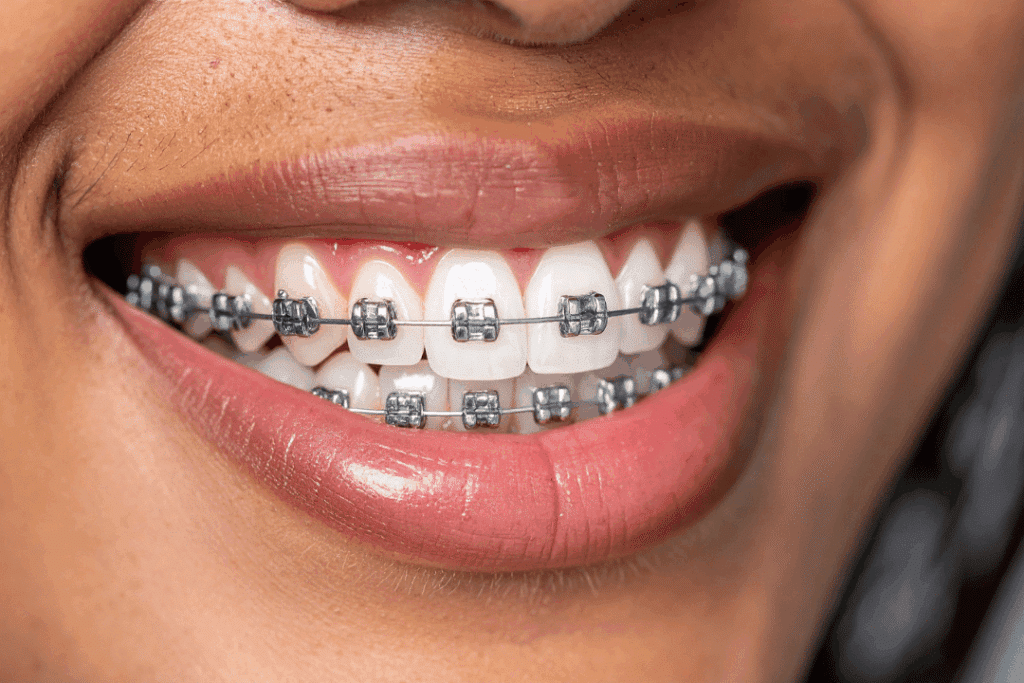
Controlled force is what makes orthodontic treatment both effective and safe. Applying too much pressure can slow movement, increase discomfort, or place unnecessary stress on tooth roots. Applying too little pressure may cause progress to stall, extending the treatment timeline.
Throughout the teeth straightening process, orthodontists monitor how teeth respond and adjust force levels accordingly. These adjustments ensure movement remains steady rather than unpredictable.
Precision also plays a major role in comfort. When pressure is managed correctly, patients are less likely to experience prolonged soreness or setbacks that interfere with daily life. This balance is one of the reasons orthodontic braces remain a trusted solution for correcting alignment concerns.
Controlled force also helps ensure results remain stable after treatment, reducing the risk of teeth shifting back over time.
The Role of Adjustments in Ongoing Treatment
Adjustments are a critical part of orthodontic care and directly support continued progress. As teeth move, the amount and direction of pressure must change to guide them into proper alignment.
During scheduled visits, orthodontists may:
- Adjust brackets to refine positioning
- Add or remove elastics to improve bite balance
These changes support the next phase of the teeth straightening process. Without regular adjustments, pressure levels may decrease, and teeth may stop responding as expected.
This is another important aspect of how braces work. Treatment depends on ongoing monitoring and fine-tuning, not just the initial placement. Each visit builds on previous progress and prepares the teeth for the next stage of alignment.
Why Professional Orthodontic Care Matters
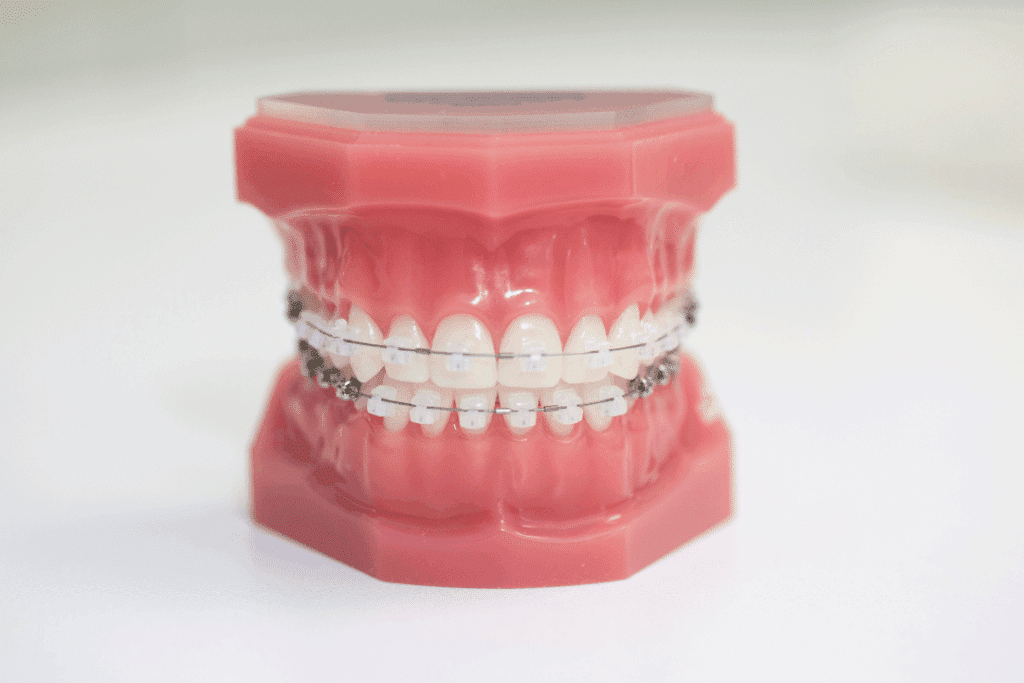
Orthodontic treatment affects more than the appearance of a smile. Tooth movement influences bite alignment, jaw function, speech patterns, and long-term oral health. That’s why orthodontic braces should always be part of a professionally guided treatment plan.
Professional orthodontic care ensures:
- Teeth move in the correct sequence
- Bite alignment remains balanced as teeth shift
- Pressure stays within safe biological limits
Without proper oversight, uncontrolled force can lead to discomfort, longer treatment times, or unpredictable outcomes.
How Smiles by Design Orthodontics Supports Safe Tooth Movement
Smiles by Design Orthodontics takes a personalized approach to orthodontic care, focusing on controlled movement and long-term stability. Each treatment plan is built around careful evaluation, ongoing monitoring, and patient education.
By assessing tooth position, bite alignment, and individual response, the team ensures orthodontic braces are working efficiently at every stage. Patients are guided through the process with clear explanations and consistent support, helping them understand what to expect as alignment improves.
This attention to detail allows treatment to progress smoothly while prioritizing comfort, safety, and predictable results.
Schedule a Consultation With Smiles by Design Orthodontics
If you’re considering orthodontic braces or want a clearer understanding of how braces work, professional guidance makes all the difference. Dr. Austin Rahaim, an experienced orthodontist with advanced training in modern orthodontic care, provides personalized consultations at Smiles by Design Orthodontics in D’Iberville, MS.
Schedule a consultation with Dr. Austin Rahaim at the D’Iberville clinic to learn how expert, patient-focused orthodontic care can help you achieve a healthier, well-aligned smile.