
Dental braces elastic bands are small rubber bands used with braces to correct bite alignment and improve jaw positioning. They apply gentle, continuous force to help guide teeth into their proper position during orthodontic treatment.
Elastic bands (also called orthodontic elastics) play an important role in fixing bite issues such as overbite, underbite, and crossbite. They work in combination with braces to create controlled tooth movement and improve overall treatment efficiency.
Elastic bands for braces —also called orthodontic elastics—are small but essential tools in many treatment plans. They apply steady, targeted pressure to move teeth and correct bite relationships that braces alone can’t fix. Knowing how they work, the types available, and how to use them correctly helps you get the best results from your orthodontic care. Below, we explain their role in bite correction, common elastic types, how to wear and care for them, and recommended daily wear time.
What is the Purpose of Orthodontic Rubber Bands in Dental Braces?
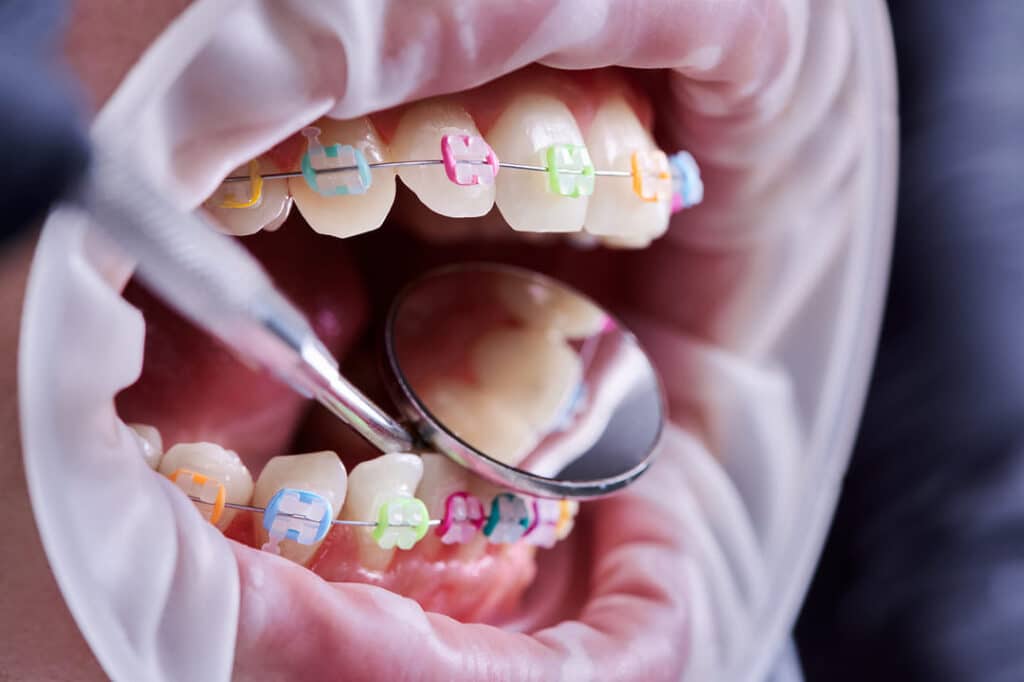
Orthodontic rubber bands, also known as dental braces elastic bands, help guide teeth into better positions and correct bite issues by applying controlled force between the upper and lower jaws. Working together with brackets and wires, they create targeted pressure patterns that move teeth in ways braces alone cannot achieve. In short, they refine your bite, improve how your teeth fit together, and enhance overall function for a more balanced and stable smile.
How Do Elastic Bands Help with Bite Correction and Alignment?
Elastic bands apply focused pulling forces that adjust the position of specific teeth or groups of teeth. Depending on how they’re placed, they can help correct overbites, underbites, and crossbites by encouraging the upper and lower teeth to shift into the right relationship. That steady, directional pressure improves chewing function and the overall look of your smile as treatment progresses.
What Types of Orthodontic Elastics Are Commonly Used?
Orthodontists use different elastic styles to reach specific treatment goals. The most common are:
- Class I elastics: Used for small bite adjustments and to fine-tune spacing or midline shifts between upper and lower teeth.
- Class II elastics: Often used to correct overbites by pulling the upper teeth back and encouraging the lower teeth forward.
- Class III elastics: Used to address underbites by pulling the lower teeth back and gently bringing the upper teeth forward.
Each configuration targets a particular tooth movement, so your orthodontist will prescribe the type and placement that match your treatment plan.
Which Braces Elastic Band Types and Colors Are Available?
Elastics come in a range of sizes, materials, and colors so your orthodontist can match function with comfort and style.
What are the differences between elastic band sizes and materials?
Bands differ by diameter and thickness, which changes how much tension they deliver. Typical diameters range from about 1/8 inch to 1/4 inch. Materials include latex and non-latex options for those with sensitivities. Your orthodontist selects the size and material that provide the right force while keeping you comfortable.
Types of Dental Braces Elastic Bands
This table outlines the different types of dental braces elastic bands, their purposes, and the specific conditions they address. Understanding these variations can help you better communicate with your orthodontist about your treatment plan.
| Elastic Band Type | Purpose | Common Use Cases |
|---|---|---|
| Class I Elastics | Small bite adjustments | Fine-tuning spacing and midline shifts |
| Class II Elastics | Correct overbites | Pulling upper teeth back, encouraging lower teeth forward |
| Class III Elastics | Address underbites | Pulling lower teeth back, bringing upper teeth forward |
Understanding the different types of elastic bands and their specific purposes can enhance your compliance with treatment and improve communication with your orthodontist. Always consult with your orthodontist to determine the best type for your individual needs.
How Do Color Options Affect Patient Compliance and Personalization?
Color choices let patients personalize their braces, which can make wearing elastics more enjoyable—especially for younger patients. Picking colors you like can boost your motivation to wear the bands as directed, and consistent wear is one of the most important factors in treatment success.
How to Wear Braces Elastics Correctly: Step-By-Step Instructions
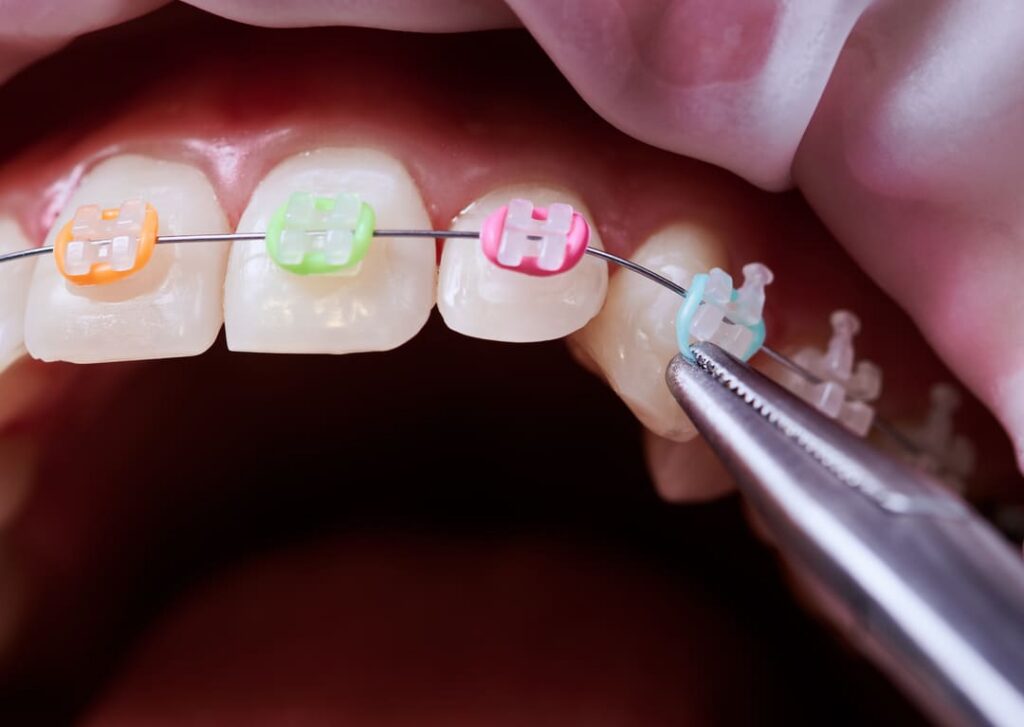
Correct placement and regular replacement keep elastics effective. Follow your orthodontist’s diagram and practice the placement steps at home until it feels easy.
What Is the Recommended Placement for Elastic Bands on Braces?
Most elastic patterns attach from a hook on an upper bracket to a hook on a lower bracket, creating the directional pull your orthodontist prescribes. Always follow the exact placement diagram your provider gives — small changes in positioning change the direction of force and the movement produced.
How Often Should Elastic Bands Be Replaced and Maintained?
Replace elastics every 12 to 24 hours, or sooner if they look stretched or worn. Old bands lose tension and won’t deliver the force your treatment needs. Inspect them daily and keep a fresh supply on hand so you can replace them immediately when needed.
What Are the Key Benefits of Using Braces Elastic Bands?
Dental braces elastic bands (elastics) add controlled, directional force that helps achieve precise bite correction and tooth movement that brackets and wires alone cannot always manage. By guiding jaw alignment and improving occlusion, elastics enhance overall treatment efficiency and long-term stability.
How Do Elastic Bands Improve Orthodontic Treatment Effectiveness?
By applying focused force, elastics speed up certain tooth movements and make outcomes more predictable. That precision helps your orthodontist finish complex corrections more efficiently, often shortening the overall treatment timeline when used correctly.
What Comfort and Material Innovations Enhance Patient Experience?
Modern elastics are softer and more flexible than older varieties, which reduces soreness for many patients. Non-latex options are widely available for anyone with sensitivities, and manufacturers continue to improve comfort without sacrificing performance.
How Long Should You Wear Braces Rubber Bands Daily and Overall?
How long you wear elastics matters more than the exact type you use. Consistency is what produces results.
What Is the Recommended Daily Wear Time for Optimal Results?
Most patients should wear elastics nearly full-time — about 20 to 22 hours a day — removing them only to eat, brush, and floss. Keeping them on during the day and night maintains steady pressure on your teeth, which is essential for efficient movement.
How Does Wear Duration Impact Treatment Progress and Outcomes?
Wearing bands less than prescribed slows progress and can extend treatment. Regular, correct wear helps you reach your treatment goals faster and reduces the chance of setbacks.
What Side Effects and Care Tips Should Patients Know About Braces Elastic Bands?
Dental braces elastic bands (elastics) are safe for most patients, but understanding proper use, potential side effects, and simple care steps helps keep treatment on track and ensures consistent progress toward your orthodontic goals.
What Common Side Effects Can Occur and How to Manage Them?
You may feel mild soreness or tenderness when you first start wearing elastics or after changes. This usually eases in a few days. Over-the-counter pain relievers and soft foods can help during the adjustment period. If pain is severe or persistent, contact your orthodontist for advice.
How to Properly Care for and Handle Elastic Bands to Ensure Effectiveness?
Always handle elastics with clean hands and store unused bands in a dry, clean container. Replace bands promptly when they lose elasticity, and avoid touching them unnecessarily to prevent contamination. These simple steps preserve the bands’ strength and hygiene.
Conclusion
Elastic bands are a small but powerful part of many orthodontic treatment plans at Smiles By Design Orthodontics under the guidance of Dr. Austin Rahaim. Worn correctly and consistently, they help achieve precise tooth alignment and bite corrections that braces alone cannot accomplish. Follow Dr. Rahaim’s instructions for proper placement and wear time, care for your elastics as directed, and attend all scheduled appointments — together, these steps ensure optimal treatment progress and a healthier, more confident smile. If you have questions, Dr. Rahaim and our team are here to help.
For more information about our practice, please contact us at (228) 400-2100 for our D’Iberville location or at (228) 467-2211 for our Bay St. Louis location. If you have any questions or would like to schedule a consultation, please reach out to our team today.
Frequently Asked Questions
What Should I Do If I Forget to Wear My Elastic Bands?
If you forget, put them back on as soon as you can. If they’ve been off for a long stretch, reintroduce them gradually to avoid sudden soreness, and tell your orthodontist at your next visit so they can advise how to proceed.
Can I Eat with My Elastic Bands On?
It’s best to remove elastics while you eat to prevent damage and contamination, then replace them after brushing. Removing them during meals also makes chewing easier and more comfortable.
How Can I Manage Discomfort from Wearing Elastic Bands?
Mild discomfort is normal at first. Over-the-counter pain relievers, eating soft foods, and using a cold compress can help. If discomfort doesn’t improve or is severe, contact your orthodontist — they can check the fit and make adjustments if needed.
Are There Any Activities I Should Avoid While Wearing Elastic Bands?
Avoid actions likely to snap or dislodge bands, and use a mouthguard for contact sports. If you have specific hobbies or needs, ask your orthodontist for tailored advice so you can stay active without interrupting treatment.
How Do I Know If My Elastic Bands Are Working Effectively?
Your orthodontist monitors progress at regular appointments. If your teeth are moving as planned and check-ups show expected changes, the elastics are doing their job. If you notice little progress or unusual pain, let your provider know.
What Should I Do If My Elastic Bands Break or Snap?
Replace a snapped band immediately if you have a spare. If you don’t, contact your orthodontist for guidance. Keeping replacement bands with you — at home, school, or work — helps you maintain consistent wear.