
Dental braces before and after results show how orthodontic treatment can straighten teeth, correct bite issues, and improve overall smile aesthetics. Patients typically see noticeable changes over months, with full results achieved once the treatment plan is completed.
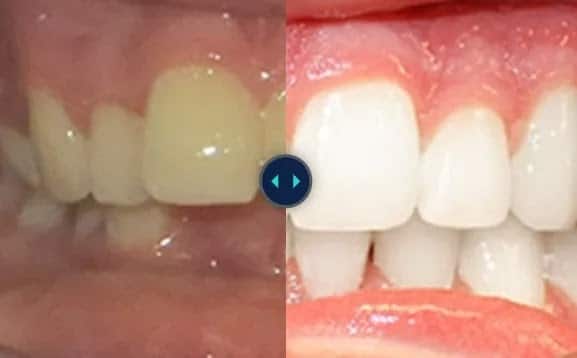
Braces have changed thousands of smiles — and the before-and-after photos at Smiles By Design Orthodontics make that clear. This guide breaks down the most common types of braces, the benefits they deliver, typical treatment timelines, and how to keep results looking great long-term.
Whether you’re weighing metal, ceramic, or accelerated options, the visual examples and practical tips here will help you make a confident decision. We’ll compare discreet and traditional choices, explain what adults can expect, and outline the steps to maintain your new smile.
What Types of Dental Braces Show the Most Dramatic Before and After Results?
Braces come in several styles, each with distinct strengths. The ones you’ll see most often in dental braces before and after transformation photos are metal braces, ceramic (clear) braces, and accelerated orthodontic methods.
Metal braces are the long-standing workhorses for more complex corrections —strong, reliable, and predictable. Ceramic or clear options use tooth-colored materials to blend in and reduce visibility, which many adults and teens prefer. Accelerated orthodontics focuses on shortening treatment time through adjunctive techniques, helping people reach their goals faster when appropriate.
Choosing the right system affects comfort, appearance, and timing, so it’s important to talk with an orthodontist to find the best fit for your needs.
How Do Clear Braces Compare to Traditional Braces?
In photos, clear braces often look noticeably less visible than metal braces. Ceramic brackets and clear materials are designed to match tooth color, which makes the overall treatment look subtler in dental braces before-and-after images —a major appeal for image-conscious patients.
At Smiles By Design Orthodontics, traditional metal braces remain a top choice for complex movements because they deliver consistent force and control. In many transformation galleries, you’ll see both systems produce excellent results —the difference is often how visible the hardware is during treatment, rather than the final outcome.
What Are the Benefits of Adult Braces?
Before-and-after photos of adult patients, including dental braces before and after, often illustrate several clear benefits:
- Improved oral health: Straighter teeth are easier to clean, which lowers the risk of cavities and gum issues.
- Better bite function: Correcting alignment can reduce jaw strain and improve chewing efficiency.
- Greater confidence: A straighter smile often boosts self-esteem, which shows up plainly in after photos.
For adults considering braces, these visual success stories can be a strong motivator to start treatment.
Benefits of Adult Braces
| Benefit | Description | Visual Impact |
|---|---|---|
| Improved Oral Health | Easier home care and lower risk of decay | After photos often show cleaner, healthier-looking teeth |
| Enhanced Bite Function | Reduced jaw pain and better chewing alignment | Transformation images highlight the corrected bite and symmetry |
| Boosted Confidence | Stronger self-image following treatment | After photos show more relaxed, genuine smiles |
What Is the Typical Treatment Timeline for Visible Teeth Straightening Results?
Timelines vary by case and appliance, but a common range for visible progress is 12–24 months.
Many patients notice a meaningful change in the first 6–12 months as teeth begin to move into new positions. Regular checkups let your orthodontist monitor progress and fine-tune treatment so results stay on track. Knowing the typical timeline helps set realistic expectations before you begin.
What Are the Stages of Orthodontic Treatment and Their Visual Impact?
Treatment typically unfolds in clear stages, each with its own visual milestones.
- Initial evaluation and planning: We take records, map goals, and create a personalized plan — this sets the baseline you’ll compare later photos to.
- Active treatment phase: Brackets or aligners are in place, and you’ll begin to see gradual shifts toward the desired alignment.
- Retention phase: After appliances come off, retainers keep teeth stable —this stage preserves the long-term results you see in after photos.
Together, these stages tell the visual story from the first visit through the finished smile.
How Long Does It Take to See Noticeable Changes in Braces Before and After Photos?
Most patients see noticeable changes within 6–12 months, depending on complexity and appliance type.
Early shifts — small but visible — are encouraging and often spur patients to stay committed. As treatment continues, transformations become more dramatic, and before-and-after photos clearly demonstrate the progress toward a healthy, aligned smile.
What are the Best Maintenance and Care Tips to preserve the results of braces?
Keeping your results starts the day your braces come off. Key habits include:
- Wear retainers as prescribed: Retainers are essential to prevent relapse.
- Maintain excellent oral hygiene: Brush, floss, and see your dentist regularly to protect your investment.
- Avoid hard or sticky foods: These can damage appliances and threaten alignment during treatment.
Stick to these basics, and your new smile will remain strong for years.
How Does Proper Retainer Usage Affect Long-Term Teeth Alignment?
Retainers stop teeth from drifting back toward their original positions. Wearing them as directed is the single most important step to preserve your alignment after braces.
Your orthodontist will recommend a wear schedule tailored to your case —following it closely greatly increases the chances that your results remain stable over time.
What Pain Management Strategies Help During and After Braces Treatment?
Comfort strategies can make a big difference. Effective options include:
- Over-the-counter pain relievers: Ibuprofen or acetaminophen can ease soreness after adjustments.
- Warm or cold compresses: These can soothe gums and reduce inflammation.
- Soft foods: Choose gentle, easy-to-chew options during initial adjustment periods.
Using these approaches helps most patients manage discomfort while treatment progresses.
What Are the Common Questions About Cost, Pain, and Effectiveness of Braces?
Patients commonly ask about price, discomfort, and results. Here’s a quick overview:
- Cost variations: Prices depend on the appliance, case complexity, and location; typical U.S. ranges often fall between $5,000 and $7,000.
- Pain management: Mild discomfort is normal, but it’s usually temporary and manageable with common remedies.
- Effectiveness: Braces remain a highly reliable method for correcting misalignments and improving oral health.
Getting an individualized estimate and plan from your orthodontist is the best way to answer these questions for your situation.
How Much Do Different Types of Braces Cost, and Are They Worth It?
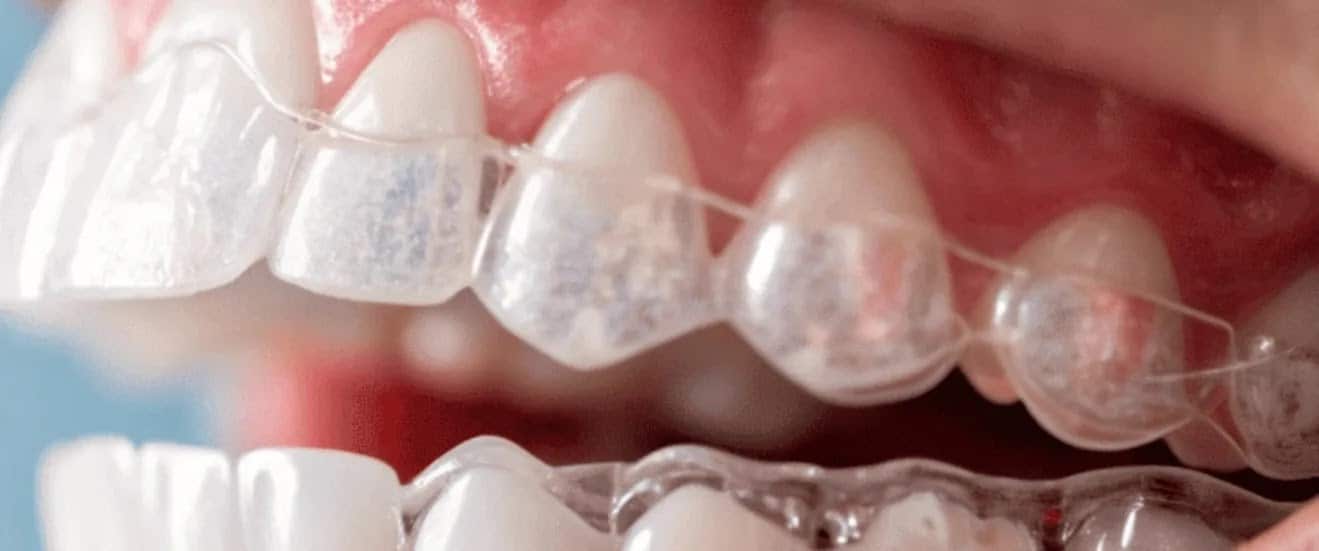
Costs vary: metal braces are typically most affordable, while ceramic systems and accelerated approaches can cost more. Consider the long-term benefits — improved oral health, function, and confidence — when evaluating value. For many patients, the lifetime payoff makes orthodontic treatment a worthwhile investment.
Do Braces Hurt, and How Is Pain Managed Throughout Treatment?
Some soreness is common, especially after adjustments, but most patients find it tolerable and short‑lived. Over-the-counter pain relievers, compresses, and diet adjustments usually keep discomfort under control. Understanding this ahead of time helps patients feel prepared for the process.
Conclusion
Orthodontic treatment at Smiles By Design Orthodontics, led by Dr. Austin Rahaim, can deliver meaningful improvements in health, function, and confidence. By understanding the different types of braces, realistic timelines, and essential aftercare steps, you can choose the approach that fits your goals. Schedule a consultation today with Dr. Rahaim to review your options and start your journey toward a smile you’ll be proud to show!
Frequently Asked Questions
What Factors Influence the Cost of Orthodontic Treatment?
Cost depends on the type of appliance, how complex your case is, and how long treatment takes. Metal braces usually cost less, while ceramic or accelerated options may be pricier. Your location and the orthodontist’s experience can also affect pricing. The best way to get an accurate estimate is a consultation with your orthodontist.
How Can I Prepare for My First Orthodontic Appointment?
Bring any recent dental records or X-rays if you have them, and write down questions or goals you want to discuss. Knowing what you hope to achieve helps your orthodontist recommend the right plan. Also, plan for follow-up visits when scheduling.
What Are the Common Misconceptions About Braces?
Common myths include that braces are only for kids, that they’re unbearably painful, or that they’re merely cosmetic. In reality, adults benefit from treatment, discomfort is manageable, and braces improve both function and aesthetics.
What Should I Expect During the Retention Phase After Braces?
After braces come off, retainers help hold teeth in place. Your orthodontist will tell you how often to wear them —from full-time initially to nighttime-only later. Regular checkups during retention ensure your results remain stable.
How Do Lifestyle Choices Affect Orthodontic Treatment Outcomes?
Good oral hygiene and healthy habits support better outcomes. Smoking, frequent sugary snacks, or poor brushing can complicate treatment. Avoiding hard or sticky foods protects appliances. Small lifestyle changes can make a big difference in results.
What Are the Psychological Benefits of Orthodontic Treatment?
Beyond appearance, many patients report higher self-esteem and greater social confidence after treatment. Achieving a smile you’re proud of can reduce anxiety about appearance and improve overall well‑being.