
Choosing orthodontic treatment is rarely a one size fits all decision. Patients often assume that all braces work the same way, but in reality, different braces options are designed to address different needs. Your bite pattern, your age, and what you want from treatment all influence which approach is likely to be most effective.
Understanding how orthodontists evaluate bite issues and match them to the right approach helps patients feel confident from the start. The “best” choice isn’t just about looks. It’s about function, comfort, predictability, and results that hold up after treatment ends.
This article explains how braces options are compared based on bite concerns, age-related factors, and personal treatment goals, so patients understand why a professional evaluation matters before deciding.
How Bite Problems Shape the Treatment Approach
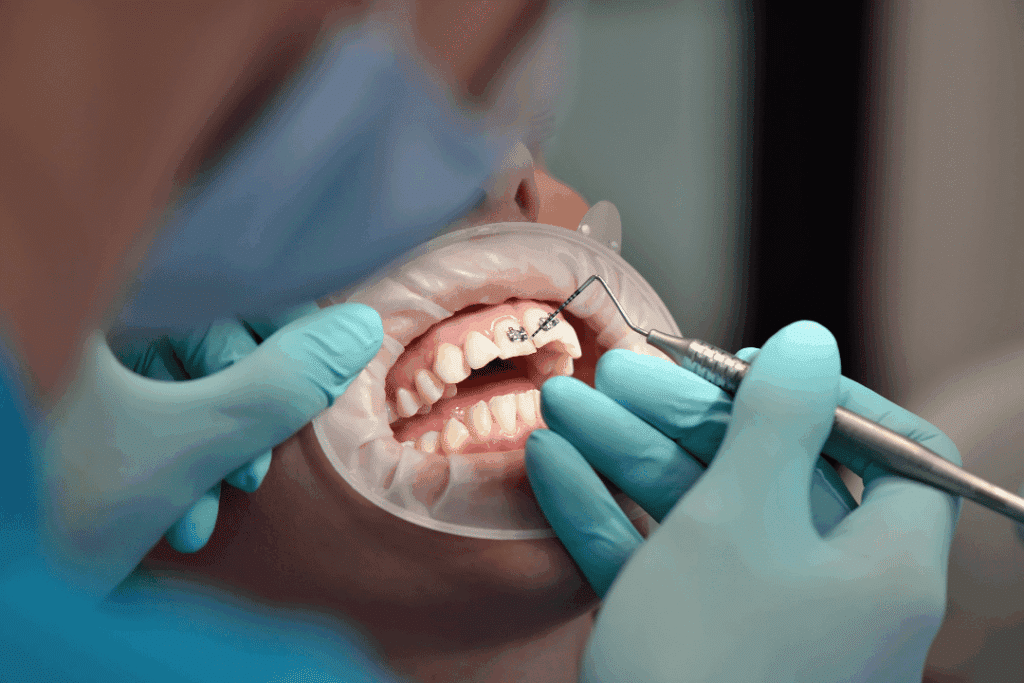
Bite alignment is one of the biggest factors in orthodontic planning. When the upper and lower teeth don’t meet correctly, it can affect chewing, speech clarity, and even long-term wear on the enamel. That’s why an orthodontist starts by identifying what’s happening with the bite before recommending a specific appliance.
Common bite patterns include:
- Overbite: upper front teeth overlap too far over the lowers
- Underbite: lower front teeth sit in front of the uppers
- Crossbite: some upper teeth bite inside the lower teeth
- Open bite: front teeth don’t touch when the back teeth close
Each pattern can involve different movement needs: vertical changes, side-to-side expansion, rotation control, or coordinated movement across multiple teeth. That’s why two patients can both “need braces,” but require very different strategies.
When orthodontists evaluate bite issues, they also consider jaw relationship, tooth size-to-arch size, and whether crowding or spacing is contributing to the problem. The goal is to choose a system that can deliver the type of control the bite requires, not just straighten the front teeth.
Comparing Treatment Types by Age: Kids, Teens, and Adults
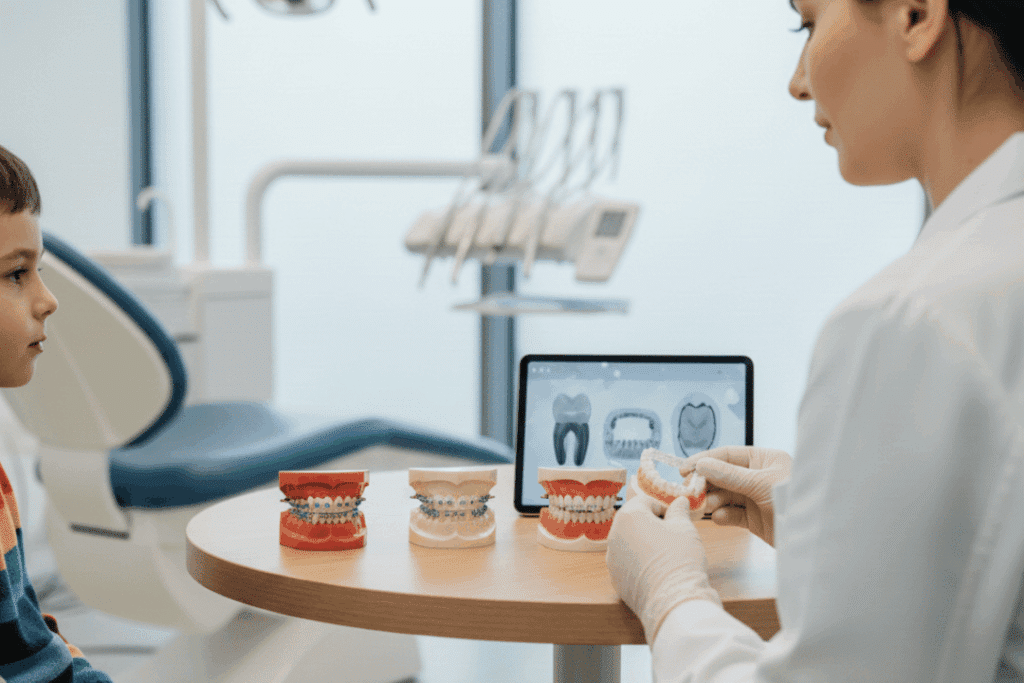
Age matters in orthodontics because the jaws and supporting bone change over time. Teeth can move at any age, but planning is different when a patient is still growing versus fully developed.
Children (early orthodontic evaluations):
For younger patients, orthodontists often focus on guiding growth and making space for permanent teeth. In some cases, early intervention reduces the severity of problems later. The aim isn’t always to “finish” treatment immediately, but to set up better conditions for alignment and stability.
Teens:
Teenagers are often ideal candidates for comprehensive treatment because many permanent teeth are in place and growth can still be used strategically. Compliance (like wearing elastics as instructed) becomes an important factor. Choices may prioritize durability, efficiency, and the ability to correct bite relationships while growth is still active.
Adults:
Adults can achieve excellent outcomes, but planning often emphasizes precision and comfort. Adults may also have existing dental work (crowns, veneers), gum considerations, or a history of shifting teeth. Treatment is built around controlled movement and long-term retention.
Comparing braces options by age helps ensure the approach aligns with biology, lifestyle, and the patient’s timeline expectations.
Matching the Appliance to Your Treatment Goals
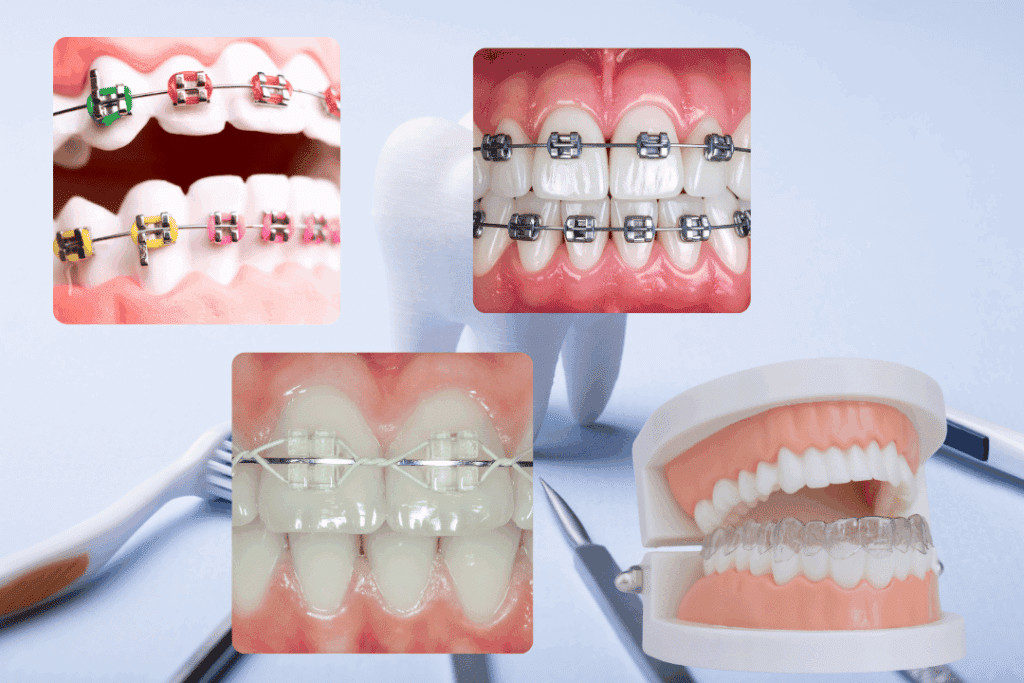
Patients come into orthodontic care with different priorities. Some want a straighter smile for photos or confidence. Others want better chewing function or relief from uneven wear. These treatment goals influence which approach makes sense.
Common priorities include:
- Appearance: wanting a less noticeable option
- Efficiency: aiming for predictable progress with fewer surprises
- Comfort: reducing irritation and improving day-to-day wearability
- Bite correction: addressing functional issues, not just cosmetics
- Stability: aiming for results that don’t relapse easily
When treatment goals are clear from the beginning, the orthodontist can recommend an approach that fits the patient’s priorities while still delivering a healthy, functional bite.
This is also where expectations matter. For example, “fastest” isn’t always the best metric if the bite is complex. A stable result usually requires careful sequencing, steady adjustments, and retention after treatment.
What “Comparing Braces Options” Really Means in Practice
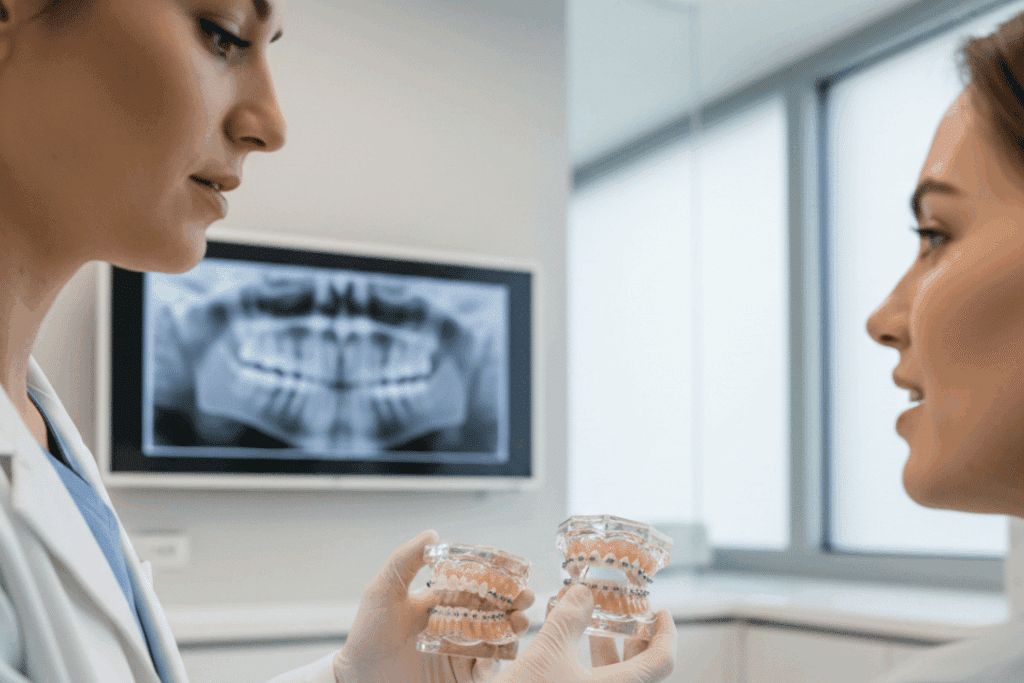
Patients often picture this decision as choosing between “metal vs clear,” but the comparison is usually more detailed. Orthodontists evaluate how each system handles:
- rotation control (turning teeth into position)
- crowding relief (creating space and aligning arches)
- bite correction (coordinating top and bottom teeth)
- predictability (how reliably teeth track to the plan)
- appointment cadence (how often adjustments are needed)
This is why the same approach isn’t recommended for everyone. Some cases require stronger control to correct bite relationships. Others can prioritize lower visibility. In many cases, the “best” option is the one that balances control, comfort, and the patient’s timeline.
When orthodontists compare braces options, they’re really comparing how each choice performs for that specific bite pattern and set of priorities.
| Decision Factor | Traditional Metal Braces | Ceramic (Clear) Braces | Clear Aligners |
|---|---|---|---|
| Best for Bite Issues | Moderate to complex bite problems (overbite, underbite, crossbite, open bite) | Similar bite issues as metal braces, with slightly more aesthetic appeal | Mild to moderate alignment and bite concerns |
| Level of Control | Highest level of control for tooth movement and bite correction | Strong control, but slightly less durable than metal | Limited control for complex bite corrections |
| Age Suitability | Kids, teens, and adults | Teens and adults | Teens and adults (requires strong compliance) |
| Visibility | Most noticeable | Less noticeable than metal | Nearly invisible |
| Compliance Required | Low (always working) | Low (always working) | High (must be worn as prescribed) |
| Treatment Predictability | Very predictable for complex cases | Predictable with proper care | Depends heavily on patient wear consistency |
| Comfort Considerations | Can cause initial irritation | Similar feel to metal braces | Generally smoother and more comfortable |
| Best for Treatment Goals | Functional bite correction and long-term stability | Balance of aesthetics and performance | Discreet appearance and convenience |
Why Professional Evaluation Makes the Difference
Online quizzes and “what type of braces should I get” articles can be helpful for basic education, but they can’t replace a clinical evaluation. Orthodontists evaluate:
- bite relationship and jaw alignment
- tooth position, spacing, and crowding
- wear patterns, gum health, and stability factors
- lifestyle considerations that affect compliance
This evaluation also helps identify what might complicate treatment, such as severe crowding, jaw imbalances, or bite patterns that require coordinated correction across multiple teeth.
When orthodontists assess bite issues, they can determine how much correction is needed, what kind of control is required, and whether treatment should be staged. That’s how they choose an approach that is safe, effective, and stable.
How Smiles by Design Orthodontics Personalizes Your Plan
Smiles by Design Orthodontics takes a patient-first approach that starts with a thorough evaluation and clear communication. The team considers bite alignment, age-related factors, and what matters most to the patient before recommending a path forward.
Instead of pushing a single “best” option for everyone, the practice helps patients understand how different approaches fit their needs. That includes discussing comfort, appearance, expected appointment schedule, and what retention may look like after treatment.
By building a plan around the patient’s treatment goals, Smiles by Design Orthodontics helps ensure the result is not only attractive, but functional and stable long-term.
Schedule a Consultation With Smiles by Design Orthodontics
Choosing the right orthodontic treatment starts with a professional evaluation. Dr. Austin Rahaim, orthodontist at Smiles by Design Orthodontics, provides personalized care based on your bite, age, and long-term treatment goals.
At the Smiles by Design Orthodontics clinic in D’Iberville, MS, patients receive a comprehensive orthodontic assessment that goes beyond straightening teeth. Dr. Rahaim evaluates bite alignment, jaw relationships, and stability factors to recommend an approach that supports both function and lasting results.
Schedule a consultation today to take the next step toward a healthier, well-aligned smile.