
Comparing Braces Options Based on Bite Issues, Age, and Treatment Goals
Choosing orthodontic treatment is rarely a one size fits all decision. Patients often assume that all braces work the same […]
Choosing orthodontic treatment is rarely a one size fits all decision. Patients often assume that all braces work the same […]
Bayview Orthodontics is now
Smiles by Design Orthodontics – Bay St. Louis.
Same team, same great care — new name.
D’Iberville Office
Bay St. Louis Office
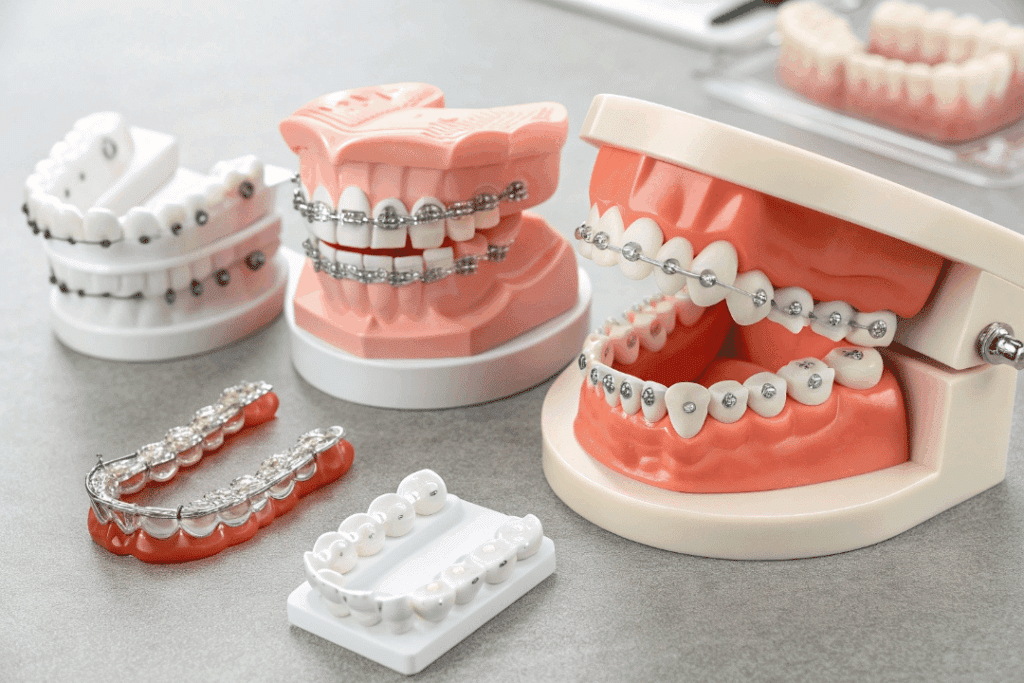
There are several types of braces available today, each designed to address specific orthodontic needs. Traditional metal braces, ceramic braces, lingual braces, and clear aligners like Invisalign are among the most popular options. Understanding the differences between these types can help patients make informed decisions about their treatment.
For example, traditional metal braces are often the most effective for complex cases, while ceramic braces offer a more aesthetic option for those concerned about appearance. Lingual braces are placed behind the teeth for a discreet look, and clear aligners provide flexibility and comfort for mild to moderate orthodontic issues.
When selecting the right braces, several factors come into play, including the severity of the dental issue, lifestyle preferences, and budget. Patients should consider their specific needs and consult with their orthodontist to determine which option aligns best with their treatment goals.
For instance, active individuals may prefer clear aligners due to their removability, while those with more significant bite issues might require the stability of traditional braces. Additionally, the cost of treatment can vary widely, making it essential to evaluate insurance coverage and financing options.
The journey to a straighter smile begins with an initial consultation, where an orthodontist evaluates the patient's dental condition and discusses potential treatment plans. This process typically includes X-rays, photographs, and impressions to create a tailored approach for each individual.
Once a treatment plan is established, the actual application of braces involves bonding brackets to the teeth and threading wires through them. Regular follow-up appointments are necessary to adjust the braces and monitor progress, ensuring that the treatment stays on track and is effective.
Good oral hygiene is crucial for patients with braces, as food particles and plaque can accumulate around the brackets and wires, leading to potential dental issues. It's essential to adopt a thorough brushing and flossing routine to keep teeth and gums healthy during treatment.
Orthodontic patients should use a soft-bristled toothbrush and fluoride toothpaste, along with special flossing tools designed for braces. Rinsing with an antibacterial mouthwash can also help reduce plaque buildup and maintain oral health throughout the duration of the treatment.
There are several types of braces available today, each designed to address specific orthodontic needs. Traditional metal braces, ceramic braces, lingual braces, and clear aligners like Invisalign are among the most popular options. Understanding the differences between these types can help patients make informed decisions about their treatment.
For example, traditional metal braces are often the most effective for complex cases, while ceramic braces offer a more aesthetic option for those concerned about appearance. Lingual braces are placed behind the teeth for a discreet look, and clear aligners provide flexibility and comfort for mild to moderate orthodontic issues.
When selecting the right braces, several factors come into play, including the severity of the dental issue, lifestyle preferences, and budget. Patients should consider their specific needs and consult with their orthodontist to determine which option aligns best with their treatment goals.
For instance, active individuals may prefer clear aligners due to their removability, while those with more significant bite issues might require the stability of traditional braces. Additionally, the cost of treatment can vary widely, making it essential to evaluate insurance coverage and financing options.
The journey to a straighter smile begins with an initial consultation, where an orthodontist evaluates the patient's dental condition and discusses potential treatment plans. This process typically includes X-rays, photographs, and impressions to create a tailored approach for each individual.
Once a treatment plan is established, the actual application of braces involves bonding brackets to the teeth and threading wires through them. Regular follow-up appointments are necessary to adjust the braces and monitor progress, ensuring that the treatment stays on track and is effective.
Good oral hygiene is crucial for patients with braces, as food particles and plaque can accumulate around the brackets and wires, leading to potential dental issues. It's essential to adopt a thorough brushing and flossing routine to keep teeth and gums healthy during treatment.
Orthodontic patients should use a soft-bristled toothbrush and fluoride toothpaste, along with special flossing tools designed for braces. Rinsing with an antibacterial mouthwash can also help reduce plaque buildup and maintain oral health throughout the duration of the treatment.