
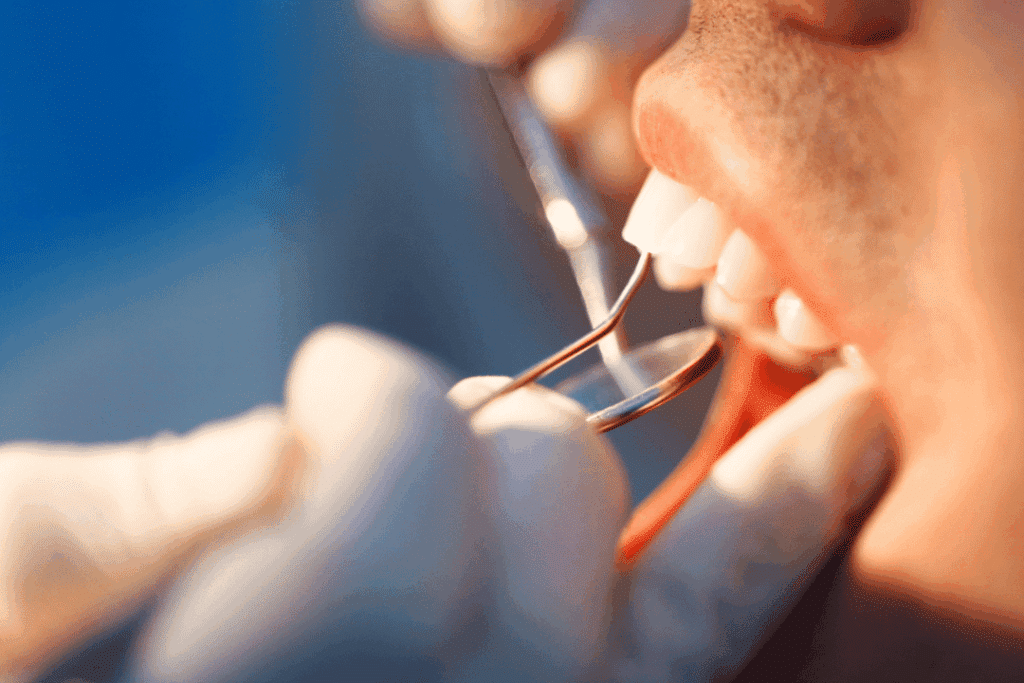
How Orthodontic Braces Apply Controlled Force to Move Teeth
Many patients begin orthodontic treatment without fully understanding what’s actually happening inside their mouth. While brackets and wires are easy […]
Many patients begin orthodontic treatment without fully understanding what’s actually happening inside their mouth. While brackets and wires are easy […]
Bayview Orthodontics is now
Smiles by Design Orthodontics – Bay St. Louis.
Same team, same great care — new name.
D’Iberville Office
Bay St. Louis Office
Braces function by applying continuous pressure to the teeth over time, gradually moving them into the desired position. This process involves the use of brackets, wires, and sometimes elastic bands, which work together to exert controlled force on the teeth.
For instance, the brackets are bonded to the teeth and connected by a wire that runs through them. As the wire is tightened, it creates tension that encourages the teeth to shift. Regular adjustments by an orthodontist are essential to ensure that the pressure remains effective throughout the treatment period.
Orthodontic treatment offers numerous benefits beyond just cosmetic improvements. Properly aligned teeth enhance oral health by making it easier to clean, reducing the risk of cavities and gum disease.
Moreover, straight teeth can improve bite function and alleviate issues such as jaw pain and discomfort. Patients often experience increased self-esteem and confidence as their smiles improve, making orthodontic care a valuable investment in overall well-being.
Embarking on orthodontic treatment involves several stages, starting with an initial consultation where the orthodontist evaluates your dental needs. This assessment may include X-rays and impressions to create a personalized treatment plan.
Once treatment begins, regular visits are scheduled for adjustments and monitoring progress. Patients can expect to wear braces for a period that typically ranges from several months to a few years, depending on the complexity of their case.
After braces are removed, a retention phase is crucial to ensure that teeth remain in their new positions. Orthodontists typically provide retainers, which may be fixed or removable, to help maintain alignment.
It's important for patients to follow their orthodontist's instructions regarding retainer wear to avoid any relapse. Regular follow-up appointments may also be scheduled to monitor the stability of the teeth after treatment.
Braces function by applying continuous pressure to the teeth over time, gradually moving them into the desired position. This process involves the use of brackets, wires, and sometimes elastic bands, which work together to exert controlled force on the teeth.
For instance, the brackets are bonded to the teeth and connected by a wire that runs through them. As the wire is tightened, it creates tension that encourages the teeth to shift. Regular adjustments by an orthodontist are essential to ensure that the pressure remains effective throughout the treatment period.
Orthodontic treatment offers numerous benefits beyond just cosmetic improvements. Properly aligned teeth enhance oral health by making it easier to clean, reducing the risk of cavities and gum disease.
Moreover, straight teeth can improve bite function and alleviate issues such as jaw pain and discomfort. Patients often experience increased self-esteem and confidence as their smiles improve, making orthodontic care a valuable investment in overall well-being.
Embarking on orthodontic treatment involves several stages, starting with an initial consultation where the orthodontist evaluates your dental needs. This assessment may include X-rays and impressions to create a personalized treatment plan.
Once treatment begins, regular visits are scheduled for adjustments and monitoring progress. Patients can expect to wear braces for a period that typically ranges from several months to a few years, depending on the complexity of their case.
After braces are removed, a retention phase is crucial to ensure that teeth remain in their new positions. Orthodontists typically provide retainers, which may be fixed or removable, to help maintain alignment.
It's important for patients to follow their orthodontist's instructions regarding retainer wear to avoid any relapse. Regular follow-up appointments may also be scheduled to monitor the stability of the teeth after treatment.