
From Imaging to Simulation: How Modern Orthodontic Technology Predicts Your Smile Outcome
The world of orthodontic technology has transformed dramatically over the past decade, giving patients a level of clarity and confidence […]
The world of orthodontic technology has transformed dramatically over the past decade, giving patients a level of clarity and confidence […]
Bayview Orthodontics is now
Smiles by Design Orthodontics – Bay St. Louis.
Same team, same great care — new name.
D’Iberville Office
Bay St. Louis Office
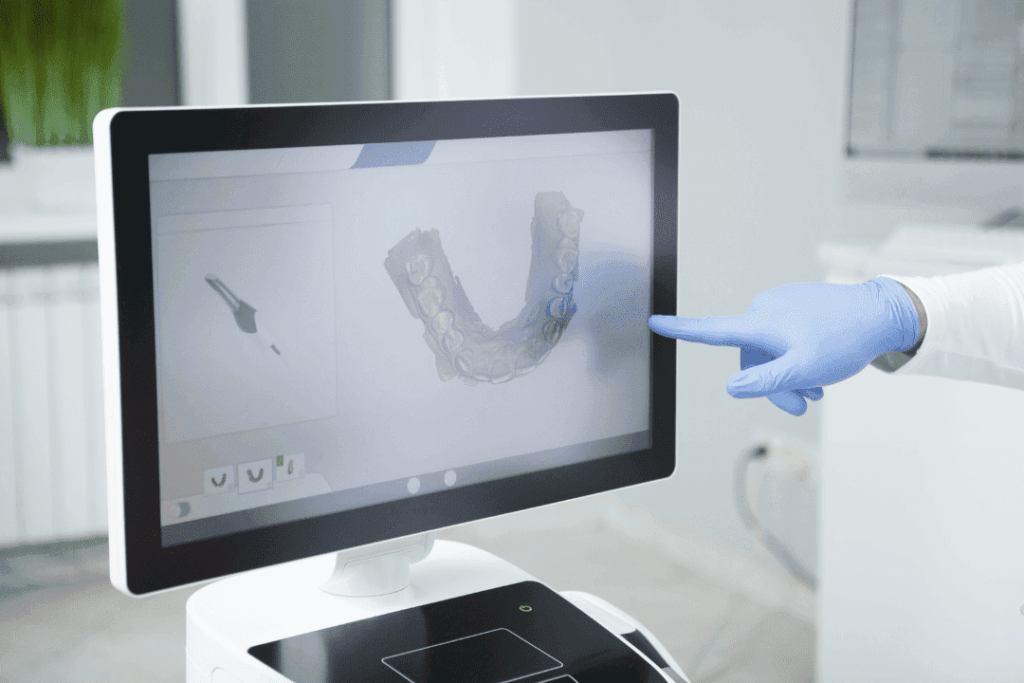
Modern orthodontic technology encompasses a range of innovative tools and techniques that enhance the accuracy and effectiveness of treatment. These advancements include 3D imaging, digital scanning, and computer-aided design, which collectively allow orthodontists to create precise treatment plans tailored to each patient's unique dental structure.
For instance, 3D imaging provides a comprehensive view of the patient's teeth and jaws, enabling orthodontists to visualize the end results before starting treatment. Digital scanning replaces traditional molds, offering a more comfortable experience for patients while ensuring accurate impressions, which are crucial for effective treatment outcomes.
Advanced orthodontic treatments offer numerous benefits, including shorter treatment times, improved comfort, and enhanced aesthetic outcomes. Technologies such as clear aligners and self-ligating braces are designed to reduce friction and discomfort during the alignment process, making the experience more pleasant for patients.
Moreover, these treatments often yield faster results compared to traditional braces. For example, patients using clear aligners can expect to see noticeable improvements in their smile within a few months, while self-ligating braces can adjust more efficiently, leading to quicker overall treatment durations.
Selecting the appropriate orthodontic treatment depends on various factors, including the severity of dental issues, patient lifestyle, and aesthetic preferences. An initial consultation with an orthodontist is essential to evaluate these factors and determine the best course of action for achieving the desired smile.
During this consultation, patients can discuss their goals and preferences, allowing the orthodontist to recommend suitable options such as traditional braces, clear aligners, or other advanced treatments. This personalized approach ensures that patients receive tailored care that aligns with their specific needs and expectations.
Embarking on an orthodontic journey involves several stages, from the initial consultation to the final results. Patients can expect a thorough evaluation of their dental health, followed by the development of a customized treatment plan that outlines the steps involved in achieving their ideal smile.
Throughout the process, regular follow-up appointments will be necessary to monitor progress and make any adjustments as needed. Additionally, patients will receive guidance on maintaining oral hygiene and caring for their braces or aligners to ensure the best possible outcomes during their treatment.
Modern orthodontic technology encompasses a range of innovative tools and techniques that enhance the accuracy and effectiveness of treatment. These advancements include 3D imaging, digital scanning, and computer-aided design, which collectively allow orthodontists to create precise treatment plans tailored to each patient's unique dental structure.
For instance, 3D imaging provides a comprehensive view of the patient's teeth and jaws, enabling orthodontists to visualize the end results before starting treatment. Digital scanning replaces traditional molds, offering a more comfortable experience for patients while ensuring accurate impressions, which are crucial for effective treatment outcomes.
Advanced orthodontic treatments offer numerous benefits, including shorter treatment times, improved comfort, and enhanced aesthetic outcomes. Technologies such as clear aligners and self-ligating braces are designed to reduce friction and discomfort during the alignment process, making the experience more pleasant for patients.
Moreover, these treatments often yield faster results compared to traditional braces. For example, patients using clear aligners can expect to see noticeable improvements in their smile within a few months, while self-ligating braces can adjust more efficiently, leading to quicker overall treatment durations.
Selecting the appropriate orthodontic treatment depends on various factors, including the severity of dental issues, patient lifestyle, and aesthetic preferences. An initial consultation with an orthodontist is essential to evaluate these factors and determine the best course of action for achieving the desired smile.
During this consultation, patients can discuss their goals and preferences, allowing the orthodontist to recommend suitable options such as traditional braces, clear aligners, or other advanced treatments. This personalized approach ensures that patients receive tailored care that aligns with their specific needs and expectations.
Embarking on an orthodontic journey involves several stages, from the initial consultation to the final results. Patients can expect a thorough evaluation of their dental health, followed by the development of a customized treatment plan that outlines the steps involved in achieving their ideal smile.
Throughout the process, regular follow-up appointments will be necessary to monitor progress and make any adjustments as needed. Additionally, patients will receive guidance on maintaining oral hygiene and caring for their braces or aligners to ensure the best possible outcomes during their treatment.