
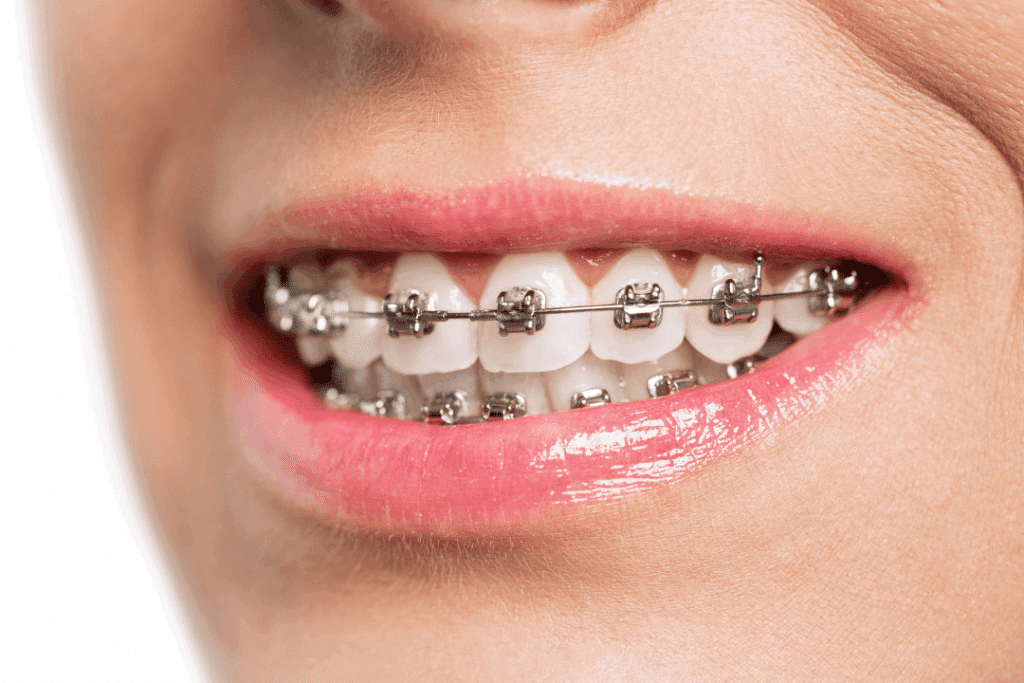
How to Sleep Comfortably After Getting Braces: Tips & Remedies
The first few nights after getting braces can feel a little uncomfortable. Your teeth are adjusting, your gums may feel […]
The first few nights after getting braces can feel a little uncomfortable. Your teeth are adjusting, your gums may feel […]
Bayview Orthodontics is now
Smiles by Design Orthodontics – Bay St. Louis.
Same team, same great care — new name.
D’Iberville Office
Bay St. Louis Office
When you first get braces, it's common to experience discomfort as your teeth begin to shift into their new positions. This discomfort is usually most pronounced in the first few days after the braces are applied and can be attributed to the pressure exerted by the brackets and wires.
In addition to the initial discomfort, you may also experience soreness in your gums and cheeks as they adjust to the new appliances. Over-the-counter pain relievers, such as ibuprofen or acetaminophen, can help alleviate this discomfort. It's important to follow the dosage instructions and consult with your orthodontist if the pain persists.
Getting a good night's sleep can be challenging when you have braces. To improve your comfort while sleeping, consider using soft pillows and sleeping on your back, which can help reduce pressure on your mouth and teeth.
Additionally, maintaining a consistent bedtime routine can help you relax before sleep. If you find that your braces are causing significant discomfort, try using a warm compress on your jaw or practicing relaxation techniques such as deep breathing to ease tension.
After getting braces, it's essential to be mindful of your diet to avoid damaging your new orthodontic appliances. Hard, sticky, or chewy foods can lead to broken brackets or wires, which can prolong your treatment time.
Examples of foods to avoid include hard candies, popcorn, gum, and crunchy vegetables. Instead, opt for softer food options like yogurt, mashed potatoes, and smoothies, which can be easier to eat while your mouth adjusts to braces.
Once your braces are removed, maintaining your new smile is crucial. Your orthodontist will likely provide you with a retainer to help keep your teeth in their new positions. It's important to wear your retainer as directed to prevent any shifting of your teeth.
In addition to wearing a retainer, maintaining good oral hygiene practices, such as regular brushing and flossing, is essential for keeping your teeth healthy and your smile beautiful. Regular check-ups with your orthodontist will also help ensure that your teeth stay in alignment.